Bitumen Uses: A Comprehensive Guide
Bitumen uses are fundamental to modern infrastructure development, serving as a vital binder in road construction and a versatile component in numerous applications. Gulf Petro Vision L.L.C, a leading Omani supplier, provides a comprehensive range of bitumen grades tailored to meet diverse industry needs. This article details the properties, applications, and future outlook of this essential material.
Understanding the intrinsic properties of bitumen is essential for engineers who design durable pavements, waterproof membranes, and other infrastructure components. The way these properties are quantified directly influences the selection of a binder that meets specific performance criteria, from high‑temperature rutting resistance to low‑temperature cracking avoidance.

What fundamental physical properties define bitumen performance?
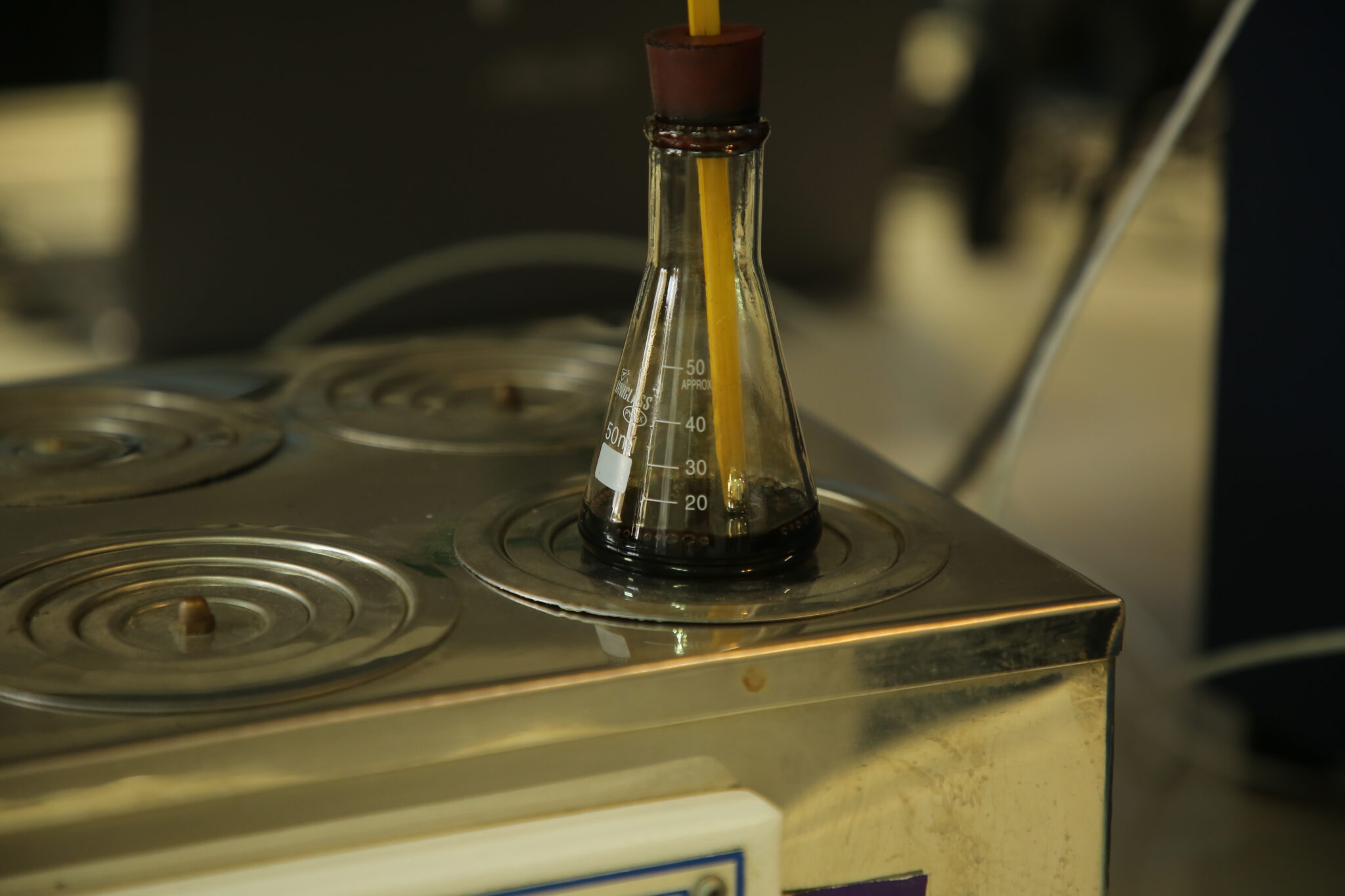
Viscosity measures flow resistance and is typically reported at 60 °C for hot‑mix applications. Penetration, expressed in 0.1 mm units, gauges hardness at 25 °C, while the softening point indicates the temperature at which the binder becomes pliable. Solubility tests, such as SARA analysis, reveal the aromatic, resin, and asphaltene fractions that control aging and adhesion. These parameters are obtained using standardized tests like the Ring‑and‑Ball (softening point), Penetration (ASTM D5), and Rotational Viscometer (ASTM D4402).
Viscosity decline with rising temperature illustrates the need for temperature‑adapted grades.
How do bitumen uses guide the choice of penetration and viscosity grades?
For hot‑mix road paving in hot climates, a high‑penetration (e.g., 80‑100) and low‑viscosity binder ensures workability and compaction. In contrast, cold regions demand low‑penetration (10‑20) grades with higher softening points to resist thermal cracking. The selection process mirrors the intended What is Bitumen? A Complete Guide framework, matching physical properties to service temperature ranges.
Why is temperature a critical factor in road paving with bitumen?
Temperature governs viscosity, directly affecting compaction effort and binder film thickness. Extreme heat can cause excessive flow, leading to rutting, whereas low temperatures increase brittleness, promoting fatigue cracking. Designers therefore specify a performance grade (PG) that combines high‑ and low‑temperature limits, ensuring the binder behaves predictably throughout seasonal cycles.
Which bitumen modification techniques 2025 enhance elasticity and cracking resistance?
Polymer modification (SBS, crumb rubber) and the addition of nano‑clay or bio‑based polymers improve low‑temperature flexibility while preserving high‑temperature stiffness. These modifications raise the complex modulus and reduce the phase angle, delivering a more elastic response under traffic loading.
How does asphalt differ from bitumen in typical applications?
“Asphalt” commonly refers to the composite mixture of aggregate and bitumen binder used for paving, whereas “bitumen” is the pure petroleum‑derived binder. Misconceptions arise when the terms are used interchangeably; however, their performance criteria are distinct—bitumen’s properties dictate the asphalt mix design, but the finished product’s durability depends on both components.
Bitumen remains the backbone of modern road construction, acting as the adhesive that unites aggregates into a resilient surface. Understanding each phase—from aggregate preparation to final surfacing—helps engineers select the optimal bitumen uses for specific traffic demands and environmental goals.

How is the road paving process structured when using bitumen?
First, aggregates are crushed, screened, and blended to achieve the required gradation. Next, the hot mix asphalt (HMA) plant heats the aggregates to 150‑180 °C before adding the bitumen binder, creating a homogenous mixture. For cold mix applications, a mineral filler and emulsified bitumen are mixed at ambient temperature, enabling rapid placement in low‑traffic or repair zones.
What role does the bitumen binder play in forming durable pavements?
The binder coats each aggregate particle, filling voids and providing cohesion under load. Its viscoelastic properties allow the pavement to flex under traffic, reducing cracking. Polymer‑modified bitumen (PMB) enhances stiffness and temperature resistance, making it indispensable for high‑traffic highways.
Which specialized bitumen emulsions are used for surface treatments?
Emulsified bitumen, a water‑based suspension, is sprayed as a seal coat, tack coat, or chip seal. These treatments improve surface texture, water resistance, and extend service life without the high temperatures required for HMA.
Adoption rates of traditional hot mix, warm mix, and recycled asphalt blends.
How do warm mix asphalt (WMA) and recycled asphalt pavement (RAP) innovate road construction?
WMA incorporates additives that lower production temperatures by 30‑50 °C, cutting fuel use and emissions. RAP reintroduces reclaimed asphalt into new mixes, conserving resources.
PROS
- Reduced carbon footprint
- Lower production costs
CONS
- Potential variability in stiffness
- Need for strict quality control
What safety protocols must be followed when handling bitumen on site?
Workers should wear heat‑resistant gloves, goggles, and protective clothing. Bitumen must be heated in closed, ventilated systems to prevent fumes. Regular temperature monitoring and spill containment kits are essential components of the What is Bitumen? A Complete Guide safety guidelines.
What does the future hold for bitumen in sustainable road infrastructure?
Emerging modification techniques in 2025—such as nano‑fibers and bio‑based polymers—promise higher durability with lower environmental impact. Combined with expanded RAP usage and real‑time performance monitoring, these advances will keep bitumen at the forefront of resilient, green highways.
Why expand bitumen uses beyond road paving?
While road paving with bitumen remains the backbone of modern transportation, the material’s intrinsic adhesive and impermeable qualities unlock a spectrum of bitumen applications across infrastructure. From safeguarding subterranean structures to creating resilient roofing membranes, extending bitumen uses reduces maintenance cycles and enhances long‑term performance.
How does bitumen provide waterproofing for foundations, tunnels, and reservoirs?
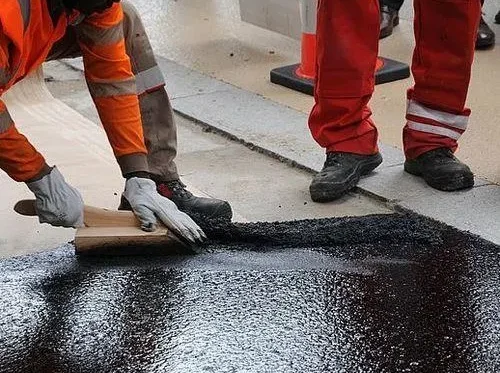
Bitumen’s viscoelastic nature creates a continuous, crack‑resistant barrier that repels water ingress. When applied as a hot‑applied membrane or cold mix, it bonds to concrete and rock, sealing joints and micro‑pores. This makes it ideal for protecting foundations, underground tunnels, and water‑holding reservoirs against moisture‑induced deterioration.
What advantages does bitumen bring to roofing systems?
Built‑up roofing (BUR) and modified‑bitumen membranes leverage the material’s UV stability and flexibility. Through What is Bitumen? A Complete Guide, professionals learn how polymer‑modified blends, informed by bitumen modification techniques 2025, resist thermal cycling, extending roof service life well beyond conventional shingles.
Can bitumen effectively seal joints, cracks, and pipelines?
Because it adheres to a wide range of substrates, bitumen serves as an excellent sealant. Its elasticity accommodates minor movements, preventing water ingress and corrosion in pipe joints, expansion joints, and crack repairs. Bitumen emulsions also enable rapid, low‑temperature application for on‑site fixes.

Why consider bitumen for residential driveways?
Bitumen‑based driveways offer a cost‑effective alternative to concrete, delivering a smooth, flexible surface that adapts to subgrade shifts without cracking. The material’s self‑healing micro‑structure prolongs service life, especially in freeze‑thaw climates.
PROS
- High durability and weather resistance
- Excellent bonding to diverse substrates
- Lower lifecycle cost compared to alternatives
CONS
- Requires skilled application for optimal performance
- Initial curing time can be temperature‑dependent
Comparison of projected service life for common waterproofing materials.
Collectively, these expanded bitumen uses in infrastructure underscore the material’s versatility, delivering both economic and performance benefits that extend far beyond traditional road paving.
In conclusion, understanding bitumen uses is crucial for professionals in the construction and infrastructure sectors. From road paving and waterproofing to specialized sealing applications, bitumen’s versatility and adaptability continue to drive innovation. Gulf Petro Vision L.L.C remains committed to providing high-quality bitumen solutions. Contact us today to discuss your project requirements and explore our extensive product range.