From Oil Market Swings to Road Construction Costs: Why Bitumen Prices React with a Delay
Global oil markets have entered a period of heightened volatility, with frequent price swings driven by geopolitical tensions, supply constraints, and shifting demand patterns. While crude oil prices respond almost instantly to such developments, the effects on downstream products are far less immediate. One of the clearest examples of this delayed reaction is seen in the bitumen market. As a key material used in road construction and infrastructure development, bitumen plays a crucial role in economic growth—yet its pricing behavior often lags behind crude oil trends. This time gap creates uncertainty for contractors, suppliers, and policymakers, especially in fast-growing regions like the Middle East and South Asia.

Understanding the Nature of Bitumen Pricing
To understand why bitumen prices move more slowly, it is important to first recognize how bitumen is produced and traded. Unlike crude oil, which is actively bought and sold on global spot markets, bitumen is a residual product obtained during the refining process. This means its production is not the primary objective of refineries. Instead, refiners focus on maximizing output from higher-value products such as gasoline, diesel, and jet fuel.
Because of this prioritization, bitumen supply is influenced by broader refinery economics. When crude oil prices rise sharply, refiners do not immediately adjust bitumen production or pricing. They assess overall margins across their product slate and make gradual adjustments based on profitability. This strategic balancing act is one of the main reasons why bitumen prices typically respond with a delay of two to three weeks following a significant change in crude oil prices.

The Influence of Contractual Structures
Another critical factor contributing to delayed price adjustments is the way bitumen is sold in the market. Unlike commodities that rely on real-time pricing mechanisms, bitumen transactions are usually governed by structured agreements. These include long-term contracts, monthly pricing formulas, and index-linked arrangements.
Such pricing systems are designed to provide stability and predictability for both buyers and sellers. However, they also mean that price revisions occur at fixed intervals rather than in real time. Even if crude oil prices surge overnight, bitumen prices may remain unchanged until the next contractual update. This built-in delay can create a temporary disconnect between upstream cost movements and downstream pricing.

Logistics and Supply Chain Constraints
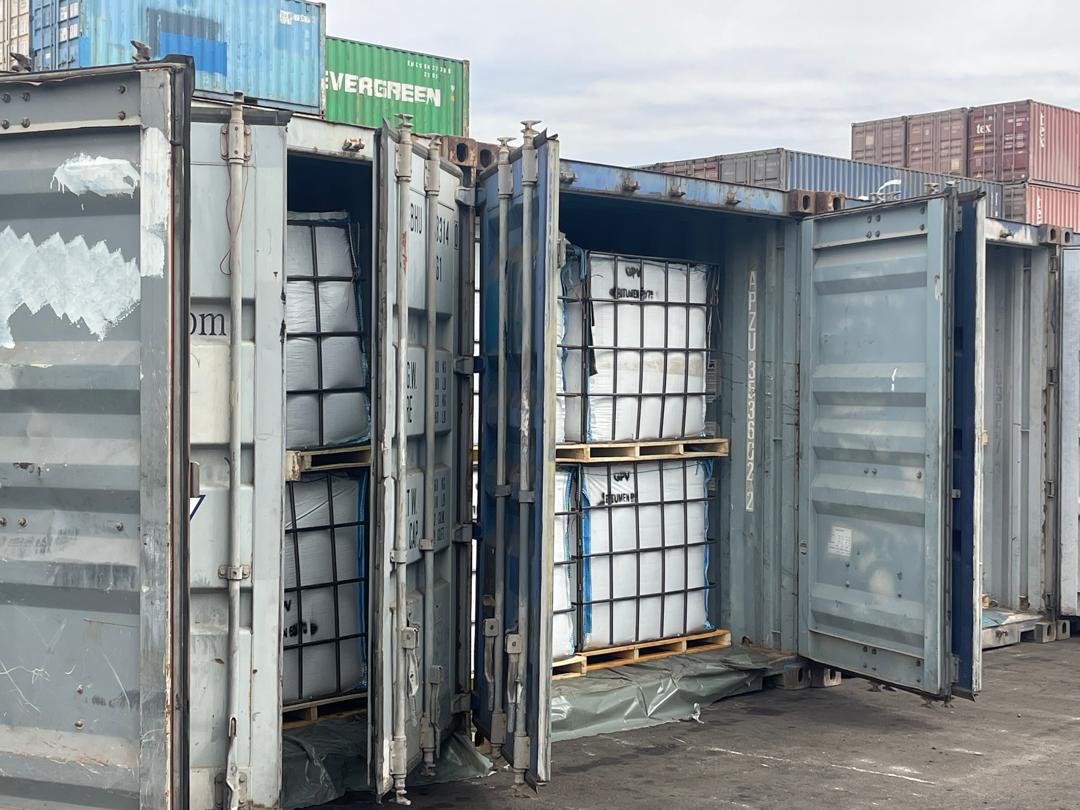
In addition to contractual frameworks, logistics play a significant role in extending the lag between crude oil and bitumen prices. Bitumen is typically transported in bulk shipments or specialized containers, often from major export hubs to importing countries. These shipments are usually planned and booked weeks in advance.
As a result, the bitumen arriving at a destination market often reflects pricing conditions from the time of booking, not the current market environment. Delays in shipping, port congestion, and inland transportation challenges can further extend this timeline. In regions that rely heavily on imports, such as Southeast Asia, these logistical factors can significantly amplify the delay in price transmission.

Impact on Infrastructure and Construction Projects
The delayed adjustment of bitumen prices has direct consequences for infrastructure development. Road construction projects are particularly vulnerable because they depend heavily on bitumen as a core material. In many cases, contracts for such projects are awarded based on fixed pricing structures, with limited flexibility to accommodate sudden cost increases.
When bitumen prices rise after a project has already been budgeted, contractors may face significant financial pressure. Profit margins can shrink, project timelines may be disrupted, and in extreme cases, work may be temporarily halted. This has been observed in several markets, where contractors struggle to absorb rising material costs without corresponding adjustments in contract terms.
To address this challenge, there is growing demand for more flexible pricing mechanisms. Escalation clauses, which allow for adjustments based on changes in material costs, are becoming increasingly common. These clauses help distribute risk more evenly between project owners and contractors.

The Role of Import Dependency
In many developing regions, the bitumen market is heavily dependent on imports. Countries in Southeast Asia, for example, rely on supplies from major exporting nations in the Middle East and other parts of Asia. This dependency introduces additional layers of complexity, as local pricing is influenced not only by global oil trends but also by shipping conditions and regional geopolitical factors.
Disruptions in key maritime routes, rising freight costs, and longer transit times can all contribute to higher delivered prices. Even when crude oil prices stabilize, these external pressures can sustain elevated bitumen costs in importing markets. This makes it difficult for buyers to predict price movements and plan procurement effectively.

Inventory as a Buffer Mechanism
Inventory management plays a crucial role in moderating the impact of price fluctuations. Storage facilities at ports and distribution centers act as a buffer between upstream supply changes and downstream consumption. When inventory levels are high, buyers can rely on existing stock and delay purchasing at higher prices.
However, when inventories are low, the market becomes more sensitive to price changes. Buyers may be forced to purchase at updated, higher prices, leading to a more immediate impact on project costs. This dynamic highlights the importance of strategic inventory planning, particularly during periods of market volatility.

Freight Costs and Currency Fluctuations
Beyond production and logistics, other economic factors also influence bitumen pricing. Freight costs, for instance, are closely tied to fuel prices and global shipping conditions. As crude oil prices rise, so do bunker fuel costs, which in turn increase shipping rates. These higher transportation costs are eventually passed on to buyers in the form of increased delivered prices.
Currency fluctuations add another layer of complexity. Since bitumen is typically traded in US dollars, countries with weaker local currencies may face higher import costs even if global prices remain stable. This is especially relevant for emerging economies, where exchange rate volatility can significantly impact overall procurement expenses.

Limited Market Transparency
Compared to crude oil markets, which benefit from high levels of transparency and real-time data, the bitumen market is relatively opaque. Pricing information is often fragmented, and there is limited access to timely data. This lack of transparency makes it more difficult for market participants to make informed decisions, particularly during periods of rapid change.
Without clear visibility into pricing trends, buyers and contractors may rely on outdated or incomplete information. This increases the risk of mispricing and can lead to inefficiencies in procurement and project planning.

Strategies for Managing Volatility
In response to these challenges, industry participants are adopting various strategies to manage risk and improve resilience. One common approach is to secure supplies in advance, allowing buyers to lock in prices before anticipated increases. This strategy requires careful market analysis and timing but can provide significant cost savings.
Another approach involves adjusting project schedules to reduce exposure to high-cost periods. By delaying bitumen-intensive activities, contractors can wait for prices to stabilize or for more favorable procurement conditions. Additionally, ongoing communication with clients and regulatory authorities can help facilitate contract adjustments when necessary.
Monitoring inventory levels and maintaining flexible supply chains are also essential components of effective risk management. These measures enable companies to respond more quickly to changing market conditions.

Future Outlook and Industry Implications
As global demand for infrastructure continues to rise, the importance of understanding bitumen price dynamics will only increase. The delayed transmission of crude oil price changes is likely to remain a defining feature of the market, driven by structural factors such as refinery operations, contractual frameworks, and logistical constraints.
To navigate this environment successfully, stakeholders may need to adopt more adaptive and forward-looking strategies. This includes rethinking traditional contract models, investing in better data and analytics, and strengthening supply chain resilience.
Conclusion
The relationship between crude oil and bitumen prices is both direct and delayed. While crude oil sets the foundation for cost structures, the journey from refinery to end-use introduces multiple stages where delays can occur. These delays are shaped by refinery priorities, contractual agreements, logistics, and broader economic factors.
For the construction and infrastructure sectors, recognizing and planning for this time lag is essential. By understanding the underlying causes and adopting proactive strategies, stakeholders can better manage risk, control costs, and ensure the successful delivery of critical projects in an increasingly unpredictable market.