Bitumen Drum Sizing: A 2025 Guide
Bitumen drum sizing is crucial for efficient and cost-effective transport and storage. Selecting the right drum capacity directly impacts logistical planning, handling costs, and overall project success. At Gulf Petro Vision L.L.C, we understand the nuances of bitumen supply and offer expert guidance to ensure your operations run smoothly. This guide provides a comprehensive overview of bitumen drum sizing considerations for 2025.
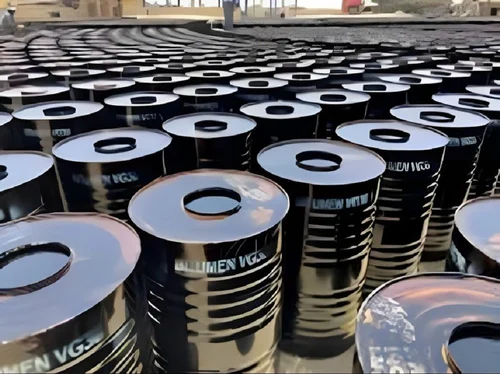
What role does bitumen drum sizing play in determining optimal capacity?
Choosing the right drum size is not a magic number; it results from a blend of logistics, project scope, and material properties. The Bitumen Steel Drum Packaging guide emphasizes that an oversized drum can increase handling difficulty, while an undersized one drives up the number of trips and labour costs.
How do transportation methods influence drum size selection?
Road trucks typically limit a single drum to 200 kg for safe loading, whereas rail cars can accommodate up to 400 kg per drum thanks to stronger securing systems. Sea freight, especially containerized shipments, often prefers 220 kg drums to maximize container cubic space while staying within weight limits. The chart below visualises preferred drum capacities across the three main modes.
Preferred single‑drum weight limits for common transport modes.
Why do project scale and site accessibility matter?
Large‑scale paving projects often favor 250 kg drums to reduce the number of lifts, provided the site has forklifts or crane capacity. Remote locations with limited road width may require 110 kg drums that can be hand‑carried or loaded onto small utility vehicles.
What impact do equipment capabilities have on drum volume?
When a site uses standard drum handling clamps rated at 250 kg, any drum exceeding that weight becomes a safety liability. Conversely, if the equipment can manage 350 kg, the bitumen drum capacity guide 2025 recommends moving to the next size tier to cut handling cycles.
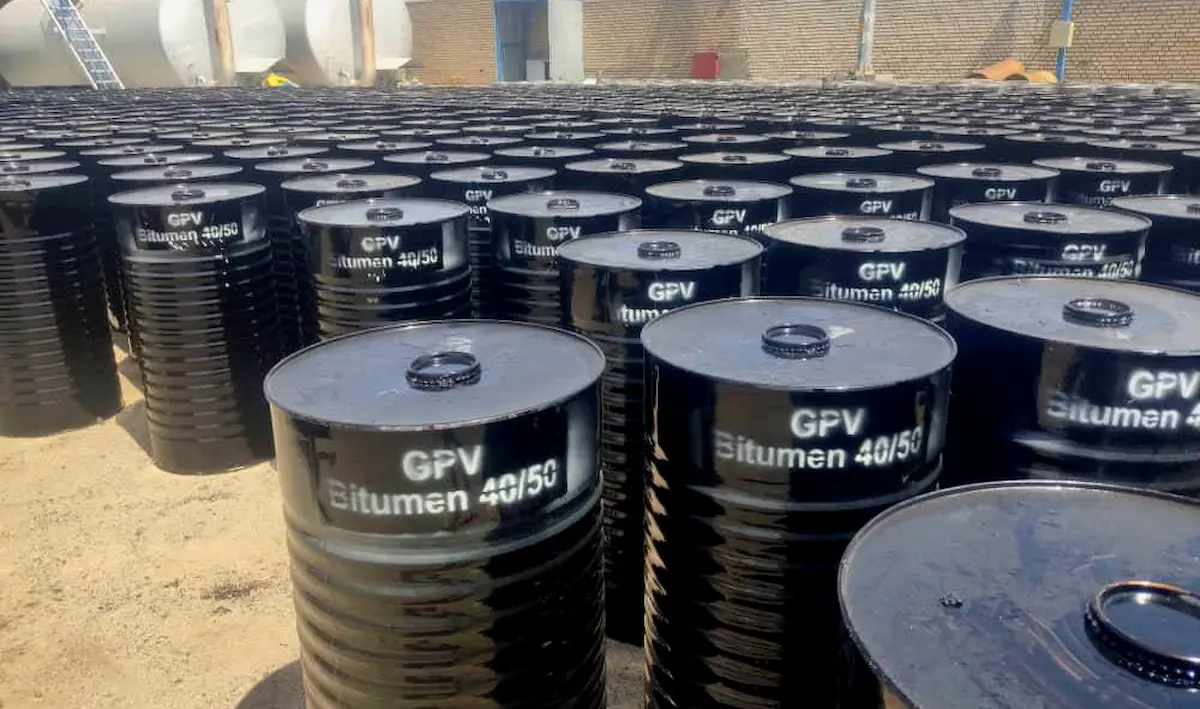
How do bitumen grade and temperature affect optimal sizing?
Heavy grades (e.g., Pen 70/100) retain heat longer, allowing slightly larger drums without premature solidification. Lighter grades drop temperature quickly, so smaller drums kept at 150 °C are preferred to maintain flow during transport.
What environmental and safety standards should guide the decision?
Regional regulations may cap drum weight to limit road wear and emissions. Safety standards demand clear labeling, pressure‑relief valves, and temperature monitoring—features that become more complex as drum volume grows.
By weighing transport method, project size, equipment limits, material grade, and compliance requirements, engineers can apply best practices for bitumen drum selection and achieve cost‑effective, safe delivery.
Accurate bitumen drum volume calculations are the linchpin of efficient logistics. By converting drum geometry into usable capacity—while accounting for headspace, thermal expansion, and regulatory tolerances—shippers can match payloads to vehicle limits, cut dead‑head miles, and reduce spillage risk.
How does bitumen drum sizing affect transport efficiency?
The basic formula for a cylindrical drum is:
Usable Volume = π × (radius)² × (usable height) − headspace allowance
Where radius = diameter ÷ 2 and usable height is the internal height minus the recommended 5 % expansion gap. For a 55‑gal (208 L) drum with a 30 cm diameter and 55 cm internal height, the calculation yields roughly 185 L of usable space after a 5 % headspace reserve.
What role does temperature‑induced expansion play?
Bitumen expands ≈0.0007 m³ per °C per cubic meter. In desert climates a 30 °C rise adds nearly 0.2 % volume, so a safety margin of 3 % is commonly applied. Ignoring this can overload trucks and breach transport regulations.
Why is a clear drum size chart essential?
Typical drum sizes and their practical usable volumes after headspace and expansion allowances.
How do non‑standard shapes challenge calculations?
Square or rectangular drums require width × length × height calculations, then a 3–5 % reduction for venting space. Custom drums often lack manufacturer‑provided internal dimensions, forcing field measurements and conservative safety factors.
Integrating these calculations into your Bitumen Steel Drum Packaging: A Complete Guide ensures you select the optimal drum, match it to vehicle payload limits, and achieve cost reductions outlined in the bitumen drum capacity guide 2025.
Why are drum sizing standards important for bitumen drum sizing?
Standardized drum dimensions create a common language between manufacturers, logistics providers, and regulators. In the bitumen industry, where temperatures exceed 150 °C and volumes are tightly packed, a consistent bitumen drum sizing framework prevents over‑filling, reduces the risk of leaks, and guarantees that handling equipment such as forklifts and drum trucks operate within their design limits. The result is a smoother supply chain and fewer costly disruptions.

What ISO and UN regulations govern bitumen drum sizing?
The primary references are ISO 9001 (quality management), ISO 20815 (performance measurement for petroleum handling), and UN Model Regulations for the Transport of Dangerous Goods, especially UN 1993 for bitumen. These standards dictate drum capacity markings, maximum fill percentages, and material compatibility. For example, ISO 15713 specifies the corrosion‑resistant steel grades suitable for hot bitumen, while UN guidelines require a “dangerous goods” label and a clear volume chart on each container.
Compliance distribution across major standards for bitumen drums.
How does non‑compliance affect safety and logistics?
Ignoring the drum sizing standards for bitumen industry can lead to over‑pressurisation, spills during transport, and severe penalties under the Dangerous Goods Act. Non‑compliant drums often fail stress tests, resulting in container deformation and hazardous exposure for workers. Insurance premiums increase, and shipments may be rejected at customs, causing delays and financial loss.
Which best practices ensure optimal drum selection?
Choosing the right drum begins with material compatibility: high‑grade carbon steel with a corrosion‑resistant coating is essential for hot bitumen. Verify construction details—double‑wall design, gasket integrity, and a certified heat‑seal lid. Follow the Bitumen Steel Drum Packaging: A Complete Guide for labeling requirements, including the bitumen drum capacity guide 2025 and a clear bitumen drum volume calculations chart.
Certification from recognized bodies (e.g., SGS, Bureau Veritas) confirms that drums meet the latest standards. Ongoing testing, such as hydrostatic pressure and thermal shock assessments, validates durability under real‑world conditions.

How are standards evolving in 2025 and beyond, and what is Gulf Petro Vision doing?
2025 introduces stricter emissions tracking for drum manufacturing and mandates RFID tagging for real‑time monitoring of drum fill levels. Gulf Petro Vision L.L.C. has integrated an AI‑driven compliance dashboard that cross‑references each drum’s batch number with the latest ISO/UN updates, ensuring every shipment meets the newest optimal drum sizing for bitumen transport criteria before it leaves the yard.
Understanding proper bitumen drum sizing is paramount for optimizing your bitumen supply chain. From capacity calculations to industry standards, this guide from Gulf Petro Vision L.L.C has provided a foundation for informed decision-making. For tailored solutions and expert advice on bitumen trading, contact us today and let us help you navigate the petrochemical landscape with confidence.