Bitumen Drum Safety Standards: A 2025 Guide
Bitumen drum safety standards are paramount in the petrochemical industry, particularly given the inherent hazards associated with handling this viscous material. At Gulf Petro Vision L.L.C, we understand the critical importance of safe and compliant bitumen management. This guide provides a comprehensive overview of best practices, regulations, and guidelines for handling, storing, and disposing of bitumen drums.
What physical hazards arise from handling bitumen drums?
Bitumen drums can weigh 200 kg or more, making manual lifting a serious musculoskeletal risk. When placed on uneven surfaces they may roll or tip, especially if stacked without levelers. Inadequate palletization can cause stacking instability, leading to falls that jeopardize both personnel and nearby equipment.

How do health hazards manifest during bitumen drum operations?
Hot bitumen (120‑180 °C) can cause second‑degree burns on contact with skin. Vapour‑rich fumes contain polycyclic aromatic hydrocarbons that irritate the respiratory tract; prolonged exposure may lead to chronic lung issues. Protective gloves, flame‑resistant aprons, and proper ventilation are essential.
What environmental risks must be managed with bitumen drums?
Spills on concrete or soil contaminate groundwater and require costly remediation. Improper disposal of empty drums can leach residual bitumen into the environment. Adopting Bitumen Steel Drum Packaging guide helps minimize residue and supports environmentally friendly bitumen drum disposal methods.
What are the bitumen drum safety standards for each handling stage?
Loading: Verify drum integrity, use calibrated forklifts, and secure with drum straps.
Transport: Follow drum safety regulations for bitumen transport, ensure vehicles have anti‑roll bars, and display hazard labels.
Unloading: Position drums on level bases, employ suction pumps for hot material, and monitor temperature.
Storage: Keep drums in a ventilated, fire‑rated area, maintain a 1‑meter clearance between stacks, and conduct daily leak inspections.
Proportion of hazard categories identified during a typical risk assessment.
Why are MSDS, labeling, and OSHA compliance critical?
The Material Safety Data Sheet details flash point, recommended PPE, and spill‑control measures. Accurate GHS labeling alerts workers to flammability, corrosivity, and health risks. OSHA standards for bitumen drum handling (29 CFR 1910.106) mandate training, fire‑extinguishing equipment, and regular inspections; a 2025 update will tighten permissible exposure limits for fumes. Non‑compliance can result in workplace injuries, hefty fines, and legal action.

What fire safety steps protect against bitumen’s flammability?
Although bitumen has a high flash point, splashes can ignite on contact with hot surfaces. Store drums away from ignition sources, install Class B fire extinguishers, and conduct quarterly fire‑drill simulations. Following these measures aligns with the latest bitumen drum safety standards and safeguards personnel, property, and the environment.
What Practical Steps Ensure Compliance with Bitumen Drum Handling Guidelines 2025?
Adhering to the latest bitumen drum safety standards begins with a documented compliance checklist that spans receipt, storage, transport, and disposal. Below is a concise checklist for bitumen drum safety:
- Verify drum label, UN number, and material safety data sheet (MSDS) on receipt.
- Inspect for dents, corrosion, or seal breaches; tag non‑conforming drums.
- Store drums on level, non‑combustible pallets with a minimum 1‑meter aisle.
- Maintain ambient temperature ≤ 50 °C; use insulated shelters in hot Gulf climates.
- Separate bitumen from oxidizers, acids, and solvents per Bitumen Steel Drum Packaging guidance.
- Document daily inspections in a digital log; trigger alerts for overdue checks.
- Prepare transport documents aligned with ADR (Europe) and IMDG (maritime) codes.
- Conduct post‑use drum decontamination and route to environmentally friendly disposal facilities.
How Should Industrial Bitumen Drum Storage Be Managed for Maximum Safety?
Industrial storage must provide adequate ventilation to disperse volatile organic compounds, and temperature controls to prevent softening of bitumen. Segregate incompatible materials using color‑coded zones; conduct weekly visual inspections and monthly ultrasonic wall thickness checks.
Current compliance rates across key storage criteria.
What Drum Safety Regulations Govern Bitumen Transport?
For road transport, ADR class 3 drums require UN 1970 labeling, driver training, and separation from passenger vehicles. Sea freight follows IMDG Code Chapter 3, mandating stowage away from heat sources and securing drums to prevent shifting.
Why Is Employee Training Critical for Hazard Assessment of Bitumen Drums?
OSHA standards for hazardous materials demand competency verification every 12 months. Training should cover proper lifting techniques, spill containment, and the use of personal protective equipment (PPE). Competency assessments are recorded in the learning management system and linked to the drum tracking platform.

How Should an Emergency Response to a Bitumen Spill Be Executed?
Activate the site emergency plan within 30 seconds: isolate the area, don fire‑resistant suits, and apply approved absorbent kits. Notify the local fire department, document the incident, and conduct a root‑cause analysis to prevent recurrence.
Can Technology Streamline Compliance with Bitumen Drum Handling Guidelines 2025?
Modern drum tracking systems use RFID tags to log location, temperature, and inspection dates in real time. Automated visual inspection tools employ AI to detect dents or corrosion, feeding data directly into the compliance dashboard.
What Should Companies Do to Prepare for Evolving Regulations?
Maintain a regulatory watchlist, schedule quarterly reviews of ADR/IMDG updates, and participate in industry forums. By embedding continuous improvement into the compliance checklist, organizations stay ahead of future bitumen drum handling guidelines 2025 requirements.
Traditional landfilling of used bitumen drums remains common, yet it poses long‑term soil and groundwater risks and consumes valuable landfill capacity. The resulting leachate can contain heavy metals and residual hydrocarbons, conflicting with Gulf region waste‑to‑land directives.
What environmentally friendly disposal methods reduce the impact of bitumen drums?
Three proven alternatives dominate sustainable practice:
- Drum recycling – cleaning and re‑coating steel drums for a new service life.
- Reconditioning – repairing dents, replacing seals, and restoring structural integrity.
- Energy recovery – feeding cleaned drums into cement kilns or waste‑to‑energy plants where the steel is melted and the bitumen serves as a supplemental fuel.
Current adoption rates of sustainable disposal routes for bitumen drums.
How does reclaiming bitumen support a circular economy?
Recovering residual bitumen from cleaned drums enables direct reuse in paving or roofing, cutting fresh‑feed demand. When combined with Bitumen Steel Drum Packaging: A Complete Guide, operators can design closed‑loop logistics that meet industrial bitumen drum storage best practices while delivering cost savings.
Which regulations govern the disposal of bitumen drums?
National waste classification assigns used drums to hazardous waste (class 2). Permits must detail cleaning procedures, transport routes, and final treatment methods. Compliance checklists reference drum safety regulations for bitumen transport and require documentation of decontamination to OSHA standards.
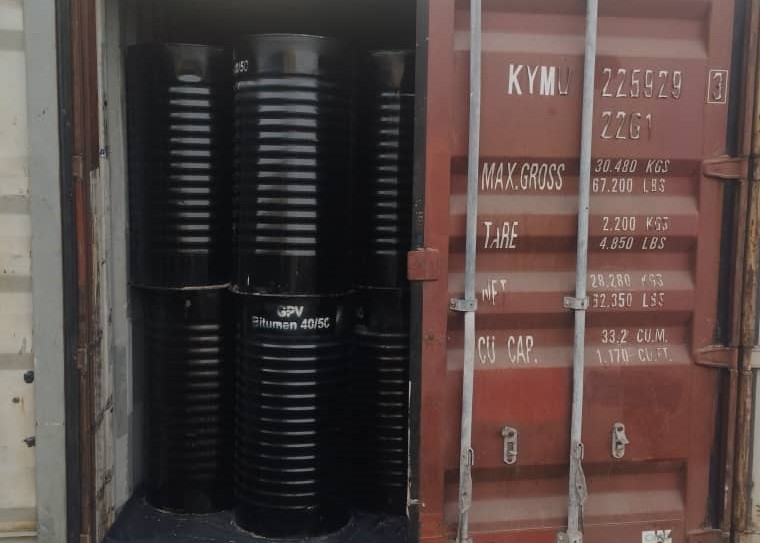
Why is thorough cleaning essential before disposal?
Residual bitumen can ignite during incineration and contaminate recycling streams. A standardized cleaning protocol—mechanical scraping, solvent wash, and visual inspection—ensures the drum meets the threshold for non‑hazardous recycling, aligning with bitumen drum safety standards.
How can waste generation be minimized during handling?
Implementing spill‑containment pallets, real‑time inventory tracking, and using reusable drum liners reduces off‑spec waste. These steps complement the broader sustainability agenda and reinforce safety compliance across the supply chain.
Maintaining stringent bitumen drum safety standards is not merely a regulatory requirement, but a cornerstone of responsible operations. Gulf Petro Vision L.L.C is committed to providing the expertise and resources needed to navigate these complexities. Prioritizing safety protects personnel, the environment, and your business. Contact us today to learn how we can support your bitumen supply chain needs.