Bitumen Supply Chain Challenges in Global Trade: Risks, Logistics, and Practical Solutions
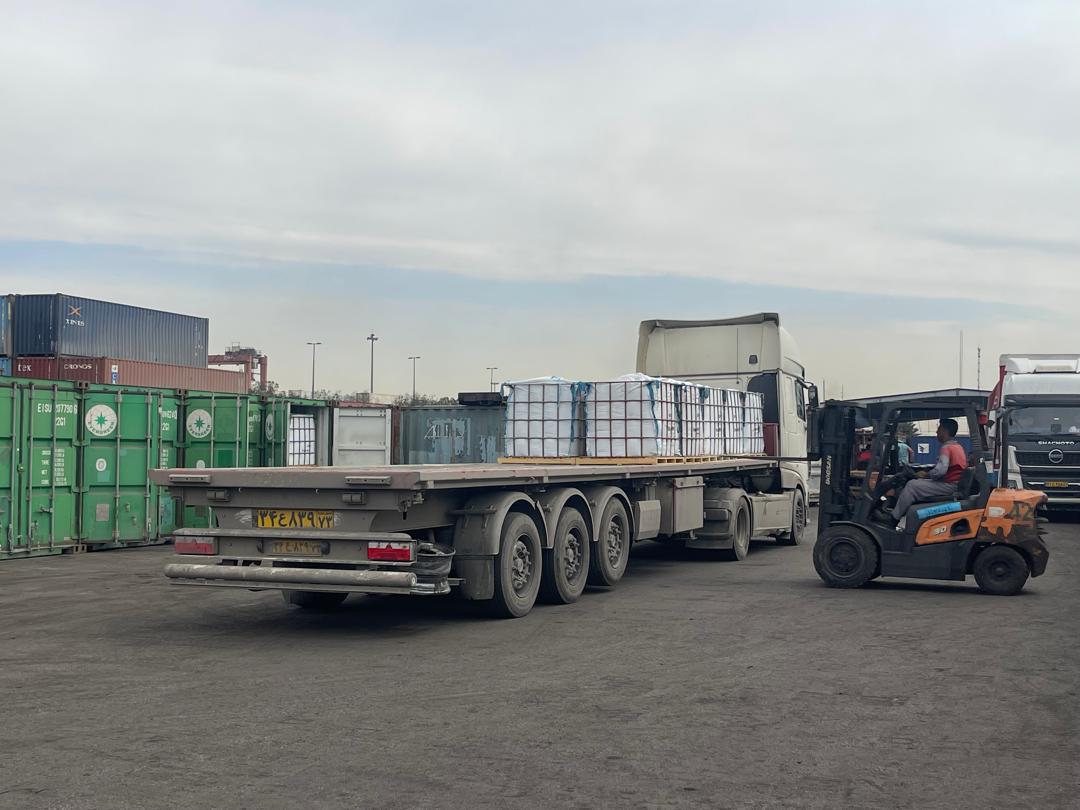
Bitumen is a critical material for road construction, asphalt production, waterproofing, and infrastructure development. Its international trade connects refineries, storage terminals, shipping companies, distributors, contractors, and road construction projects across multiple markets.
However, moving bitumen from a refinery or production facility to an overseas customer involves more than simply arranging transportation. The bitumen supply chain must coordinate product quality, packaging, storage, shipping schedules, documentation, customs procedures, and final delivery.
As international buyers increasingly look for reliable supply and predictable delivery, understanding the main bitumen supply chain challenges can help suppliers and buyers plan more effectively.
The good news is that most supply chain challenges can be managed through proper planning, transparent communication, and careful coordination between suppliers and logistics partners.

What Is the Bitumen Supply Chain?
The bitumen supply chain covers the complete process from production to final delivery.
A typical international bitumen supply chain may include:
- Refinery or bitumen production facility
- Quality control and laboratory testing
- Storage terminal
- Packaging or bulk loading
- Inland transportation
- Port handling
- Ocean freight
- Destination port clearance
- Local transportation
- Customer storage or asphalt plant
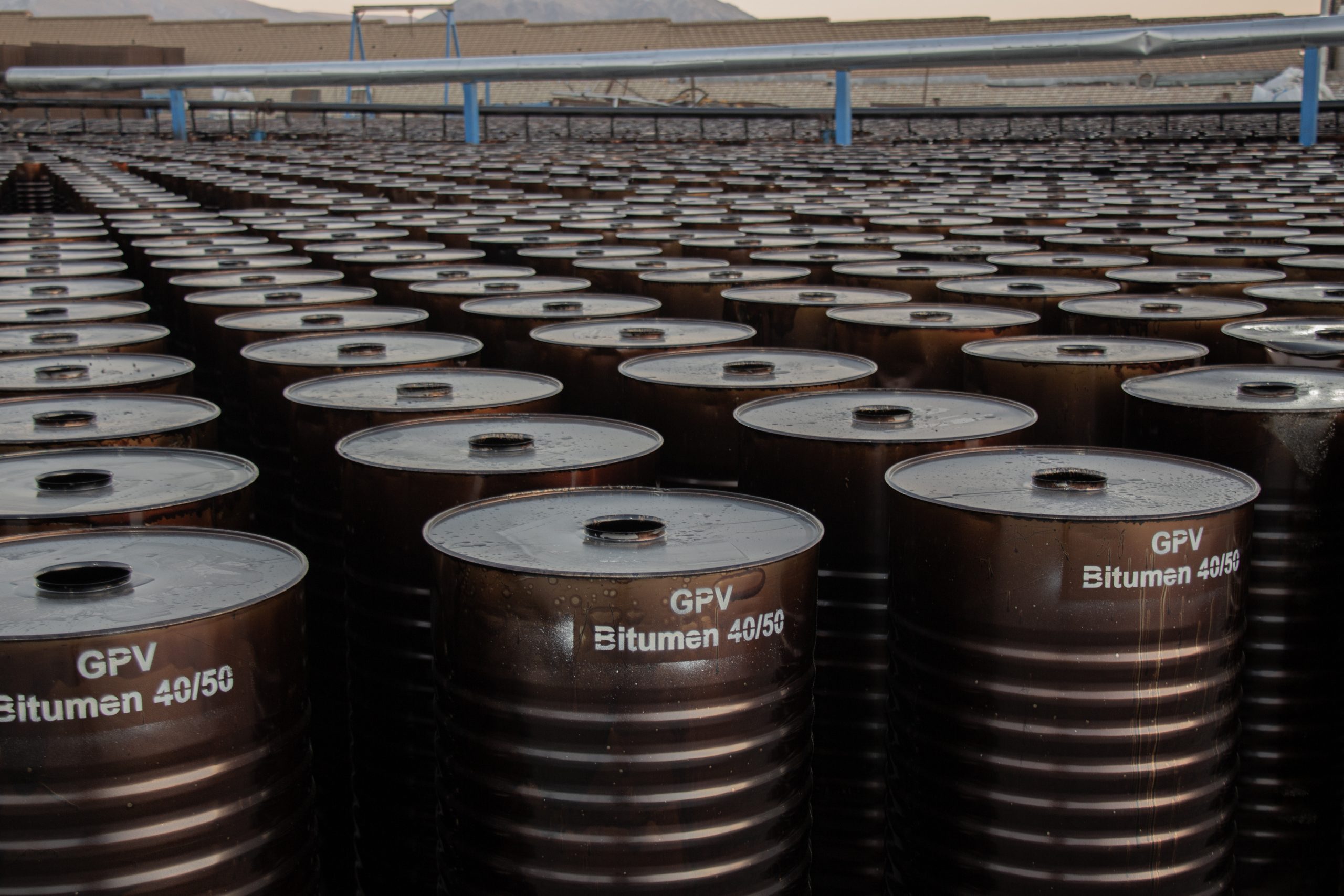
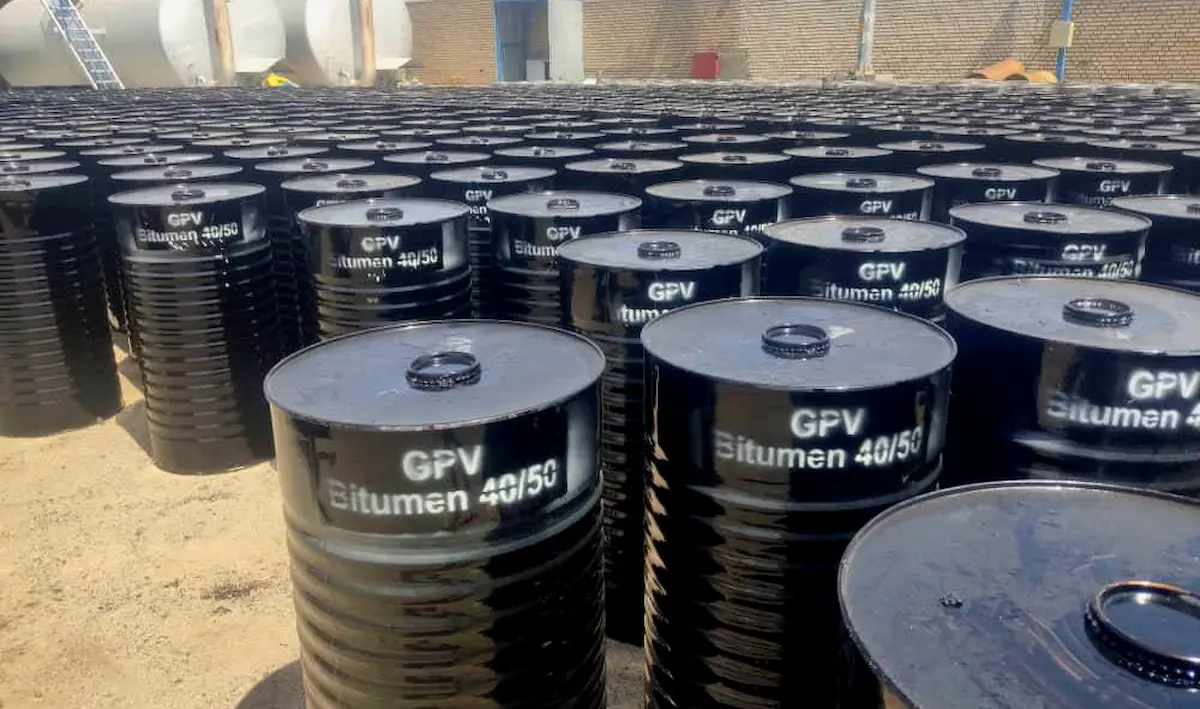
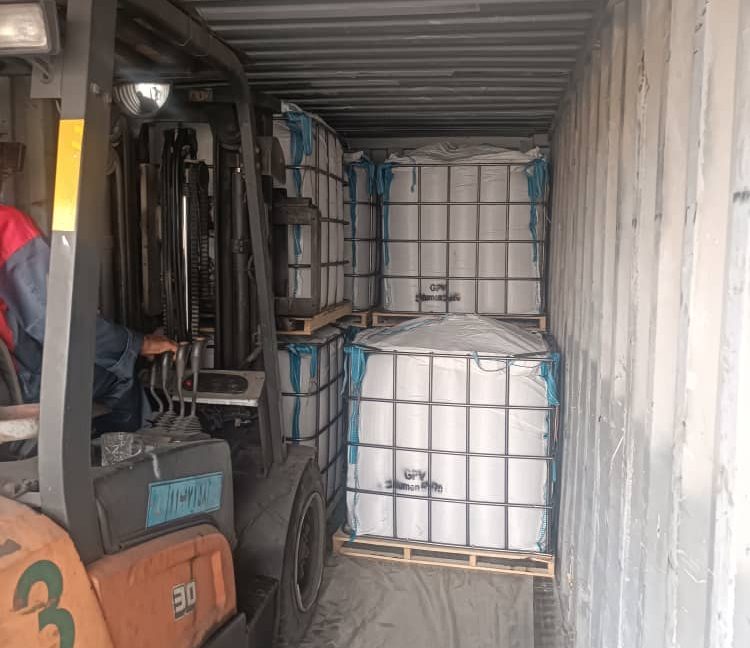
Depending on the destination and purchasing requirements, bitumen may be transported in new steel drums, jumbo bags, flexitanks, or in bulk vessels or tankers.
Each transportation method has different cost, handling, storage, and operational requirements. Therefore, selecting the right supply chain structure is an important part of international bitumen procurement.
1. Availability and Reliable Sourcing
One of the first challenges in the global bitumen market is securing consistent supply.
Bitumen is produced primarily as a petroleum refining product, meaning availability can be influenced by refinery operations, crude oil supply, production schedules, maintenance periods, and regional demand.
For buyers purchasing large volumes, the key issue is not simply finding a supplier that can provide one shipment. The more important question is whether the supplier can maintain consistent quality and volume over the required contract period.
For this reason, buyers should evaluate:
- Production capacity
- Available grades
- Previous export experience
- Loading locations
- Quality control procedures
- Packaging capability
- Storage capacity
- Export documentation
- Ability to meet scheduled shipment windows
A reliable supplier should also be able to communicate clearly when availability changes rather than making unrealistic delivery commitments.

2. Bitumen Quality Consistency
Quality consistency is another important part of the supply chain.
Different markets may require different grades and specifications, such as penetration grades, viscosity grades, or performance-based specifications. Buyers may also request compliance with standards such as ASTM, EN, or local road authority specifications.
For example, penetration-grade bitumen is commonly classified according to penetration characteristics. ASTM D946 is one of the standards used for penetration-grade paving bitumen.
Quality management therefore needs to continue throughout the supply chain rather than being treated as a one-time laboratory exercise.
Important quality documents can include:
- Certificate of Analysis (COA)
- Product specification
- Safety Data Sheet (SDS/MSDS)
- Certificate of Origin
- Inspection certificate
- Loading or production test results
Independent inspection companies such as SGS may also be appointed to verify quality and quantity at the loading port.
The objective is simple: the product received by the customer should match the agreed commercial and technical specifications.
3. Packaging and Handling Requirements
Bitumen can be supplied using several packaging methods, and the appropriate option depends on the destination, quantity, infrastructure, and customer requirements.
Steel Drums
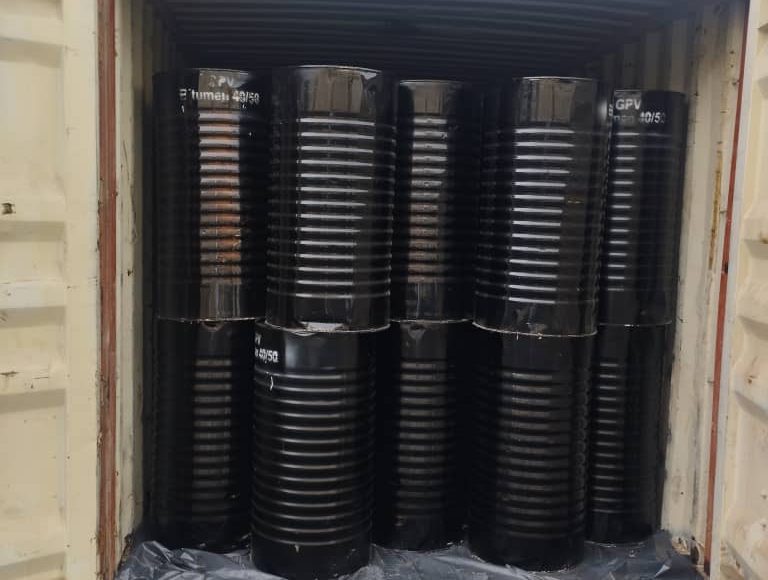
New steel drums are widely used for containerized bitumen shipments. They provide a practical solution for buyers that do not have bulk storage infrastructure.
However, drum shipments require additional handling during loading, transportation, unloading, and storage.
Jumbo Bags
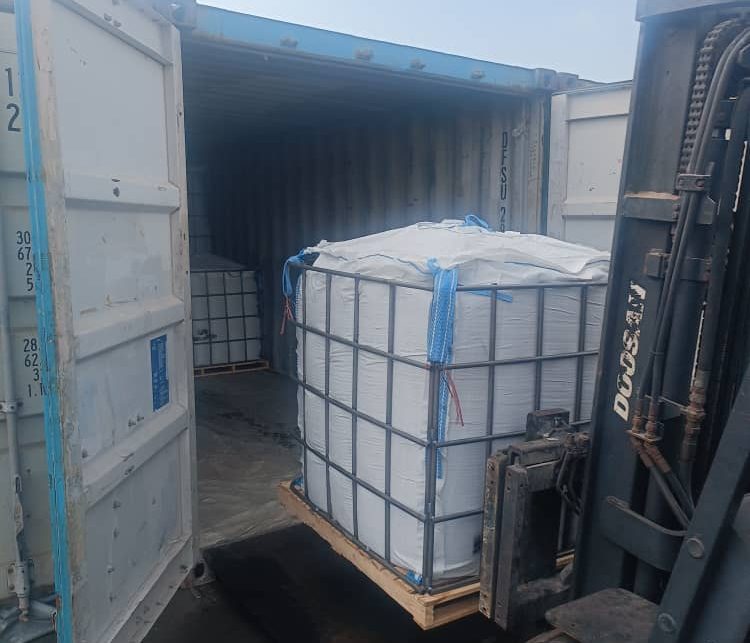
Jumbo bags can provide another packaging option for certain markets. Their suitability depends on local handling facilities, storage conditions, and the buyer’s operational requirements.
Flexitanks
Flexitanks can be considered for certain liquid cargo applications when the equipment, route, carrier, and operating conditions are suitable.
Bulk Shipments
Large-volume buyers may prefer bulk shipments when appropriate terminal and storage infrastructure is available.
The choice of packaging can have a direct impact on the overall landed cost. Therefore, buyers should evaluate the product price and logistics cost together, rather than comparing the bitumen price alone.
4. International Freight and Shipping Costs
Freight is one of the most important variables in international bitumen trade.
The final delivered price can depend on:
- Loading port
- Destination port
- Shipment volume
- Packaging type
- Container availability
- Vessel schedule
- Transit route
- Port charges
- Seasonal market conditions
- Local handling requirements
For example, a supplier offering a competitive FOB price may not necessarily provide the most competitive CFR or CIF price.
This is why international buyers should compare the total landed cost rather than focusing exclusively on the refinery or FOB price.
Shipping routes can also change according to operational and geopolitical conditions. The International Maritime Organization has noted that geopolitical developments and disruptions affecting major maritime routes can influence shipping patterns and costs. (International Maritime Organization)
A strong logistics plan should therefore include realistic transit-time assumptions and sufficient flexibility around vessel schedules.
5. Delivery Time and Scheduling
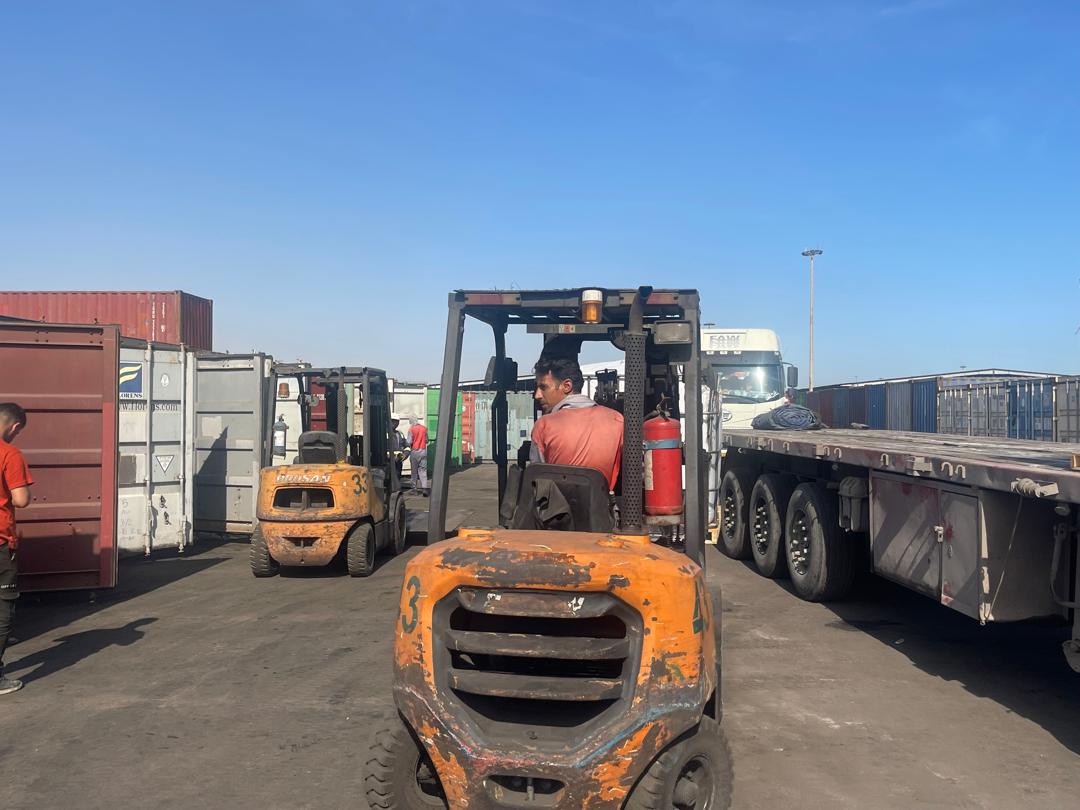
Delivery time is especially important for road construction and infrastructure projects.
A delayed bitumen shipment can affect asphalt production, paving schedules, equipment utilization, and project timelines.
The overall lead time can include:
Production → Quality Inspection → Loading → Port Handling → Ocean Transit → Customs Clearance → Final Delivery
Each stage needs to be considered when calculating the expected delivery date.
One common mistake is to quote only the ocean transit time. A vessel may take a certain number of days at sea, but the total delivery timeline can be longer because of production scheduling, port operations, documentation, and customs clearance.
International shipping has also become increasingly digital. The IMO notes that maritime single-window systems became mandatory from January 2024 under amendments to the Facilitation Convention, supporting more streamlined exchange of information between authorities and shipping stakeholders. (International Maritime Organization)
For buyers, the best approach is to request a realistic estimated delivery time rather than an overly optimistic transit promise.

6. Storage and Temperature Management
Bitumen requires appropriate storage and temperature management, particularly when supplied in bulk.
Eurobitume’s storage guidance emphasizes careful temperature management because inappropriate storage conditions can affect the material and create operational problems. For example, allowing bitumen to cool excessively can contribute to condensation, blockages, and difficulties during reheating. (Eurobitume)
This means storage facilities need suitable:
- Heating systems
- Temperature monitoring
- Tank design
- Transfer equipment
- Safety procedures
- Loading and unloading systems
For international buyers, storage planning should begin before the shipment arrives.
A supplier may deliver the product on schedule, but if the destination facility is not prepared to receive and handle it, the supply chain can still experience delays.

7. Port and Customs Procedures
International bitumen shipments also depend on efficient port and customs operations.
Documentation requirements can vary between countries and may include commercial invoices, packing lists, certificates of origin, quality certificates, inspection documents, shipping documents, and other regulatory information.
The IMO highlights the importance of coordinated information exchange between ports, customs, maritime authorities, terminal operators, and other stakeholders in facilitating international shipping. (International Maritime Organization)
To reduce delays, suppliers should prepare export documentation carefully and ensure that the information across commercial and shipping documents is consistent.
Buyers should also confirm destination-country requirements before shipment.
8. Safety Across the Bitumen Supply Chain
Safety is an essential part of bitumen logistics.
Bitumen is commonly handled at elevated temperatures, so loading, transportation, storage, and unloading require appropriate procedures and equipment.
Eurobitume has developed industry guidance covering areas such as safe loading, safe delivery, storage, and ground-based operations. Its recent guidance highlights the importance of reducing exposure risks and controlling potential failures during loading and unloading operations. (Eurobitume)
For example, safe delivery procedures should consider:
- Suitable unloading equipment
- Proper connections and hoses
- Tank ventilation
- Emergency shutdown systems
- Communication between drivers and plant personnel
- Appropriate personal protective equipment
- Safe operating procedures
These measures are not only about compliance. They also help reduce operational interruptions and protect people working throughout the supply chain.
9. Documentation and Communication
Many supply chain problems are not caused by the physical movement of the product. They can result from incomplete information or poor communication.
Before confirming an international bitumen order, buyers and suppliers should clearly agree on:
- Product grade
- Technical specification
- Quantity
- Tolerance
- Packaging
- Origin
- Loading port
- Destination port
- Incoterm
- Payment terms
- Inspection requirements
- Estimated shipment date
- Delivery time
- Required documentation
A clear commercial offer helps avoid misunderstandings later in the transaction.
For larger contracts, communication becomes even more important because several departments may be involved, including procurement, quality control, finance, logistics, shipping, customs, and operations.

10. Managing Price Volatility
Bitumen pricing is influenced by several factors across the petroleum and logistics markets.
Changes in crude oil markets, refinery economics, regional demand, freight rates, currency movements, and availability can affect the final commercial offer.
For this reason, a bitumen quotation should normally have a clearly stated validity period.
Buyers planning large-volume purchases can reduce uncertainty by discussing pricing mechanisms, shipment schedules, and contract structures with suppliers in advance.
Instead of focusing only on the lowest initial price, procurement teams should evaluate the supplier’s ability to provide a competitive landed cost with reliable delivery.

How Can Companies Reduce Bitumen Supply Chain Risks?
A practical supply chain strategy can significantly reduce avoidable problems.
1. Work With Experienced Suppliers
Choose suppliers with proven export experience, transparent documentation, and access to reliable production sources.
2. Verify Product Quality
Request technical specifications and COAs and consider independent inspection when appropriate.
3. Plan Logistics Early
Check vessel schedules, port availability, packaging requirements, and estimated transit times before finalizing the commercial offer.
4. Compare Total Landed Cost
Evaluate product price, freight, port charges, handling, and other logistics costs together.
5. Maintain Communication
Regular communication between buyer, supplier, freight forwarder, inspection company, and destination agent can help identify problems before they become delays.
6. Build Flexibility Into Delivery Planning
International logistics can change. A realistic delivery window gives both sides room to manage operational changes without disrupting the entire project schedule.

The Future of Global Bitumen Supply Chains
The global bitumen supply chain is becoming increasingly focused on reliability, transparency, digital documentation, safety, and logistics efficiency.
Digitalization is already improving the exchange of shipping information. At the same time, industry organizations continue to update safety guidance for loading, storage, and delivery operations.
For international buyers, this means supplier selection is increasingly about more than price.
A competitive supplier should be able to provide a combination of:
Product quality + reliable sourcing + competitive logistics + accurate documentation + realistic delivery planning.
This integrated approach can help buyers manage procurement more effectively and maintain a stable supply for road construction and infrastructure projects.
Conclusion
Bitumen supply chains involve multiple stages, from production and quality control to packaging, shipping, storage, and final delivery. Each stage can influence the cost, quality, and timing of an international shipment.
The most common bitumen supply chain challenges include product availability, quality consistency, packaging selection, freight costs, delivery scheduling, storage requirements, documentation, and safe handling.
However, these challenges do not have to become barriers to international trade.
With experienced suppliers, appropriate logistics planning, transparent communication, independent quality inspection, and realistic delivery schedules, companies can build more reliable and efficient bitumen supply chains.
For buyers, the key is to look beyond the headline price and evaluate the complete supply chain. The most valuable supplier is not necessarily the one offering the lowest initial quotation, but the one capable of delivering the right product, at the agreed quality, in the required quantity, to the correct destination, within a realistic timeframe.

Frequently Asked Questions
What are the main challenges in the bitumen supply chain?
The main challenges include sourcing reliable volumes, maintaining consistent quality, managing freight costs, selecting suitable packaging, meeting delivery schedules, handling documentation, and maintaining appropriate storage and safety conditions.
How is bitumen transported internationally?
Bitumen can be transported in steel drums, jumbo bags, flexitanks, or in bulk, depending on the product, quantity, destination infrastructure, and transportation route.
Why is delivery time important when buying bitumen?
Delivery delays can affect asphalt production and road construction schedules. Therefore, buyers should consider production, loading, ocean transit, customs, and final delivery when calculating the total lead time.
How should buyers evaluate a bitumen supplier?
Buyers should consider product quality, production capacity, export experience, packaging options, logistics capability, documentation, inspection procedures, payment terms, and delivery performance.
How can buyers reduce bitumen logistics costs?
Comparing different loading ports, packaging options, shipment volumes, freight routes, and Incoterms can help buyers identify a more competitive total landed cost.
Why is bitumen storage important?
Proper storage and temperature management help maintain product condition and support safe and efficient handling. Industry guidance recommends appropriate temperature control and storage procedures for bitumen. (Eurobitume)
What should be included in a bitumen commercial offer?
A professional offer should normally specify the grade, quantity, packaging, origin, loading port, destination, Incoterm, price, payment terms, inspection, delivery time, and offer validity.