Why On-Time Delivery Matters in Large-Scale Bitumen Supply Contracts
In large-scale infrastructure projects, on-time bitumen delivery is not simply a logistics advantage — it is a critical factor that directly affects project timelines, operational costs, contractor performance, and long-term business relationships. Whether the shipment is moving under FOB or CFR terms to Africa, East Asia, or other international markets, delayed bitumen cargo can disrupt road construction schedules, create financial losses, and damage supply chain reliability.
For procurement managers, government contractors, civil engineers, and bitumen traders, choosing a supplier with a strong delivery record is often as important as product quality and price.
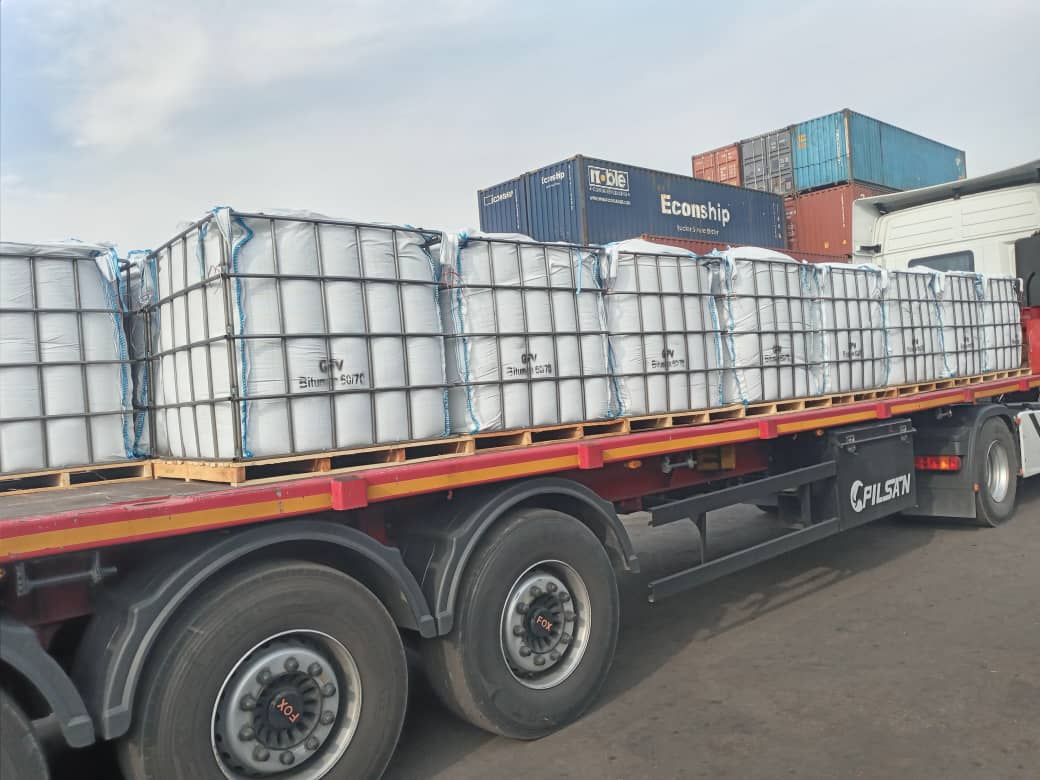
Why Delivery Timing Is Critical in Bitumen Projects
Bitumen is one of the core materials used in road construction, airport runways, industrial paving, and waterproofing applications. Unlike many general commodities, bitumen demand is usually linked directly to active infrastructure schedules and government-funded projects.
In many African and Asian markets such as Nigeria, Kenya, Ethiopia, Tanzania, Pakistan, Vietnam, and Indonesia, construction projects operate within tight seasonal windows. Delays during dry seasons or government infrastructure deadlines can create major disruptions.
If bitumen cargo does not arrive on time:
- Asphalt plants may stop production
- Road paving operations may be suspended
- Contractors may face financial penalties
- Equipment and labor remain idle
- Project completion dates may be postponed
For large projects, even a delay of several days can create significant operational and financial consequences.

The Financial Impact of Delayed Bitumen Shipments
Many importers focus heavily on FOB or CFR bitumen prices during negotiations. However, the lowest price does not always represent the lowest total project cost.
A supplier offering slightly cheaper prices but unreliable delivery schedules can create hidden costs that exceed the original savings.
These costs may include:
- Demurrage charges at ports
- Storage and terminal delays
- Idle labor and machinery
- Contractual penalties
- Increased transportation expenses
- Emergency spot purchases at higher market prices
For example, a delayed bulk bitumen shipment arriving at Lagos Port, Mombasa Port, or Dar es Salaam can interrupt ongoing paving operations and force contractors to source replacement material from local traders at significantly higher prices.
In international bitumen trade, reliability often creates more long-term value than temporary price discounts.
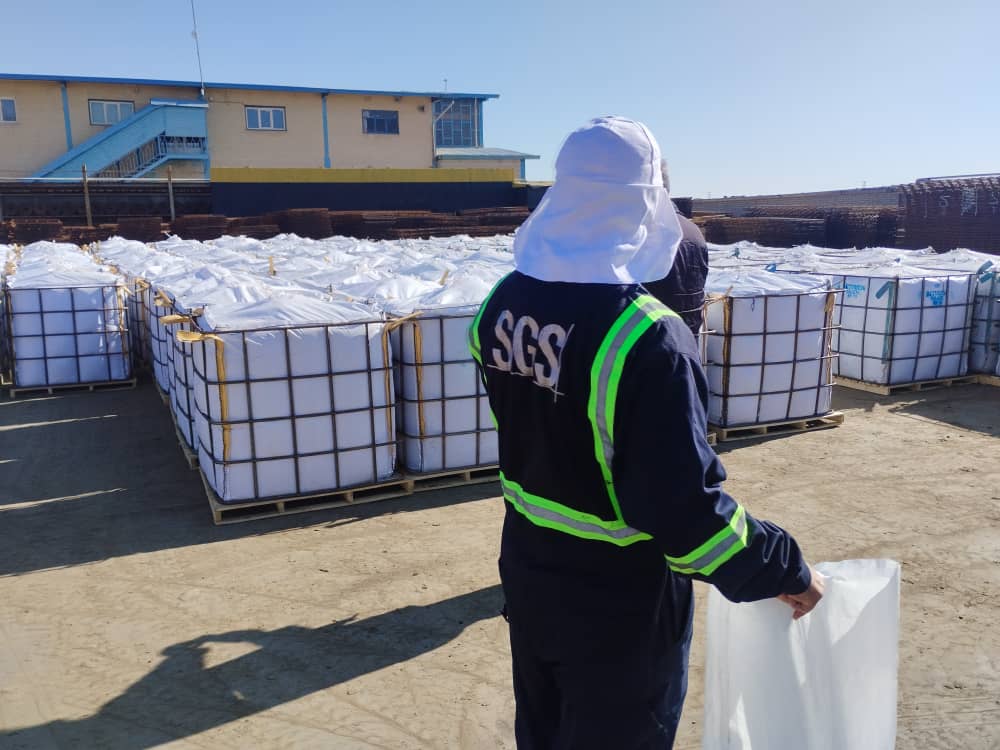
Supply Chain Complexity in International Bitumen Exports
Global bitumen logistics involve multiple operational stages, including:
- Refinery production scheduling
- Quality inspection and laboratory analysis
- Packaging or bulk loading
- Port handling and customs clearance
- Vessel or rail coordination
- Cross-border documentation
- Import terminal discharge
Each stage carries potential risks.
Exporters supplying African and East Asian markets frequently face challenges such as:
- Port congestion
- Vessel shortages
- Weather disruptions
- Customs delays
- Sanctions and banking limitations
- Rail scheduling limitations
- Inland transportation bottlenecks
An experienced bitumen supplier understands these risks and builds contingency planning into the supply chain.
This is one reason why professional buyers increasingly prioritize suppliers with proven export experience instead of choosing vendors based only on price.

Why Infrastructure Contractors Prioritize Reliable Suppliers
Government infrastructure projects and public road contracts usually operate under strict completion deadlines. Delayed road construction can create political pressure, public dissatisfaction, and budget complications.
As a result, procurement managers increasingly evaluate suppliers based on:
- Historical delivery performance
- Export capacity
- Shipping coordination
- Communication speed
- Documentation accuracy
- Crisis management capability
In many cases, buyers are willing to pay a slightly higher CFR price if the supplier demonstrates consistent delivery reliability and operational transparency.
This trend is particularly visible in high-growth infrastructure markets across West Africa and East Africa, where road development demand continues to increase.

The Role of Communication in On-Time Delivery
Fast and transparent communication is one of the most overlooked elements in bitumen supply contracts.
Buyers do not only expect cargo to arrive on time — they also expect regular shipment updates and accurate information throughout the process.
Professional suppliers provide:
- Vessel tracking updates
- Loading schedules
- Estimated arrival dates
- Quality certificates
- Shipping documents
- Real-time logistics communication
This level of transparency builds confidence and allows buyers to plan operational activities more effectively.
In the modern B2B market, delayed communication can damage trust almost as much as delayed cargo.
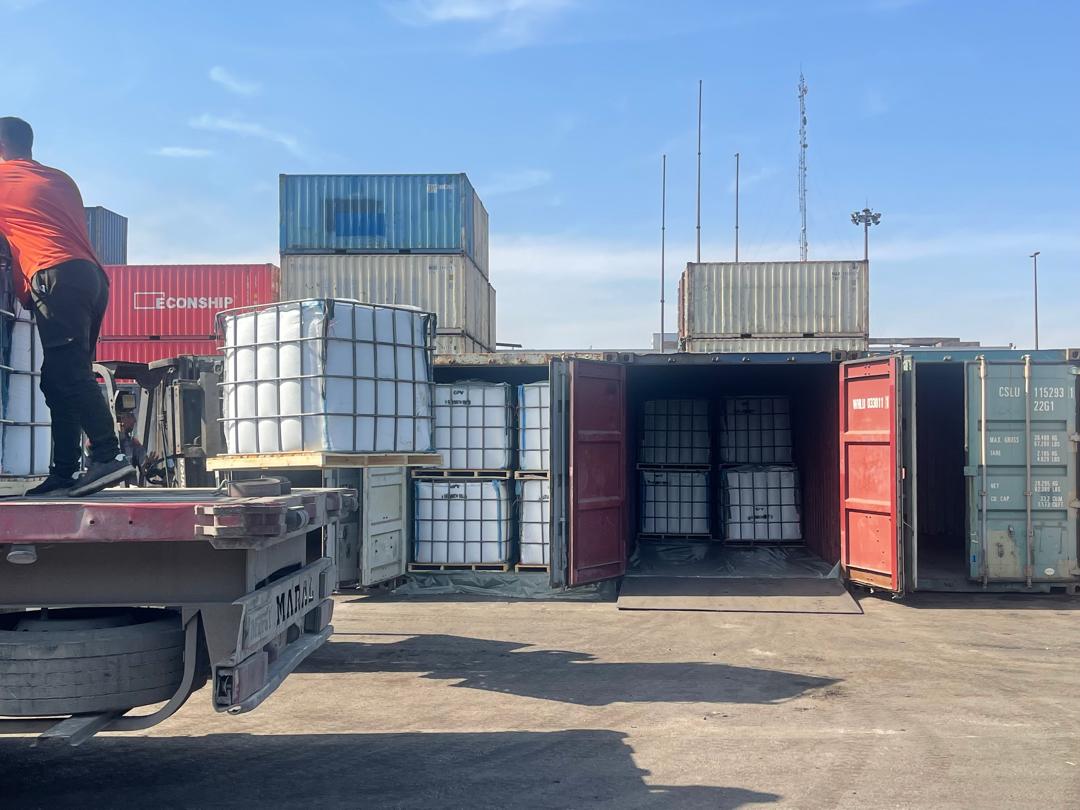
Bulk Bitumen vs Drum Bitumen Delivery Challenges
Delivery planning differs significantly between bulk bitumen and drum bitumen shipments.
Bulk Bitumen
Bulk cargo requires:
- Specialized vessels
- Heated storage terminals
- Coordinated discharge systems
- Advanced scheduling
Although bulk shipments are cost-efficient for large projects, delays can create larger operational disruptions due to the scale of supply.
Drum Bitumen
Drummed bitumen offers more flexibility and easier storage, especially in developing markets with limited infrastructure. However, it also introduces challenges such as:
- Container availability
- Drum handling
- Warehouse coordination
- Port congestion risks
Experienced exporters understand how to optimize both delivery models depending on the destination market and infrastructure conditions.

How Reliable Delivery Strengthens Long-Term Partnerships
In international bitumen trade, repeat business is heavily based on trust.
A supplier that consistently delivers on time gains several long-term advantages:
- Higher contract renewal rates
- Stronger distributor relationships
- Better reputation in local markets
- Increased referral opportunities
- Improved negotiating power
For buyers, reliable supply reduces operational uncertainty and simplifies procurement planning.
This is especially important in volatile markets where geopolitical changes, freight fluctuations, and refinery maintenance schedules can affect availability.
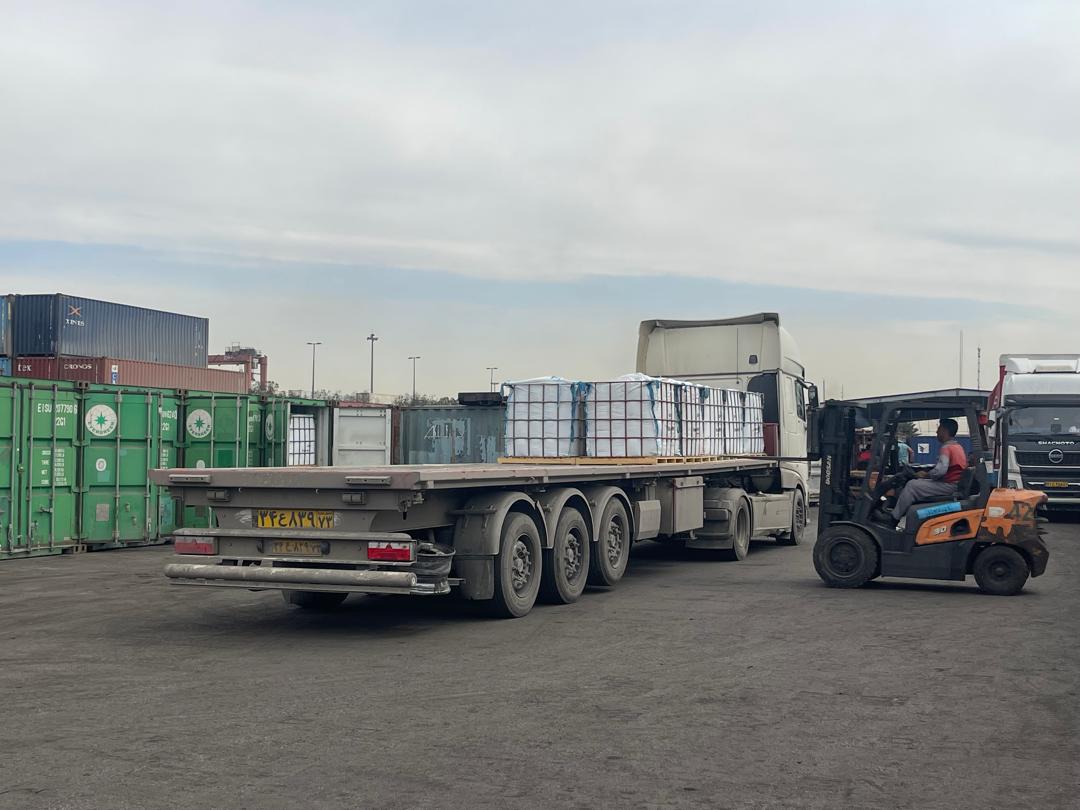
What Buyers Should Evaluate Before Signing a Bitumen Contract
Before choosing a bitumen supplier, buyers should evaluate more than price alone.
Important questions include:
- Does the supplier have direct refinery access?
- Can they provide recent export references?
- How do they handle shipping disruptions?
- What is their average delivery lead time?
- Do they provide FOB and CFR flexibility?
- Can they support urgent shipments?
- How strong is their logistics network?
Professional suppliers should also provide:
- Technical Data Sheets (TDS)
- MSDS documentation
- SGS or third-party inspection support
- Quality analysis reports
- Clear communication channels
These factors help reduce supply chain risk and improve project reliability.
Final Thoughts
On-time delivery has become one of the most important competitive advantages in the global bitumen industry. In large-scale infrastructure projects, delayed shipments can create operational disruptions, financial losses, and long-term contractual problems.
For importers, contractors, and procurement managers across Africa and East Asia, choosing a supplier with proven logistics capability is essential for project success.
While competitive FOB and CFR pricing remains important, reliable execution, transparent communication, and consistent delivery performance are what ultimately separate professional bitumen suppliers from ordinary traders.
As global infrastructure demand continues to grow, buyers are increasingly seeking long-term supply partners that can deliver not only quality bitumen — but also operational certainty.