Hormuz oil exits: Three supertankers slip past the choke point
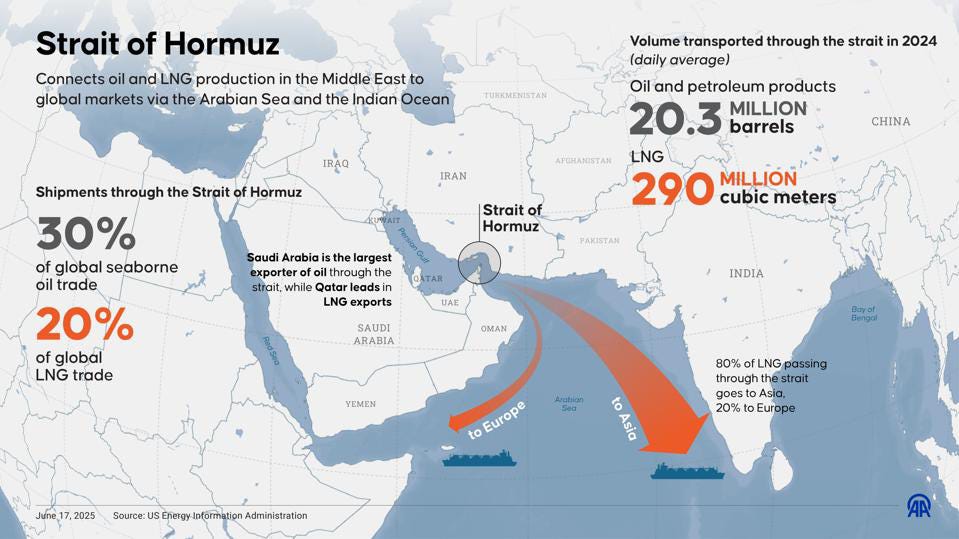
The recent Hormuz oil exits mark a rare breakthrough for vessels navigating the war‑torn waterway.
Three massive tankers, loaded with Iraqi and Emirati crude, managed to turn off their transponders and slip through undetected.
Stealth navigation through a contested corridor
By disabling AIS signals, the ships avoided automatic tracking by regional forces.
The tactic mirrors earlier attempts by merchants to dodge surveillance in conflict zones.
Routes and cargoes revealed
One vessel, carrying Basrah Medium, set a course for Vietnam after two failed tries to leave the strait.
Another tanker, filled with Upper Zakum oil from ADNOC, already off‑loaded its cargo at Fujairah, a port recently hit by an Iranian strike.
A third ship, also bearing Iraqi crude, continues toward an undisclosed destination, keeping its movements opaque.
Broader shipping congestion persists
Kpler data shows dozens of container ships remain stuck in the Hormuz corridor, with only a handful successfully exiting.
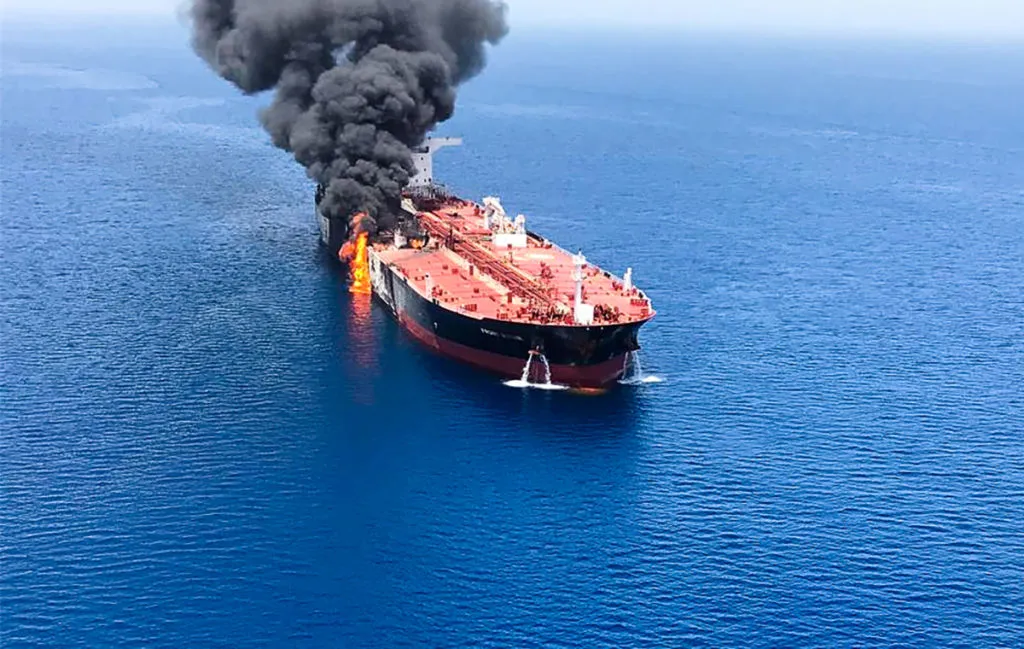
Two vessels have been seized by Iranian authorities, underscoring the lingering risk for commercial traffic.
The bottleneck threatens supply lines for nations heavily reliant on Middle Eastern energy, notably India.
South Korea’s lone breakthrough
In mid‑April, the Malta‑flagged Odessa tanker arrived in Daesan, South Korea, delivering one million barrels of crude.
Its passage represents one of the few successful Hormuz oil exits allowed after the Iranian blockade tightened.
Industry support and outlook
Readers seeking deeper insights can contact Gulf Petro Vision for industry guidance.
Analysts anticipate that selective payments may continue to grease the wheels for future exits.
Conclusion
While the Hormuz oil exits provide a glimpse of hopeful movement, the majority of vessels remain marooned, and uncertainty looms over regional trade flows.