West Coast pipeline seen as key to unlocking Canada’s oil sands growth
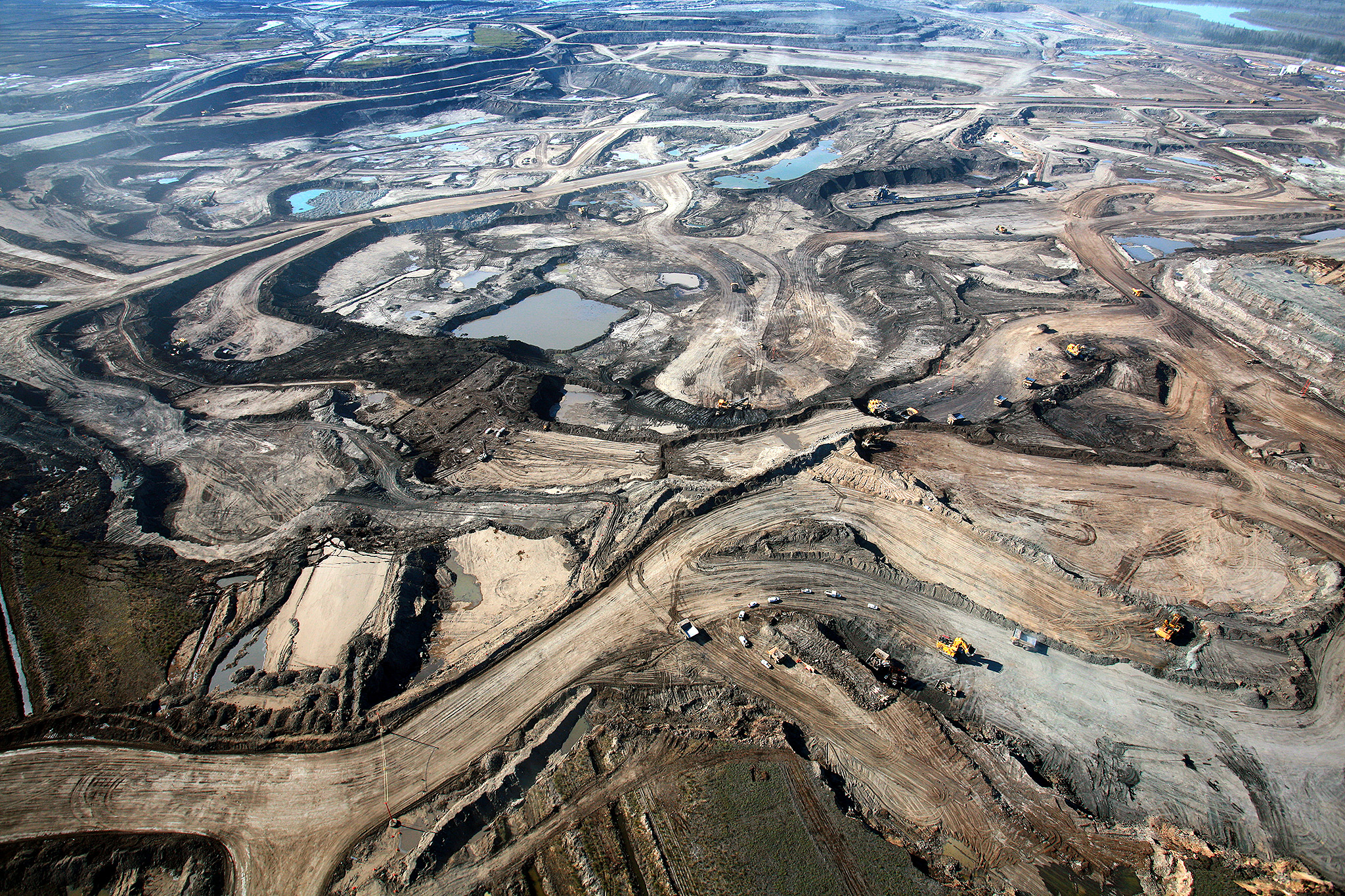
Canadian Natural’s chief executive told investors the sector’s next leap hinges on a West Coast pipeline.
He argued the missing link would let producers ship crude at market prices and fund new projects.
Production already outpacing infrastructure
The company logged 1.64 million barrels of oil equivalent per day in Q1, a modest rise over last year.
Its Jackfish thermal plant hit a record 134,000 barrels per day, surpassing design limits.
Current bottlenecks squeeze profit
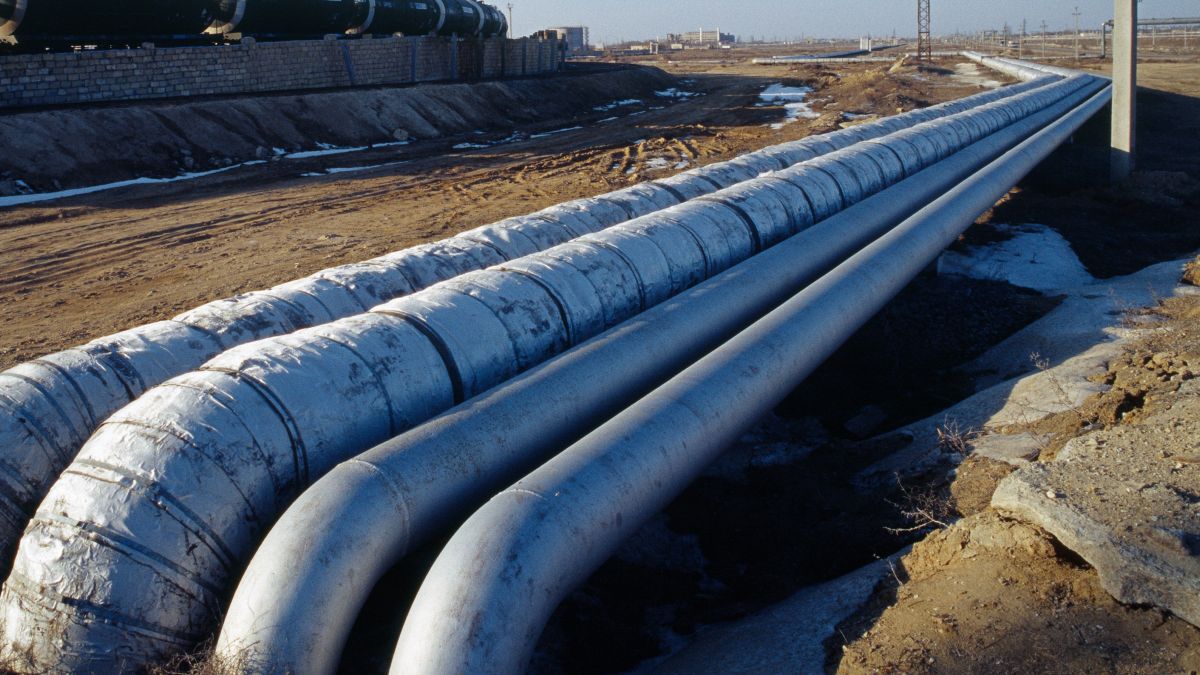
Even with the Trans Mountain expansion online, spare capacity remains scarce.
Producers repeatedly accept discount prices because pipelines can’t move all the oil they pump.
Alternative routes under review
South Bow and Bridger have floated a plan to revive parts of the former Keystone XL corridor, moving roughly 550,000 barrels daily to the U.S.
Enbridge also signals incremental upgrades to its Mainline network, hoping to relieve pressure.
Investment stalled pending certainty
Canadian Natural readied a 150,000‑barrel‑per‑day expansion at its Jackpine site but put it on hold.
Management waits for firm assurances that sufficient takeaway capacity will exist.
Policy and carbon concerns
Ottawa ties any new West Coast pipeline to robust carbon‑capture commitments, complicating negotiations.
Provincial governments are still refining carbon‑pricing frameworks that could affect project economics.
Readers seeking deeper insights can contact Gulf Petro Vision for industry guidance.
Their analysts regularly track pipeline developments and regulatory shifts across the basin.
Conclusion
Without a functional West Coast pipeline, Canada’s oil sands will continue to wrestle with export limits.
Stakeholders hope upcoming policy clarity will finally clear the path for sustained growth.