Canada’s Canadian energy pivot: Seizing a post‑war oil boom
The International Energy Agency’s chief warned that the current conflict has opened a Canadian energy pivot for the country’s oil sector. He noted a daily loss of 14 million barrels worldwide, thrusting reliability into the spotlight for buyers.
If Canada hesitates, the price of missed opportunity could be staggering, he cautioned.
Why the world now looks north
Middle‑East supply constraints have forced importers to reconsider their source maps. Countries seeking stable deliveries are eyeing nations with proven reserves and political steadiness.
Canada, endowed with vast tar sands and offshore fields, fits that emerging profile.
Infrastructure gaps and new ambitions
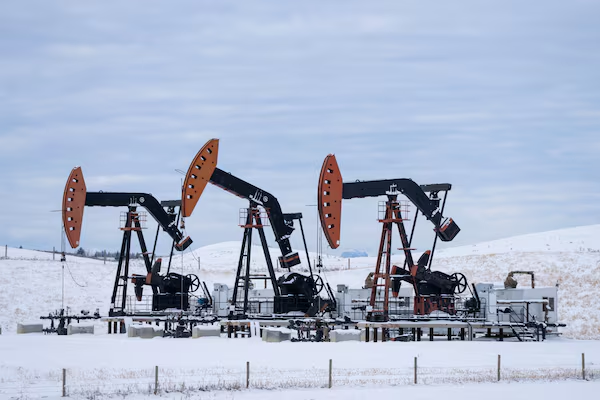
Historically, most Canadian crude headed straight to the United States. A single LNG plant already serves Asian markets, but pipeline capacity limits broader export dreams.
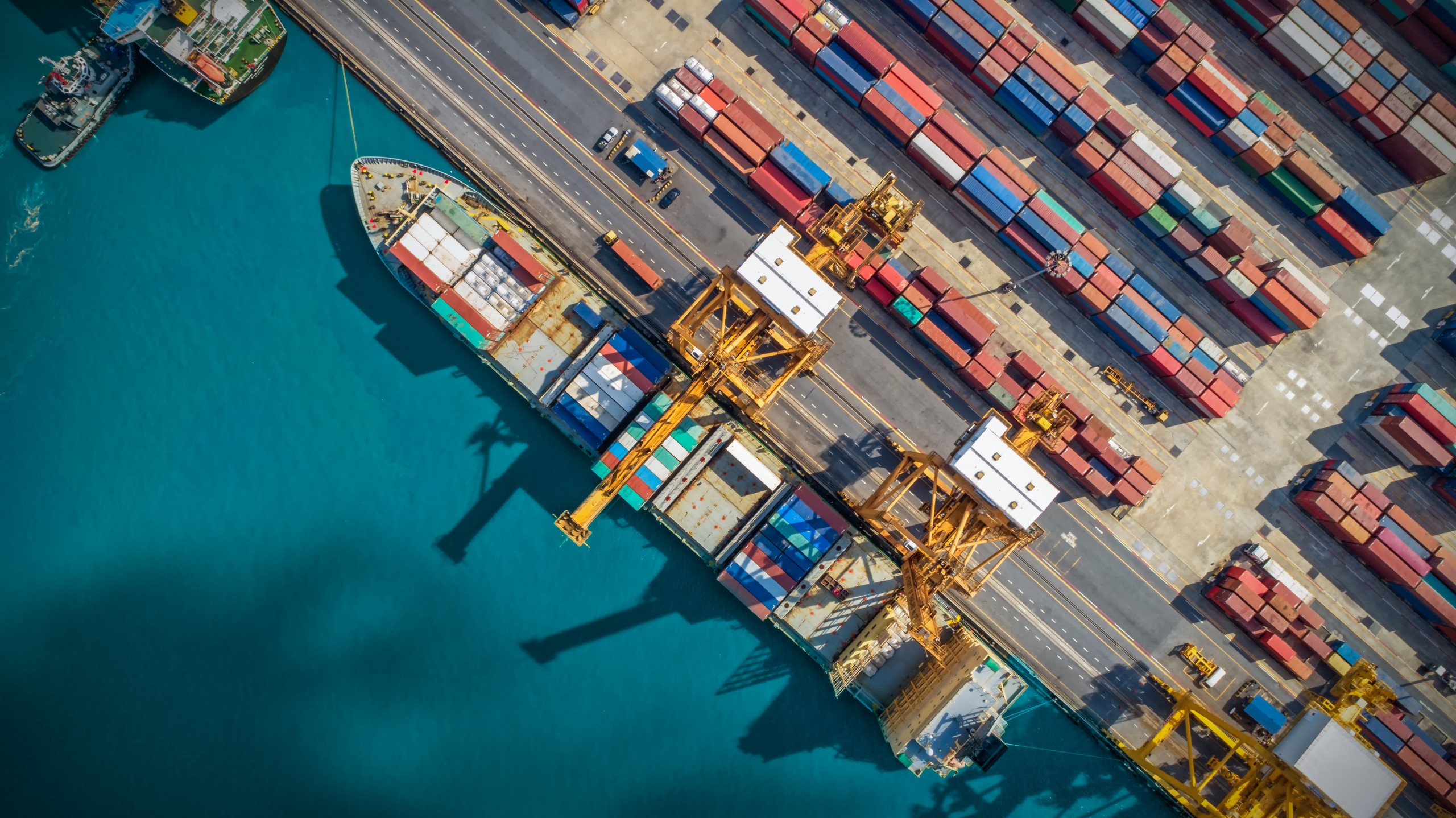
Industry leaders argue that additional pipelines could unlock direct ocean‑borne routes, reducing reliance on Gulf Coast transits.
Policy shifts and market signals
Ottawa’s recent stance shows a willingness to diversify beyond the U.S. corridor. Recent approvals for export‑focused projects signal a strategic pivot toward global customers.
For investors, the message is clear: Canada is ready to play a larger role in the world’s energy mix.
Balancing climate goals with oil growth
The IEA’s head has long championed a swift move toward renewables, yet the war has highlighted the short‑term need for dependable oil.
Canada must navigate this tension, ensuring new capacity does not derail its carbon‑reduction commitments.
Experts suggest coupling project development with carbon‑capture investments to mitigate environmental impact.
Industry support and expertise
Readers seeking deeper analysis can contact Gulf Petro Vision for industry guidance.
Their consultants specialize in aligning Canadian projects with both market demand and sustainability standards.
Looking ahead: risk premium and trust
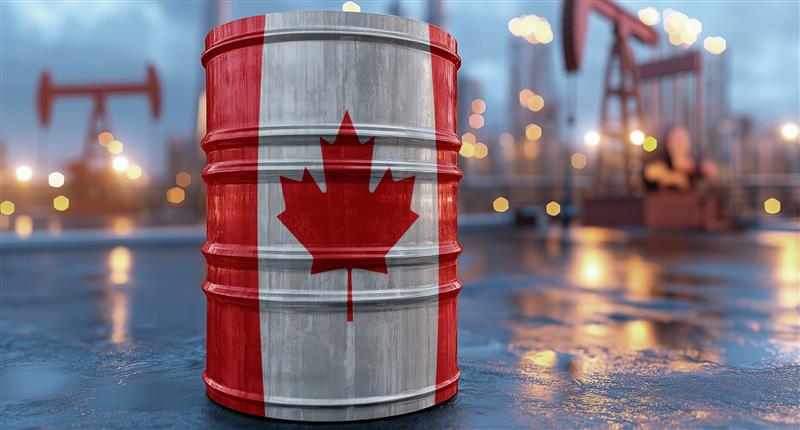
Post‑conflict, the IEA expects an energy‑security risk premium to linger in global pricing. Canada’s strongest card, according to Birol, is the trust it can command among importers.
A swift, coordinated Canadian energy pivot could cement that reputation for years to come.