ASTM & EN Bitumen Standards: Global Framework for Testing, Quality and Performance
Introduction to Bitumen Standards in the Global Market
Bitumen used in road construction, roofing, and industrial applications is a highly regulated material governed by internationally accepted technical standards. These standards define how bitumen is classified, tested, stored, and approved for use in infrastructure projects. The most widely recognized systems are developed by ASTM International in the United States and globally, and the European standards body CEN, which issues EN standards used across Europe and many international markets.
In addition, AASHTO plays a critical role in defining specifications for highway construction materials, especially in North America. Together, these organizations form the backbone of global bitumen quality control and ensure consistency across suppliers, contractors, and governments.

Importance of Standardization in Bitumen Industry
Bitumen performance can vary significantly depending on crude source, refining method, and modification techniques. Without standardization, comparing materials across suppliers would be unreliable. Standards solve this challenge by introducing a common technical language for quality, performance, and safety.
Key benefits include:
- Consistent product quality across regions
- Reliable testing and measurement methods
- Clear acceptance criteria for construction projects
- Improved safety during handling and application
- Reduced risk of premature pavement failure
Key Organizations Defining Bitumen Standards
ASTM International
ASTM International develops detailed technical test methods under the ASTM D-series. These standards cover physical, chemical, and performance properties of bitumen and are widely used in laboratories around the world.
AASHTO Specifications
AASHTO provides material specifications and test procedures used extensively in highway and transportation projects in the United States. Many state-level infrastructure contracts require full compliance with AASHTO guidelines.
European EN Standards
The European system is governed by CEN, which publishes EN standards adopted by EU and EFTA countries. These standards are implemented nationally under designations such as BS EN or DIN EN.
Important examples include:
- EN 12591
- EN 14023

Scope of Bitumen Standards
Bitumen standards cover a wide technical scope that ensures full control over material performance:
1. Classification and Definitions
Standards define and differentiate types of bitumen such as:
- Penetration grade bitumen
- Viscosity grade bitumen
- Polymer-modified binders
- Oxidized (blown) bitumen
- Emulsions and cutback products
2. Grading Systems
Bitumen is classified based on physical behavior or performance requirements. Traditional systems rely on penetration or viscosity, while modern approaches focus more on real-world performance such as rutting resistance and temperature stability.
3. Laboratory Test Methods
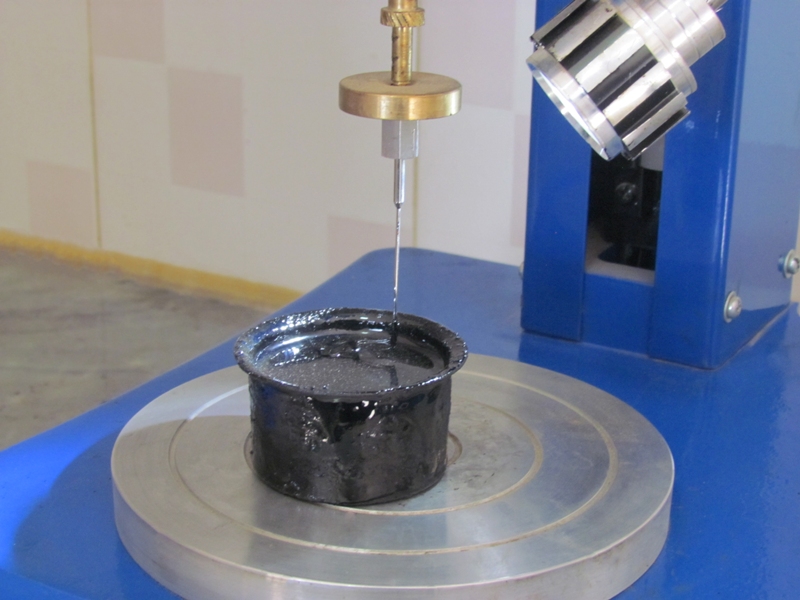
Standardized testing ensures accurate evaluation of material properties, including:
- Penetration resistance
- Softening point determination
- Viscosity measurement
- Flash point safety testing
- Ductility and elasticity
- Aging simulation (RTFOT/PAV methods)
These tests simulate real environmental and traffic conditions to predict field performance.
4. Sampling and Acceptance Criteria
Standards also regulate how samples are collected, handled, and tested to ensure results are representative and consistent. Acceptance limits define whether a batch meets contractual requirements.
5. Safety and Handling Requirements
Bitumen must be heated for processing, making safety a key focus. Standards define maximum heating temperatures, storage conditions, and transport safety requirements to prevent degradation or hazards.

Regulatory and Contractual Importance
Bitumen standards are widely integrated into legal and infrastructure frameworks:
- Government highway tenders reference ASTM, AASHTO, or EN standards
- Airport and runway construction depends heavily on EN compliance
- Environmental regulations use standardized test methods for emissions control
- Transport safety rules rely on flash point and hazard classification tests
These references ensure that material quality is legally enforceable in construction contracts.

Types of Bitumen Covered by Standards
Standards regulate a wide range of products, including:
- Paving grade bitumen for road construction
- Polymer-modified bitumen for high-performance pavements
- Bitumen emulsions for cold application
- Cutback bitumen for low-temperature work
- Industrial and roofing bitumen for waterproofing systems
Each type has dedicated performance and testing requirements.

Role of Laboratories and Certification Systems
Quality control is maintained through accredited testing laboratories operating under frameworks such as ISO/IEC 17025. These labs conduct standardized tests and issue certificates of analysis that verify compliance with ASTM, AASHTO, or EN specifications.

Why Compliance with Standards Is Critical
Following recognized standards ensures:
- Longer pavement lifespan
- Reduced maintenance costs
- Predictable engineering performance
- Lower construction risk
- Reliable supplier comparison
In modern infrastructure development, compliance is not optional—it is a fundamental requirement for project approval and execution.
Industry Trends in Bitumen Standards
The global bitumen industry is gradually evolving toward:
- Performance-based specifications instead of purely empirical tests
- Climate-adapted grading systems for regional durability
- Increased use of recycled and sustainable materials
- Advanced aging prediction methods for longer service life
These trends reflect the shift toward smarter and more sustainable infrastructure design.

Conclusion
Bitumen standards developed by ASTM International, AASHTO, and CEN form the foundation of global quality control in asphalt and road construction. They ensure consistent testing, reliable performance, and safe application across all major infrastructure sectors.
Gulf Petro is committed to supplying high-quality bitumen fully compliant with international standards, including ASTM, AASHTO, and EN specifications. Our products are tested, certified, and engineered to meet the strict requirements of modern infrastructure projects worldwide. Whether you need paving-grade bitumen or specialized modified binders, Gulf Petro provides reliable supply solutions tailored to your project needs. Contact us today to receive expert consultation and secure premium bitumen supply for your next project.