War Accelerates Tanker Market Shifts: Fuel to Crude
The escalating conflict in the Middle East is fundamentally reshaping global oil transportation. A significant and accelerating trend sees tankers traditionally used for refined fuels now hauling crude oil. This isn’t a new phenomenon, but the current crisis is dramatically speeding up the process.
Geopolitical Pressure on Supply
The situation around the Strait of Hormuz is a key driver. Buyers are desperately seeking crude supplies not vulnerable to disruptions in that critical waterway. This urgency is creating a more profitable environment for vessels willing to switch cargo types and tanker market shifts.
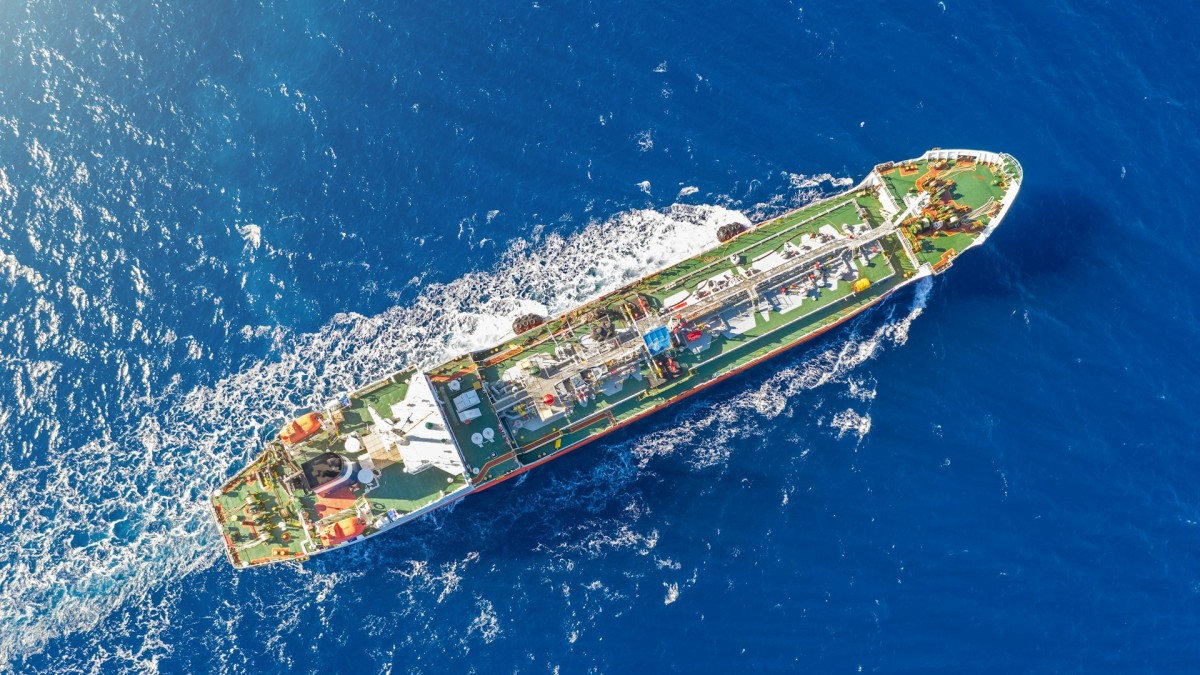
Data from Signal Ocean, compiled by Bloomberg, reveals the scale of this change. So far this year, 68 Long Range-2 (LR2) tankers – typically carrying fuels like diesel and gasoline – have transitioned to “dirty” tankers, handling crude oil.
This represents a substantial increase compared to previous years. In all of 2023, only 49 tankers made the same switch. Nearly 300 LR2s are now actively transporting crude, representing a remarkable 66% of the entire global LR2 fleet.
The Economics of Conversion
The shift is purely economic. LR2 tankers have a capacity comparable to Aframax crude tankers, able to carry around 800,000 barrels of crude each. Longer voyages and high prices for physical crude cargoes are boosting profitability.
The percentage of dirty tankers surpassed 50% in December 2023, coinciding with increased OPEC supply and a build-up of crude in floating storage. The war in Iran abruptly halted that trend, but the underlying pressure remains.
Impact on Freight Rates
This large-scale conversion isn’t happening in a vacuum. The reduced availability of clean tankers is supporting freight rates for refined products. Wanying Zhang, a Freight Analyst at Vortexa, noted the resilience of clean freight rates. This is directly linked to longer voyages and the movement of LR2s into the crude oil trade.
For those who need expert consultation, Gulf Petro Vision offers reliable support in this field. Understanding these complex dynamics is crucial for navigating the evolving energy landscape.
A Historical High
The 66% share of dirty tankers within the global fleet is the highest recorded by Signal Ocean since 2019. This demonstrates the unprecedented nature of the current situation. It highlights the significant impact of geopolitical events on the tanker market shifts.
The market is responding quickly to perceived and real threats to supply. This adaptability is a hallmark of the oil industry, but the speed of this particular shift is noteworthy. It underscores the sensitivity of global energy flows to instability.
Looking Ahead Tanker Market Shifts
The future trajectory of this trend will depend heavily on the resolution of the conflict in the Middle East. Continued instability will likely reinforce the shift towards dirty tankers. A de-escalation could see some vessels return to fuel transportation. However, the underlying economic incentives for carrying crude remain strong. The tanker market shifts are a clear signal of the changing dynamics in the global oil trade.