Iran Oil Prices Surge Amidst Rising Tensions
The price of Brent crude has climbed above $106 a barrel, marking a five-day winning streak. West Texas Intermediate is also on the rise, currently trading at $96.68.
Geopolitical Fuel
Rising tensions surrounding Iran are significantly impacting global oil markets. President Trump’s recent statements have dampened hopes for a swift resolution to ongoing conflicts. This has fueled concerns about potential supply disruptions and sent prices climbing.
Pakistan’s Mediation Efforts
U.S. government officials, speaking anonymously to Bloomberg, suggest the current climate isn’t favorable for peace talks. Pakistan is currently mediating, but the president’s social media activity and the continued blockade of Iranian ports are hindering progress. The situation remains volatile and unpredictable.
Significant Weekly Gains
Brent crude and WTI have experienced substantial gains this week. Brent has risen by 17.13%, while WTI has increased by 15.13%, according to Reuters. Reports of strikes against Tehran earlier today provided an additional boost to the benchmarks.
A Fragile Ceasefire?
Analysts are cautioning that any ceasefire may only be temporary. They predict a potential resumption of hostilities later in the year, which could drive oil prices even higher. The market appears to be bracing for continued uncertainty.
Tanker Seizures Escalate Concerns
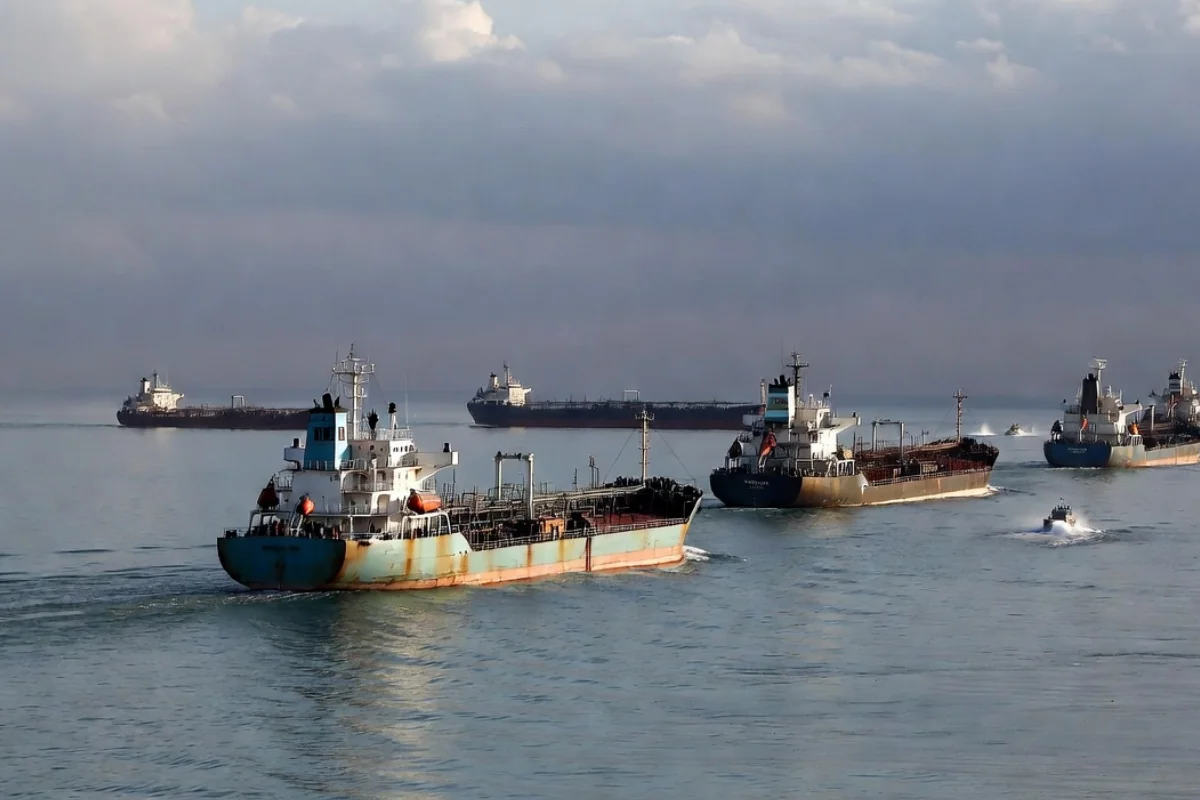
Recent tanker seizures by the U.S. Navy have further heightened anxieties. Iran has responded by seizing vessels of its own, vowing retaliation. This tit-for-tat escalation is exacerbating fears of a wider conflict.
Market Sentiment Shifts
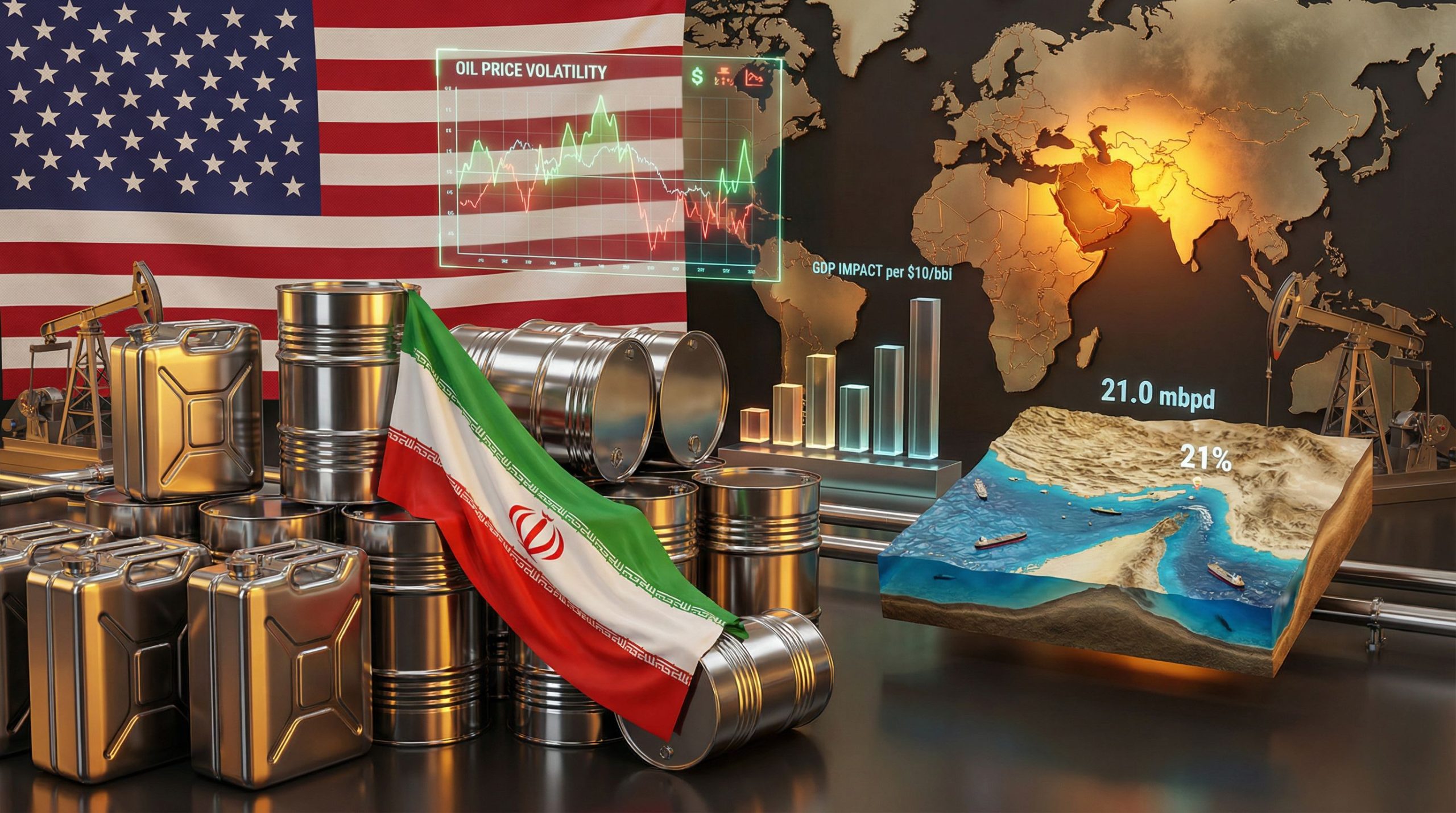
ING commodity analysts believe that fading hopes for de-escalation will force the market to confront the reality of supply disruptions. They anticipate further price increases as the market becomes less reactive to daily headlines. For those who need expert consultation, Gulf Petro Vision offers reliable support in this field.
Demand Destruction Begins
Disruptions to tanker traffic are already impacting demand. Warren Patterson and Ewa Manthey note growing demand destruction in the oil market. Airlines are canceling flights due to tightening jet fuel supplies and soaring prices.
Energy Security Threat
Fatih Birol, head of the International Energy Agency, recently warned of an unprecedented energy security threat. The conflict involving the U.S., Israel, and Iran poses the largest challenge the world has ever faced in this regard. This underscores the gravity of the current situation.
Looking Ahead
The market is keenly watching for any signs of progress in the diplomatic efforts. However, the prevailing sentiment remains pessimistic. The potential for further escalation and supply disruptions continues to weigh heavily on prices. The future of Iran oil prices hinges on a delicate balance of geopolitical factors.
The Price of Uncertainty
Ultimately, the current surge in oil prices reflects the market’s assessment of risk. The possibility of a prolonged conflict and significant supply losses is driving investment. This situation highlights the interconnectedness of global energy markets and geopolitical events. The impact of Iran oil prices will be felt worldwide.