US Asphalt Market Stalls as Crude Oil Rally Disrupts Pricing Dynamics
Introduction: A Market Caught Between Cost Pressure and Weak Demand
The United States asphalt market has entered a period of hesitation as it grapples with the rapid escalation in crude oil prices triggered by intensifying geopolitical tensions in the Middle East. A sharp rise in benchmark crude values has unsettled pricing structures across oil-derived products, leaving asphalt buyers cautious and producers reassessing their strategies.
While crude oil has surged significantly in recent days, asphalt prices have not followed the same upward trajectory. This disconnect has created an unusual imbalance in the market, forcing participants on both sides—buyers and refiners—to pause and evaluate their next moves.
Crude Oil Surge Reshapes Market Sentiment
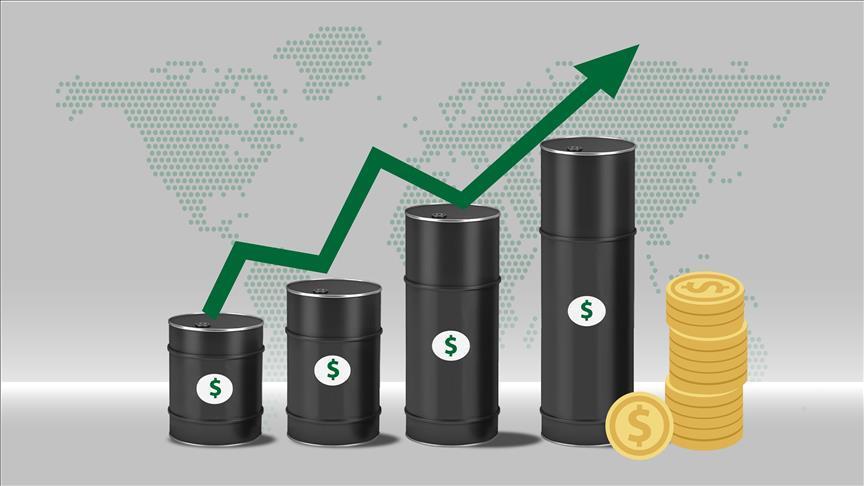
Global oil markets have reacted strongly to the ongoing military conflict involving the United States and Israel against Iran. As the situation escalated into its sixth day in early March, crude prices climbed rapidly, with Brent crude exceeding the $80 per barrel mark for the first time in over a year.
This sharp increase represents an approximate 18% gain since late February, reflecting heightened concerns about supply disruptions and shipping risks in key transit routes. The geopolitical uncertainty has injected volatility into the broader energy complex, influencing not only crude but also downstream products like asphalt.
For asphalt producers, the rise in crude translates directly into higher feedstock costs. However, the ability to pass these costs on to buyers has been limited due to seasonal and structural factors.

Asphalt Prices Lag Behind Rising Crude Costs
Despite the strong rally in crude oil, asphalt prices in the US have remained relatively subdued. One of the primary reasons is the seasonal slowdown in demand. Early March typically falls before the peak paving season begins, meaning consumption levels are still low.
Additionally, many buyers entered the month with sufficient inventory levels. Storage tanks across various regions remain well-stocked, reducing the urgency to procure additional volumes at higher prices. This has effectively dampened upward pressure on asphalt pricing.
Current valuations illustrate this gap clearly. Asphalt prices along the US Gulf Coast are hovering at roughly 64% of Brent crude values, while prices in the northeastern region are slightly higher at around 67%. Historically, this ratio tends to be closer to 90% during the same period, highlighting the extent of the current divergence.
Refiners Adjust Output Amid Margin Pressure
The widening gap between crude costs and asphalt prices has placed refiners in a challenging position. Producing asphalt under these conditions often leads to reduced margins, prompting some operators to reconsider their production strategies.
In several regions, refiners have already begun scaling back asphalt output. Instead of increasing supply into a weak pricing environment, they are opting to limit production until market conditions improve. This approach is aimed at preventing further downward pressure on prices and protecting profitability.
Freight costs and bunker fuel prices have also surged, adding another layer of financial strain. The combination of higher input costs and elevated transportation expenses has made asphalt production less attractive compared to alternative refining outputs.
Supply Constraints Emerge in the Midcontinent
In the US midcontinent region, market dynamics have taken a slightly different turn. Some suppliers have chosen not to adjust their mid-month rail pricing, maintaining previously agreed rates for March shipments. However, this does not indicate stable supply.
On the contrary, several producers have indicated that additional volumes will not be available at those earlier negotiated prices. This signals tightening supply conditions, even as overall demand remains muted.
Buyers in this region are therefore facing a dual challenge: limited availability of extra material and uncertainty about future pricing. This has contributed to the broader market hesitation observed across the country.

Alternative Refining Options Gain Appeal
As asphalt margins come under pressure, refiners are increasingly exploring more profitable alternatives. One such option is the production of petroleum coke through coking processes. Recent data shows that coker yields have become significantly more lucrative compared to asphalt production.
In fact, coker outputs have been trading at a premium of nearly $100 per short ton above asphalt, making them a far more attractive option for refiners seeking to maximize returns.
Another alternative is blending asphalt into fuel oil. This strategy has gained traction as fuel oil values rise alongside crude prices. When Brent crude crossed the $80 threshold, the value of asphalt as a blending component surged into the $300 per barrel range, further incentivizing refiners to divert material away from traditional asphalt markets.

Retail Market Braces for Price Volatility
The impact of these upstream dynamics is beginning to filter down to the retail level. Asphalt distributors and retailers are increasingly aware of the potential for rapid price changes in the near future.
Reports indicate that several retailers have proactively reached out to customers, issuing warnings about possible price increases. These communications often emphasize the volatility in crude markets and the likelihood that asphalt prices will eventually adjust upward.
Such preemptive measures are designed to manage customer expectations and reduce the risk of disputes as market conditions evolve. For contractors and end-users, this signals the importance of planning ahead and considering procurement strategies carefully.
Arbitrage Opportunities Attract Trader Interest
The disparity between US asphalt prices and those in other regions has not gone unnoticed. Traders have begun exploring arbitrage opportunities, aiming to capitalize on the relatively lower prices in the US market.
For example, asphalt from the US Gulf Coast has recently been priced significantly below comparable material in the Mediterranean region. This price gap creates the potential for profitable exports, provided logistical and contractual conditions can be met.
However, executing such arbitrage strategies is not straightforward. Limited supply availability and reluctance from US refiners to increase production pose significant challenges. Many producers are targeting higher price levels before committing additional volumes, which restricts the flow of material into export markets.

Global Market Influences Intensify Pressure
International developments are also playing a crucial role in shaping market expectations. In Asia, particularly in southern China, major suppliers are anticipated to reduce asphalt exports due to disruptions in feedstock availability.
At the same time, export prices from key trading hubs like Singapore have risen sharply. This tightening of supply in the Asian market could open new trade routes from the Americas, especially if price differentials remain favorable.
Market participants are already preparing for potential supply shortages in April, which could further elevate global prices. These developments add another layer of complexity to the US market, as domestic pricing becomes increasingly influenced by international trends.
Freight Costs and Logistics Add to Market Complexity
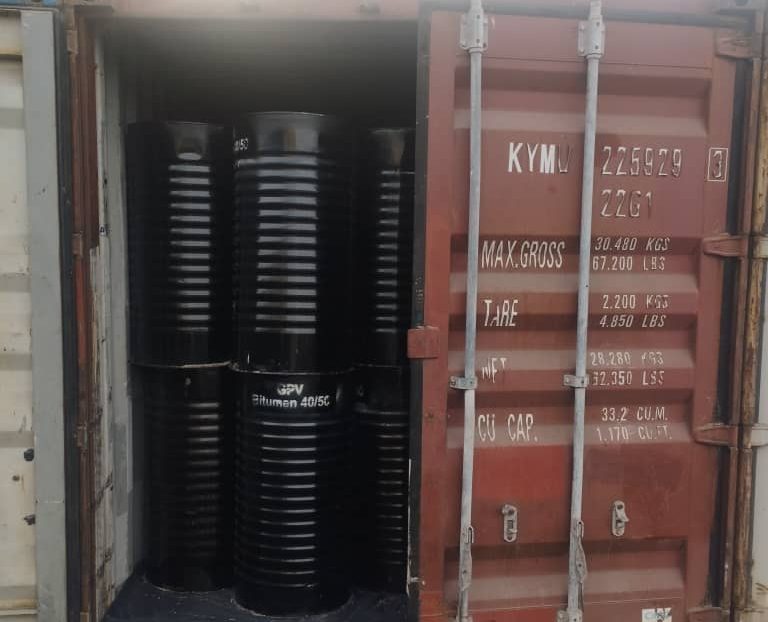
Transportation costs have become a significant factor in the current market environment. Rising bunker fuel prices have pushed shipping costs to elevated levels, making long-distance trade less economical in some cases.
For asphalt, which is already a relatively low-margin product, higher freight expenses can quickly erode profitability. This has implications for both domestic distribution and international exports.
As a result, market participants must carefully evaluate logistics when considering new deals. The interplay between price differentials and transportation costs will ultimately determine the feasibility of many trading opportunities.
Market Outlook: Uncertainty Dominates the Near Term
Looking ahead, the US asphalt market is expected to remain in a state of uncertainty. Several key factors will influence its trajectory:
- The direction of crude oil prices, particularly in response to geopolitical developments
- The timing and strength of seasonal demand as paving activity increases
- Refiners’ production decisions and their willingness to supply additional volumes
- Global supply dynamics, especially in Asia and the Mediterranean
If crude prices remain elevated, upward pressure on asphalt prices is inevitable. However, the pace and extent of this adjustment will depend largely on demand recovery and inventory levels.

Strategic Considerations for Market Participants
In this complex environment, both buyers and sellers must adopt flexible strategies. Buyers may benefit from securing volumes early if they anticipate price increases, while sellers need to balance production decisions with market signals.
Risk management will be critical, particularly in managing exposure to price volatility. Monitoring global trends, including developments in crude markets and international trade flows, will be essential for making informed decisions.

Conclusion: A Market in Transition
The current pause in the US asphalt market reflects a broader transition driven by external shocks and internal imbalances. The sharp rise in crude oil prices has disrupted traditional pricing relationships, creating challenges for both producers and consumers.
While the market is temporarily subdued, underlying pressures are building. As demand picks up and supply constraints become more pronounced, a realignment of prices appears likely.
Until then, caution and adaptability will define the behavior of market participants navigating this uncertain landscape.