Strait of Hormuz Disruptions Keep Oil Prices High Despite Ceasefire
Introduction
Global oil markets remain under pressure as disruptions in the Strait of Hormuz continue to restrict energy flows. Although a ceasefire between the United States and Iran has reduced immediate geopolitical tensions, oil prices are still hovering close to $100 per barrel.
The main reason is clear: the Strait of Hormuz is not fully operational, and tanker movement remains limited and tightly monitored. This situation is preventing a meaningful recovery in global oil supply.
Why the Strait of Hormuz Matters for Oil Prices
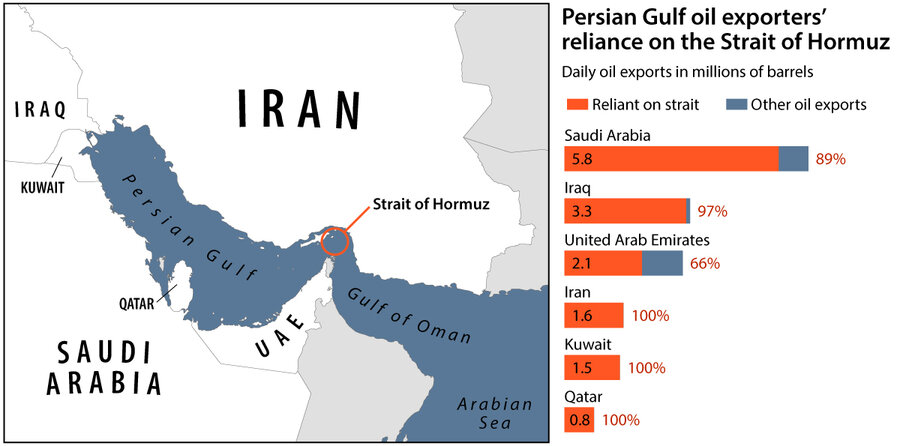
The Strait of Hormuz is one of the most critical energy corridors in the world. A significant portion of global crude oil and liquefied natural gas passes through this narrow passage.
When disruptions occur:
- Global oil supply tightens
- Shipping risks increase
- Oil prices rise rapidly
Even partial restrictions can create strong upward pressure on markets.
Ceasefire Fails to Restore Market Confidence
While the ceasefire initially led to optimism, the reality on the ground tells a different story.
Although tensions have temporarily eased:
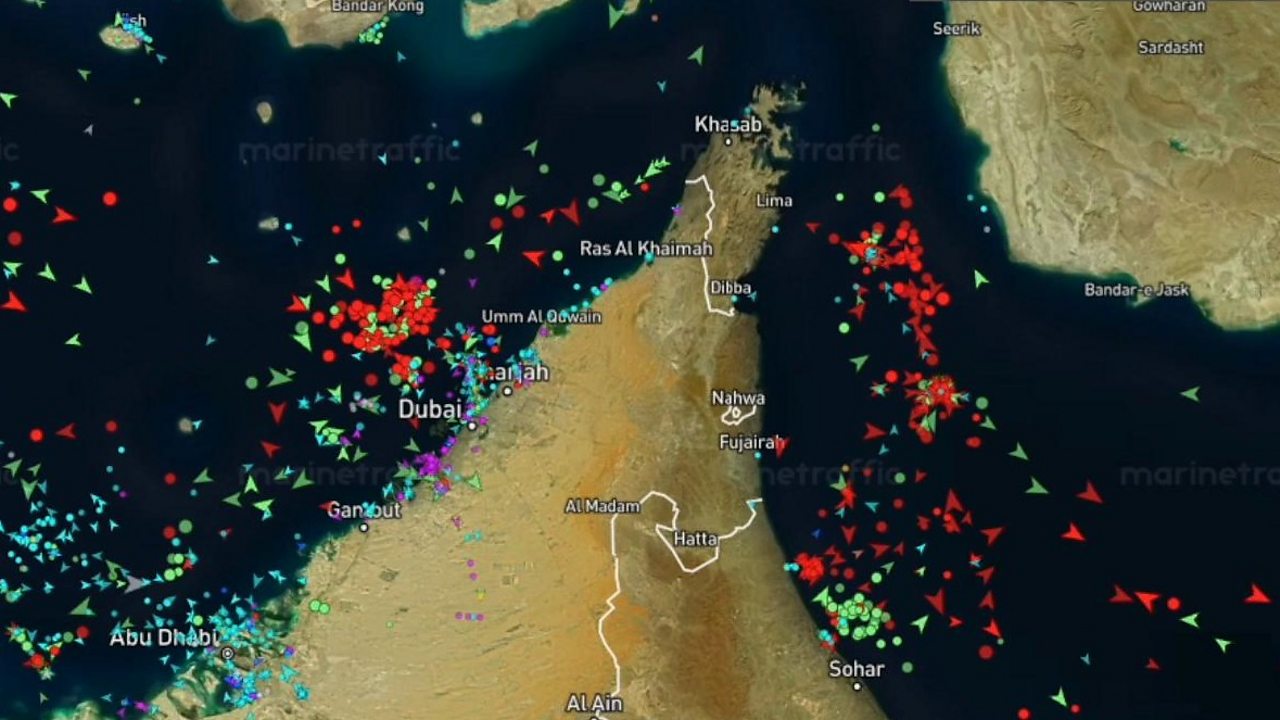
- Commercial shipping routes remain restricted
- Vessel movements are still controlled and limited
- Normal trading conditions have not resumed
As a result, oil markets continue to price in a supply risk premium, keeping prices elevated.
Controlled Transit Keeps Supply Constrained
Instead of returning to standard shipping operations, tanker movements through the region are being carefully managed. This has created:
- Reduced vessel traffic
- Slower supply chains
- Increased uncertainty for traders
Major shipping companies are taking a cautious approach. Many are delaying or reassessing routes based on security risks and lack of reliable information.
Oil Prices Remain Near $100 Per Barrel
Despite a short-term drop following the ceasefire announcement, oil prices have stabilized at high levels.
Key reasons include:
- No full reopening of shipping lanes
- Ongoing geopolitical uncertainty
- Continued supply disruptions
Benchmarks like Brent Crude Oil remain under upward pressure as traders anticipate prolonged constraints.
Shipping and Logistics Add More Pressure
The uncertainty in the region has directly impacted global shipping operations:
- Tanker availability is limited
- Insurance costs have increased
- Freight rates remain volatile
Even companies willing to operate in the region are proceeding carefully, which slows down overall oil movement.

Recovery Could Take Months
Even if the situation improves quickly, the oil market will not recover overnight.
Energy analysts suggest that:
- Supply chains need time to normalize
- Storage and infrastructure must stabilize
- Shipping confidence must return
This means oil supply recovery could extend well into the coming months.
Market Outlook: What Happens Next?
The future of oil prices depends heavily on developments in the Strait of Hormuz.
Scenario 1: Strait Reopens Fully
- Oil supply increases
- Prices gradually decline
- Market stability improves
Scenario 2: Restrictions Continue
- Supply remains tight
- Prices stay elevated or rise further
- Market volatility increases
Analysts warn that prolonged disruption could push oil prices even higher.
Economic Impact of High Oil Prices
Sustained high oil prices can have serious global consequences:
- Slower economic growth
- Increased inflation
- Pressure on fuel costs worldwide
If oil prices remain around or above $100, major economies may face reduced growth momentum.
Conclusion
The Strait of Hormuz oil prices dynamic remains the key driver of the current market situation. While the ceasefire has reduced immediate conflict risks, it has not resolved the core issue—restricted energy flows through one of the world’s most important oil routes.
As long as transit remains limited, oil markets will continue to experience tight supply and elevated prices. For traders, policymakers, and businesses, monitoring developments in this strategic region is essential for understanding future market movements.