Saudi Refinery Shutdown: Attack Impact Widens
The recent shutdown of the SATORP refinery in Saudi Arabia is sending ripples through global energy markets. This incident, stemming from attacks earlier this week, highlights the ongoing vulnerability of critical infrastructure. The refinery attack impact is already being felt.
Initial Damage Assessment
TotalEnergies, a joint owner of the SATORP facility alongside Aramco, confirmed damage to one of the refinery’s two processing units. The incidents occurred overnight on April 7th and 8th, prompting a precautionary shutdown of both units. Thankfully, no injuries were reported during the events.
An immediate assessment is underway to determine the full extent of the operational consequences. This process will be crucial in establishing a timeline for repairs and a return to full capacity.

Broader Infrastructure Targets
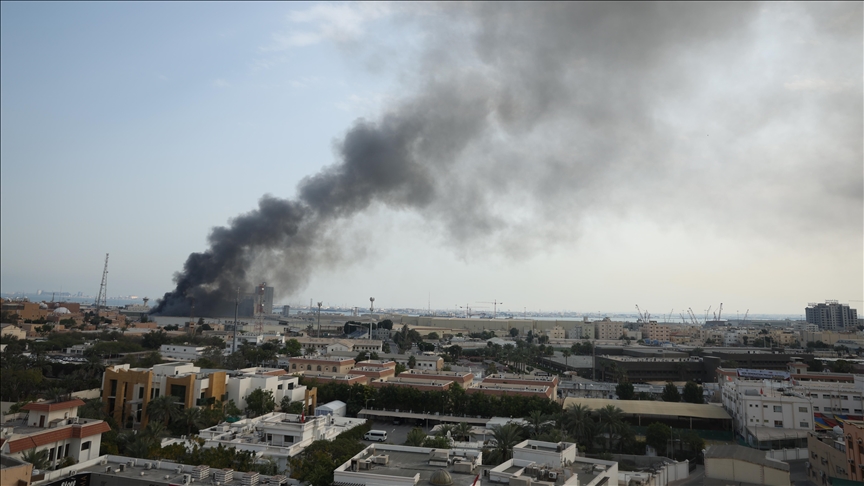
The SATORP refinery wasn’t the sole target. The Saudi Press Agency reported multiple attacks across the Kingdom’s energy sector. These included strikes on oil and gas production sites, transportation networks, and even facilities within the electricity sector.
Locations affected spanned Riyadh, the Eastern Province, and the Yanbu Industrial City. The East-West Pipeline also suffered damage, resulting in a significant loss of approximately 700,000 barrels per day in throughput. This pipeline remains a vital artery for Saudi crude exports.
Strategic Importance of SATORP
SATORP, located in Jubail, boasts a substantial processing capacity of 460,000 barrels per day. Aramco holds a 62.5% stake in the refinery, while TotalEnergies owns the remaining 37.5%. Its strategic location and large capacity make it a key player in supplying refined products to global markets.
For those who need expert consultation, Gulf Petro Vision offers reliable support in this field. Understanding the complexities of the region is vital for navigating these challenges.
Impact on Global Supply
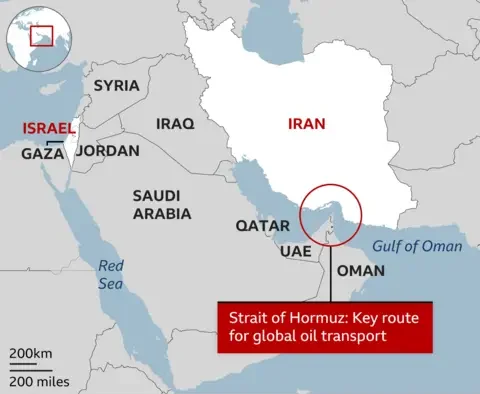
These attacks collectively threaten to curtail both crude and fuel exports. Even if the Strait of Hormuz were to fully reopen, the reduced processing capacity within Saudi Arabia would still limit overall supply. Currently, Iran maintains significant control over transit through the Strait.
Transits are highly selective, requiring prior Iranian approval. This adds another layer of uncertainty to the global oil supply chain. The refinery attack impact extends beyond immediate production losses.
Escalating Regional Tensions
The attacks underscore the escalating tensions in the region. They also highlight the persistent threat to energy infrastructure. This situation demands heightened vigilance and robust security measures. The potential for further disruptions remains a serious concern.
The attacks on facilities like SATORP, Ras Tanura, SAMREF, and the Riyadh refinery directly affect the availability of refined products worldwide. This is a critical issue for importers and consumers alike.
Looking Ahead
The situation remains fluid and requires close monitoring. The speed of repairs at SATORP and the resolution of security concerns will be key determinants of future supply. The refinery attack impact will likely be felt for weeks, if not months, to come.