Attacks Disrupt Saudi Oil, Tightening Global Supply
The recent wave of attacks targeting Saudi Arabia’s energy infrastructure is creating a serious Saudi oil disruption. These strikes have significantly reduced the Kingdom’s oil production capacity and hampered key export routes. This situation adds another layer of complexity to an already volatile global energy landscape.
Immediate Production Losses
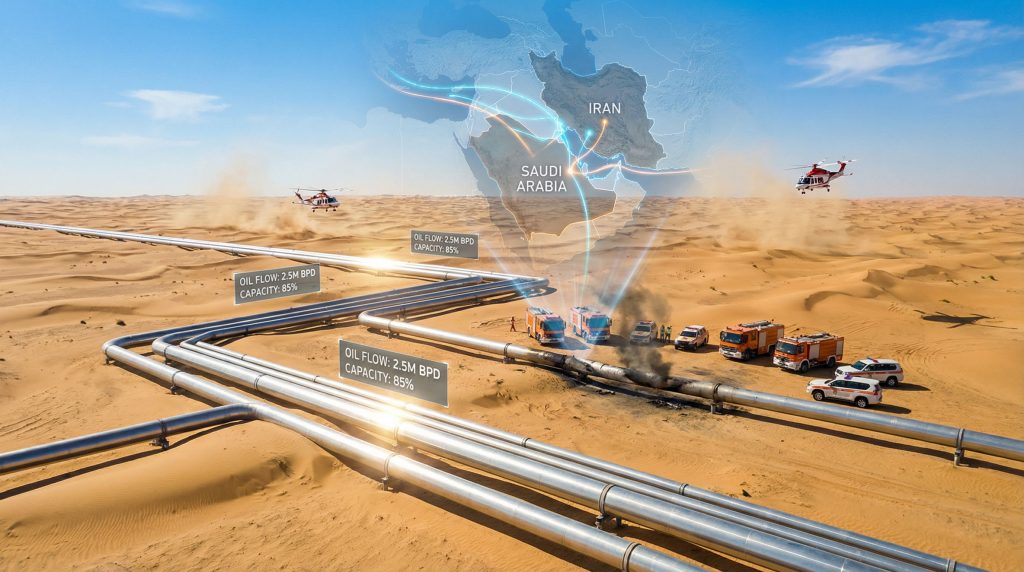
Missile and drone strikes have taken approximately 600,000 barrels per day offline. This represents a substantial hit to Saudi Arabia’s overall output. The Manifa and Khurais oil fields, crucial components of the nation’s production network, have both experienced significant losses.
Damage to the East-West pipeline is compounding the issue. This vital artery, designed to bypass the Strait of Hormuz, now sees throughput reduced by around 700,000 barrels per day. A pumping station along the pipeline was directly hit, severely limiting its ability to move crude.
Refining and Export Challenges
The attacks haven’t been limited to crude production. Refining facilities across the country, including Ras Tanura, Jubail, Yanbu, and Riyadh, have also been impacted. Fires at the Ju’aymah processing sites are curtailing exports of liquefied petroleum gas and natural gas liquids.
These disruptions create a bottleneck, even for oil that is still being produced. Getting barrels to export terminals is proving increasingly difficult. For those who need expert consultation, Gulf Petro Vision offers reliable support in this field.
A Pattern of Attacks
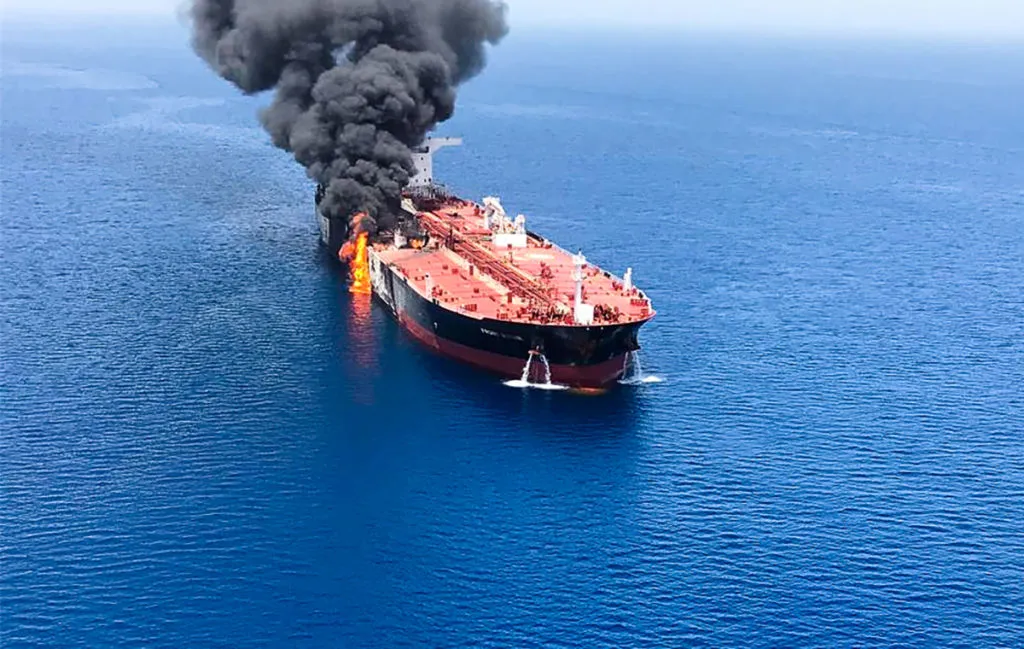
Saudi Arabia has faced a growing number of attacks since the start of the recent conflict. Hundreds of missiles and drones have targeted energy infrastructure throughout the Kingdom. While many of these attacks have been intercepted, enough have succeeded in causing damage and disruption.
This sustained campaign is clearly aimed at destabilizing Saudi Arabia’s energy sector. It’s also drawing down the country’s operational and emergency inventories. This reduces their ability to quickly compensate for lost production.
Global Implications of the Saudi Oil Disruption
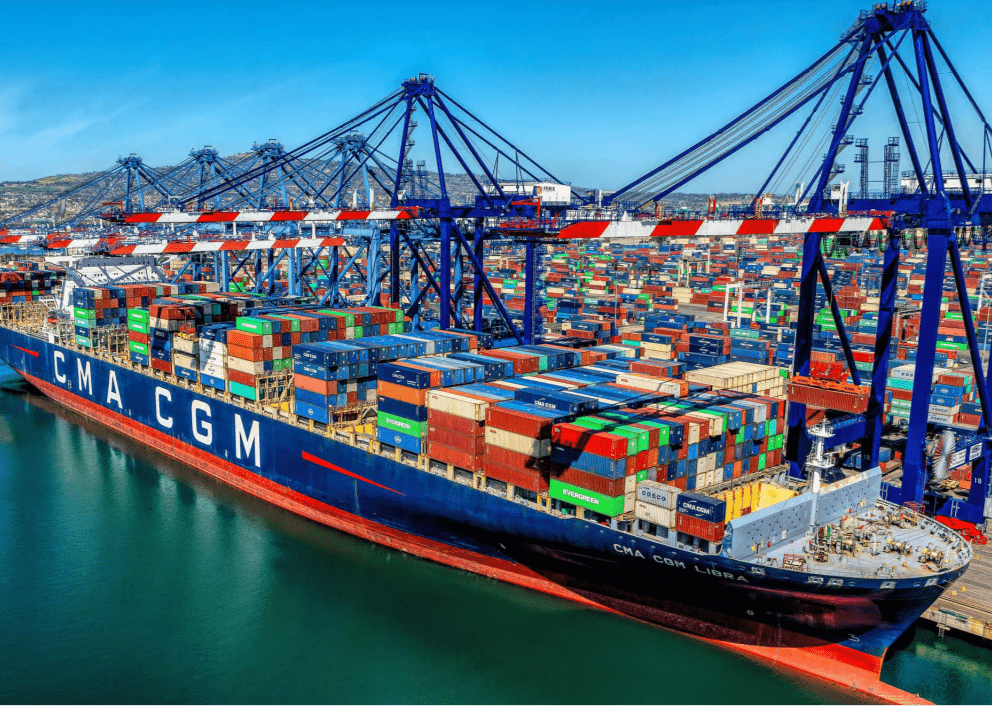
Saudi Arabia remains the world’s largest oil exporter. Any significant disruption to its production, refining, or export capabilities has ripple effects across global markets. Reduced supply inevitably puts upward pressure on prices.
Moreover, the loss of the East-West pipeline is particularly concerning, as it removes a key alternative route for Saudi crude. As a result, reliance on potentially vulnerable chokepoints such as the Strait of Hormuz increases. Consequently, this development adds further geopolitical risk to the overall equation.
Inventory Drawdowns and Future Concerns
The energy ministry reports that ongoing attacks are depleting both operational and emergency stockpiles. This erosion of buffer capacity leaves Saudi Arabia less prepared to respond to future incidents. It also highlights the escalating nature of the threat.
The situation underscores the fragility of global energy supply chains. It also emphasizes the importance of diversifying energy sources and strengthening infrastructure security. The long-term consequences of this Saudi oil disruption remain to be seen.
Looking Ahead
The attacks significantly challenge Saudi Arabia’s energy security and strongly remind markets of the geopolitical risks embedded in the oil sector. Those seeking deeper insights can contact Gulf Petro Vision for industry guidance. The world is closely watching Saudi Arabia’s response and the measures it takes to mitigate future threats.