Asphalt Cement AC-20: The Ultimate Guide to Durable and Flexible Road Construction
What Is Asphalt Cement AC-20?
Contractors widely use Asphalt Cement AC-20 (AC Standard 20), a medium-viscosity bitumen grade, for road construction and maintenance. It performs exceptionally well in moderate to hot climates, delivering strong adhesion, durability, and flexibility.
AC-20 bitumen binds aggregate materials in asphalt pavements, ensuring smooth workability during construction and resisting deformation under heavy traffic.
Its consistent performance and long-lasting results make AC-20 a preferred choice for highways, urban roads, and maintenance projects.

Why Is AC-20 Bitumen a Preferred Choice for Road Construction?
When building or maintaining roads, the choice of asphalt binder directly impacts performance, durability, and cost-effectiveness. AC-20 bitumen offers a combination of properties that make it versatile for various construction conditions.
Here’s why it stands out:
- Excellent binding strength: Ensures strong adhesion to aggregates, minimizing pavement fatigue and rutting.
- Balanced viscosity: Provides the right workability during mixing and compaction.
- Thermal stability: Maintains performance even in high-temperature regions.
- Long service life: Resistant to cracking, oxidation, and water damage.
In essence, AC-20 asphalt cement is engineered to handle traffic loads and environmental stress while offering flexible handling during road construction and repair works.

Understanding the Composition and Nature of AC-20 Bitumen
AC-20 bitumen is derived from refined petroleum. Its consistency is defined by viscosity — measured at specific temperatures — and is categorized under ASTM D3381 standards.
This asphalt cement contains a blend of complex hydrocarbons with minor quantities of sulfur, nitrogen, and oxygen compounds. These attributes give AC 20 its unique balance of elasticity and stiffness — essential for roads exposed to both heat and heavy traffic.
AC-20 is classified as a medium-viscosity binder, meaning it maintains a semi-solid state at ambient temperature and becomes more workable when heated, making it ideal for hot mix asphalt (HMA) production.
Major Uses of AC 20 Bitumen
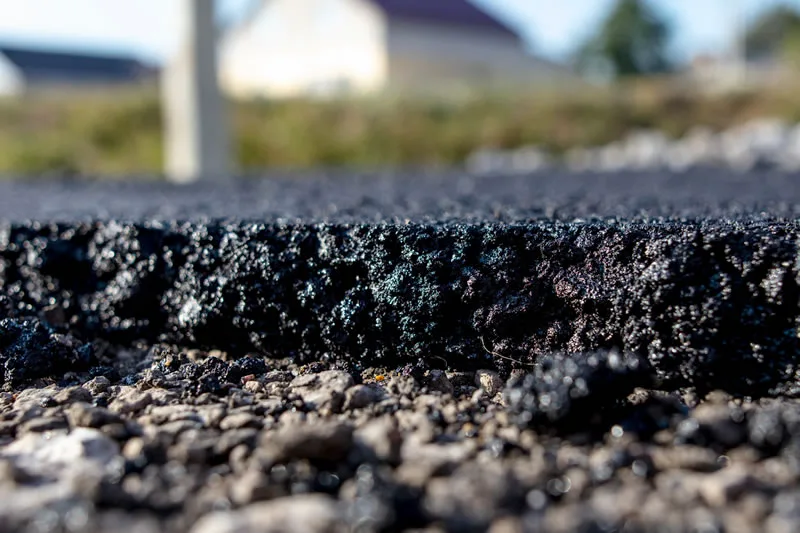
AC-20 is used across a wide range of pavement applications in regions with moderate to hot climates. Its versatility allows it to function effectively in both construction and maintenance.
1. Hot Mix Asphalt (HMA) for Moderate Climates
One of the most common uses of AC-20 is in hot mix asphalt production. The asphalt mix provides a smooth, durable surface capable of withstanding high traffic volumes and temperature variations.
Its medium viscosity ensures aggregate coating and compaction during mixing, resulting in a pavement with excellent strength and resistance to deformation.
2. Urban and Rural Roads
AC-20 is suitable for both urban and rural infrastructure where traffic density ranges from light to heavy. It provides an excellent balance between flexibility and stiffness, reducing the risk of cracks and surface irregularities. Its adaptability makes it the go-to option for municipal and regional development projects.
3. Bituminous Macadam and Semi-Dense Mixes
In bituminous macadam and semi-dense bituminous concrete (SDBC) layers, AC-20 acts as a reliable binding medium. It ensures structural integrity and moisture resistance, extending the pavement’s lifespan even under diverse weather conditions.
4. Road Maintenance and Repairs
Beyond new construction, AC 20 is equally effective for maintenance. Its flexibility and binding properties make it suitable for patching, overlaying, and resurfacing, restoring lost pavement strength and functionality.
Key Benefits and Features of AC 20 Asphalt Cement
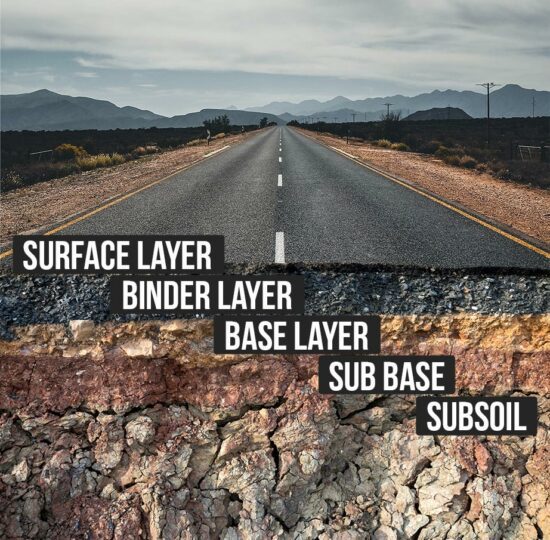
When selecting the right asphalt binder, engineers must carefully evaluate product characteristics. AC Standard 20 delivers optimal performance, easy handling, and long-lasting durability.
1. Medium Viscosity for Stability and Workability
AC-20’s viscosity — ranging from 1600 to 2400 poise at 60°C — strikes the perfect balance between flow and firmness. It ensures smooth mixing and compaction without compromising on long-term performance.
Viscosity determines how the bitumen behaves during application:
- Too high: Hard to apply and compact.
- Too low: Pavement softens under heat and traffic.
AC-20’s balanced viscosity makes it ideal for moderate to hot climates, providing construction efficiency and structural resilience.
2. Strong Adhesion and Binding Capability
Adhesion strength is one of AC-20’s defining features. It firmly bonds asphalt aggregates, preventing disintegration and stripping.
This strong binding ensures durable pavements that can withstand:
- Heavy traffic loads
- Shear stress from braking and turning vehicles
- Environmental factors like oxidation and moisture
3. Water Resistance and Weather Protection
One of the leading causes of pavement failure is moisture infiltration. AC-20’s hydrophobic (water-repelling) characteristics safeguard underlying layers from water attack, extending road life and reducing maintenance costs.
4. Durability and Flexibility
AC-20 combines elastic deformation (flexibility) with the hardness required for heavy-load bearing. This ensures that pavements resist cracking, rutting, and temperature-induced stress.
Its penetration value (50–80) under ASTM D5 testing further supports its adaptability in moderate to warm climates.

Technical Specifications of AC-20 Bitumen
Below are the standard technical parameters of Asphalt Cement AC-20, as per ASTM D3381:
| Property | Specification / Range | Purpose / Significance |
|---|---|---|
| Penetration Value | 50–80 (at 25°C, 100g, 5s) | Determines hardness and flexibility |
| Viscosity (60°C) | 1600–2400 Poise | Defines workability and stiffness balance |
| Softening Point | 48–56°C | Indicates temperature stability |
| Ductility | >100 cm (at 25°C) | Measures elasticity and flexibility |
| Flash Point | Min. 220°C | Reflects safety during heating |
| Solubility in Trichloroethylene | Min. 99% | Indicates purity and quality consistency |
| Test Standard | ASTM D3381 | Ensures industry-conforming performance |
These properties collectively make AC-20 a trusted bitumen grade for long-lasting pavement performance.
How Does AC-20 Compare to Other Asphalt Grades?
Asphalt cements are categorized mainly by their viscosity or performance at specific temperatures. Here’s how AC-20 differs from other common grades:
| Type | Viscosity Range (Poise at 60°C) | Typical Use |
|---|---|---|
| AC-10 | 1000–1500 | Cooler regions, light traffic |
| AC-20 | 1600–2400 | Moderate–hot climates, general use |
| AC-30 | 2400–3600 | Hot regions, heavy traffic |
| AC-40 | 3600–4800 | Very hot climates, heavy-duty roads |
AC-20 offers the right balance for most applications — not too soft for high temperatures, and not too rigid for moderate conditions.
Environmental and Economic Advantages of AC-20 Use
Besides technical performance, AC-20 bitumen contributes to sustainability and cost-effectiveness in road infrastructure.
- Recyclable Material: Asphalt pavements using AC-20 can be reclaimed and reused (RAP), minimizing material waste.
- Energy-Efficient Production: Requires less energy input during mixing than harder grades like AC-30 or AC-40.
- Reduced Maintenance Costs: Due to durability and resistance to moisture intrusion.
- Environmental Safety: When handled correctly, AC-20 is non-toxic and non-hazardous to the environment.
These factors make AC-20 a sustainable option for modern infrastructure.

How to Ensure Proper Handling and Storage of AC-20 Bitumen
To maximize performance, AC-20 should be handled, stored, and applied under the right conditions:
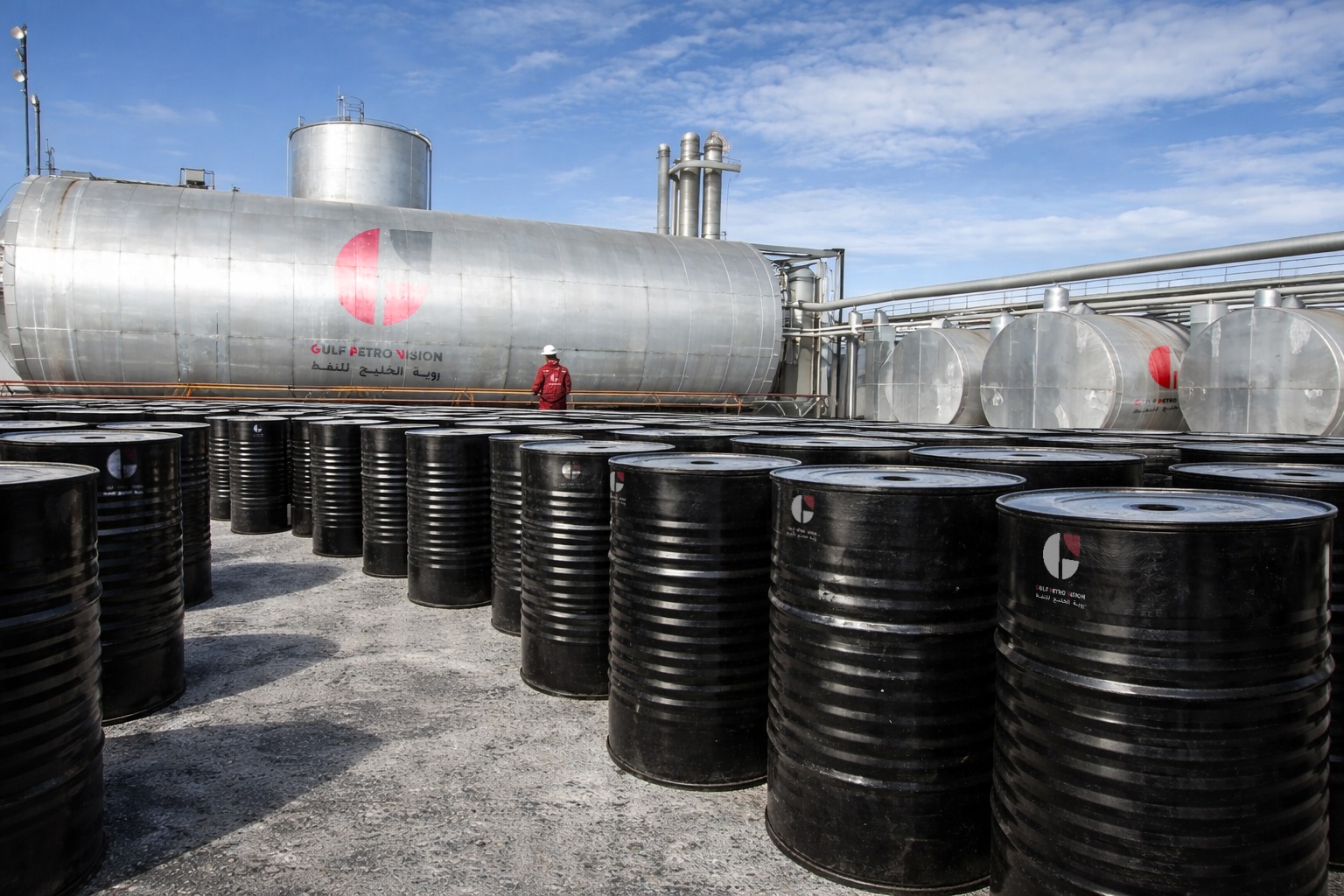
- Storage Temperature: Maintain between 150°C and 165°C to avoid hardening.
- Mixing Temperature: Typically around 155°C–165°C for hot mix asphalt.
- Avoid Contamination: Keep tanks and pipelines clean and free from water or other oils.
- Safety Precautions: Always follow heating safety protocols to prevent flash or fire risks.
Proper handling ensures consistent viscosity, adhesion, and performance during application.

Common Questions About AC-20 Bitumen
1. What climate is best suited for AC-20 bitumen?
AC-20 performs best in moderate to hot climates, typically where ambient temperatures range between 25°C and 55°C. It’s adaptable enough for highways and urban pavements exposed to medium or heavy traffic.
2. Can AC-20 be used for heavy-duty roads?
Yes, AC-20 offers the necessary stiffness and strength for medium to heavy traffic loads, but for extremely hot climates or heavy industrial roads, AC-30 or AC-40 may be considered.
3. Is AC-20 bitumen suitable for cold climates?
Not ideally. In cold climates, AC-10 or softer binders are more appropriate because they retain flexibility at low temperatures.
4. How does AC-20 contribute to pavement life?
Its combination of flexibility, water resistance, and adhesiveness minimizes cracks, stripping, and deformation, extending pavement service life.
Final Thoughts: Why Choose AC-20 for Your Next Project?
Asphalt Cement AC-20 remains a benchmark material in the road construction industry. Its medium viscosity, durability, and balanced performance characteristics make it a preferred choice for engineers, contractors, and municipalities worldwide.
By combining stability, workability, and long-term resilience, AC-20 bitumen ensures smooth, durable, and safe road surfaces capable of withstanding varied traffic conditions and weather patterns.
Whether you’re constructing an urban expressway or maintaining rural roads, AC Standard 20 guarantees a cost-effective and performance-driven solution for sustainable infrastructure.