Saudi Arabia Adjusts Oil Supply Routes Amidst Rising Tensions
The global oil market is bracing for impact as Saudi Arabia significantly curtails its crude deliveries to Asian customers. This marks the second consecutive month of reductions, driven by escalating geopolitical risks.
Strait of Hormuz Constraints
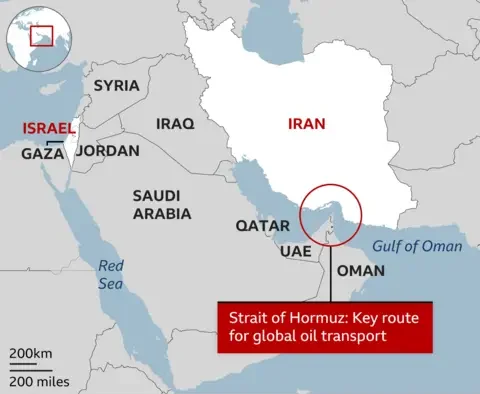
The primary issue centers on the increasingly precarious situation in the Strait of Hormuz. This vital waterway, a chokepoint for a massive portion of the world’s oil, is experiencing selective restrictions. These restrictions are impacting the ability of Saudi Arabia, the world’s leading crude exporter, to reliably reach its Asian markets.
Saudi Aramco, the national oil company, has informed its Asian clients that April shipments will largely consist of Arab Light crude sourced exclusively from the Yanbu port. This port is located on the Red Sea, offering a crucial alternative to the Hormuz Strait.
Yanbu Becomes Key Hub
March saw Saudi Aramco export roughly 4.355 million barrels per day. This figure represents a substantial drop from the 7.1 million bpd exported in February. The Kingdom is now prioritizing the redirection of as much oil as possible through Yanbu.
This strategic shift highlights the urgency of finding alternatives. Yanbu is rapidly becoming the sole viable export route for Saudi Arab Light crude. The port is expected to see record-high shipments this month, potentially reaching 3.8 million bpd.
Bab el-Mandeb Concerns
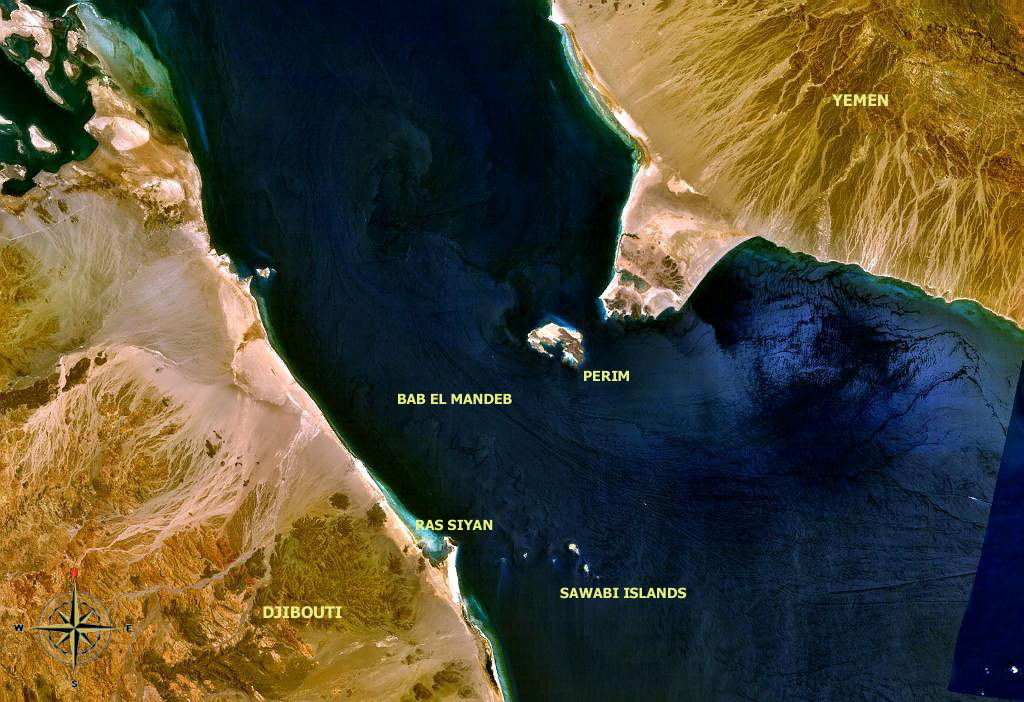
While Yanbu offers a solution, concerns linger regarding the Bab el-Mandeb Strait. This waterway, located south of Yemen, was previously targeted by Houthi rebels. Though relatively quiet recently, the potential for renewed disruption remains a significant worry.
Vessel tracking data confirms Saudi Arabia’s heavy reliance on Yanbu. However, even record shipments from the Red Sea port cannot fully compensate for the lost capacity through the Strait of Hormuz. Readers seeking deeper insights can contact Gulf Petro Vision for industry guidance.
Production Cuts and Market Impact
Saudi Arabia has already reduced its overall crude oil production by over 2.5 million barrels per day. These cuts are a direct consequence of the constrained export options. The reduced availability of Saudi crude will undoubtedly create challenges for Asian refiners.
They will be forced to actively seek alternative sources of supply, potentially driving up prices and increasing market volatility. The situation underscores the fragility of global energy infrastructure.
Navigating Complex Oil Supply Routes
The current crisis isn’t simply about physical blockades. It’s about political maneuvering and the selective application of control over critical maritime passages. Iran’s influence in the region is a key factor, as it selectively ensures safe passage for some vessels while potentially hindering others.
This complex dynamic adds another layer of uncertainty to the already volatile oil market. The adjustments to oil supply routes are a clear indication of the challenges ahead.
Looking Ahead
The situation demands careful monitoring and proactive planning. The long-term implications of these disruptions are still unfolding. The ability of Saudi Arabia to maintain high export volumes through Yanbu will be crucial.
Ultimately, the stability of global oil supply routes depends on de-escalation and a return to secure maritime navigation. The coming weeks will be critical in determining the future trajectory of the oil market.