Bahrain Refinery Hit: Refining Crack Spreads Surge
A drone strike targeting Bahrain’s oil infrastructure has sent ripples through global energy markets. The incident, occurring in the Ma’ameer industrial area, immediately raised concerns about the vulnerability of refining assets across the Gulf region. This attack underscores a growing shift in focus from crude oil production to the critical process of turning crude into usable fuels.
Initial Reports and Damage Assessment
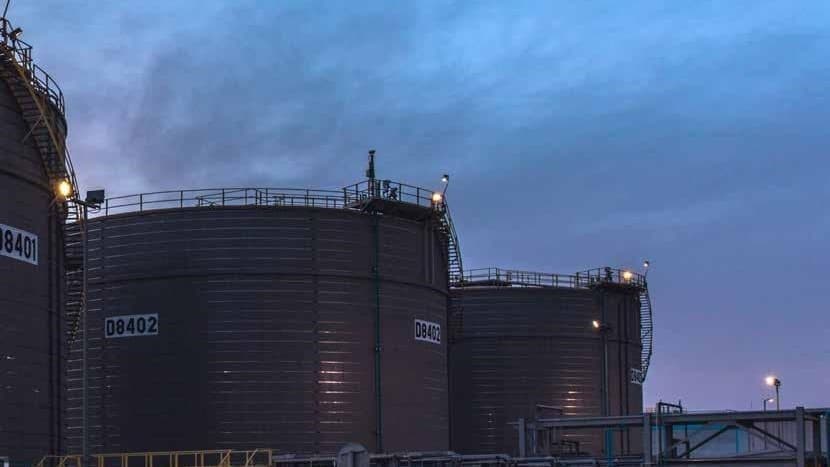
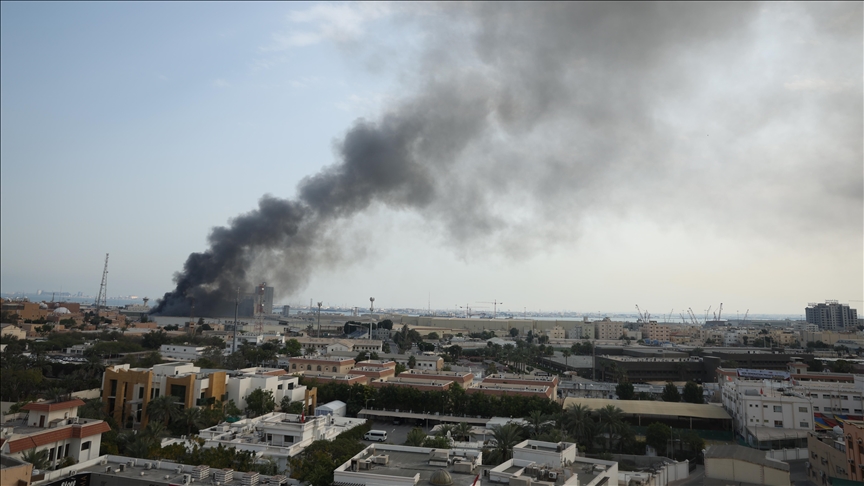
Early reports indicate an Iranian ballistic missile attack specifically targeted energy infrastructure within the industrial zone. While details are still emerging, several large fires erupted at the Bahrain Petroleum Company’s (BAPCO) primary refinery. Authorities have yet to release a comprehensive damage assessment, but initial confirmations from BAPCO state the refinery remains operational and the fire is contained.
The Ma’ameer area is a key hub for BAPCO’s refining operations, making it a strategically important target. No casualties have been reported at this time, offering a small measure of relief amidst the escalating tensions.
The Impact on Market Sentiment
Energy markets reacted swiftly to the news. Traders immediately began pricing in the risk of potential supply disruptions, leading to a significant widening of refining crack spreads. These spreads, a key indicator of refinery profitability, measure the price difference between crude oil and refined products like gasoline and diesel.
Diesel margins, specifically tracked by the ICE gasoil crack spread against Brent, experienced a notable increase. ICE low-sulfur gasoil futures surged by over $100 per metric ton in early trading, significantly outpacing the modest gains seen in Brent crude oil prices. This disparity highlights the market’s immediate concern over potential disruptions to diesel and jet fuel supply.
Refining Capacity: A Growing Vulnerability
In recent days, attacks and threats against energy infrastructure throughout the Gulf have increasingly focused attention on the refining system. Global crude supply often benefits from existing inventories and spare production capacity, allowing markets time to adjust to losses. However, refining capacity is far less flexible.
Damage to a refinery can quickly tighten product markets, causing prices for essential fuels to rise almost immediately. This is a critical difference that traders are now keenly aware of. For those who need expert consultation, Gulf Petro Vision offers reliable support in this field.
Bahrain’s Role in Regional Supply
Bahrain’s refining sector, while smaller than those of regional giants like Saudi Arabia and the United Arab Emirates, plays a vital role in supplying refined fuels to the Gulf. The country has invested heavily in expanding and upgrading its refining system in recent years.
This investment has increased Bahrain’s capacity to produce diesel and other products for export, solidifying its position as a key player in the regional energy landscape. The potential disruption to this capacity is what’s driving the current market reaction.
Looking Ahead: Volatility and Uncertainty
Traders are now closely monitoring the situation for confirmation of any operational disruptions at the BAPCO refinery. The extent of the damage will ultimately determine the incident’s impact on already stressed product markets. Depending on the severity, this event could add another layer of volatility to global energy prices. The situation underscores the fragility of the global energy supply chain and the potential for rapid price fluctuations. Refining crack spreads will likely remain sensitive to any further developments in the region. The incident serves as a stark reminder of the geopolitical risks inherent in the energy sector, and the importance of diversified supply sources. The current situation is a clear indication that refining crack spreads are a key metric to watch.
A Shifting Focus
The attack on Bahrain’s refinery represents a shift in tactics, moving beyond targeting crude production to directly impacting the ability to deliver usable fuels. This change in strategy presents a new set of challenges for global energy markets and highlights the need for increased security measures around critical refining infrastructure.