Bitumen Market in Ethiopia
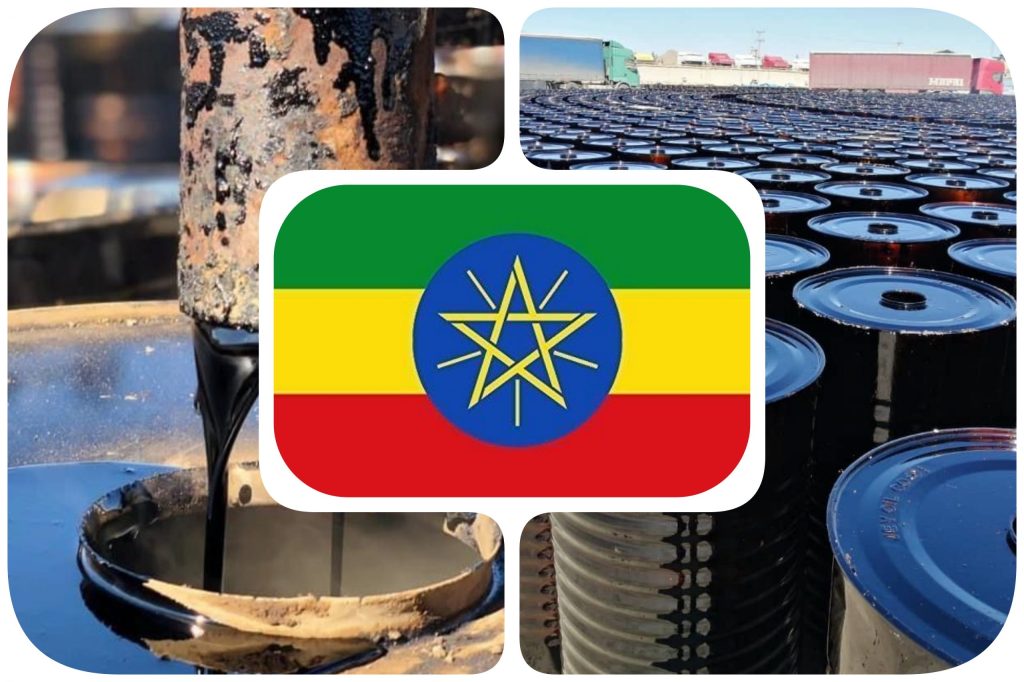
Ethiopia’s infrastructure development has been gaining momentum, with road construction projects playing a pivotal role in the nation’s economic expansion. Central to these projects is bitumen, a crucial material for road surfacing. Understanding the Bitumen Market in Ethiopia is essential for stakeholders aiming to navigate the evolving landscape.
Rising Demand for Bitumen
The surge in infrastructure projects across Ethiopia has led to an increased demand for bitumen. In 2023, Ethiopia imported approximately $51.1 million worth of petroleum bitumen, totaling around 61.5 million kilograms. This positions Ethiopia as one of the significant importers of bitumen globally. Notably, Oman was the largest supplier, accounting for approximately 33.6% of the total import value.
Popular Bitumen Grades in Ethiopia
In Ethiopia, bitumen is primarily categorized into various grades based on its penetration value, which indicates its hardness. The most commonly used grades include:
-
60/70 Penetration Grade: Widely used for general road construction and maintenance.
-
80/100 Penetration Grade: Preferred for areas with moderate traffic loads.
-
100/120 Penetration Grade: Utilized in regions with lighter traffic.
-
Oxidized Bitumen: Employed for waterproofing applications and in areas requiring enhanced durability.

Supply Chain Challenges
Despite the growing demand, the bitumen supply chain in Ethiopia faces several challenges:
-
Import Restrictions: Government policies and import restrictions can limit the availability of foreign bitumen, affecting the consistency of supply.
-
Logistical Issues: Ethiopia’s diverse terrain and underdeveloped infrastructure can complicate the transportation of bitumen to remote construction sites.
-
Price Volatility: Fluctuations in global crude oil prices can impact the cost of bitumen, leading to price instability in the local market.

Leading Suppliers of Bitumen to Ethiopia
Ethiopia sources its bitumen from various countries, with the leading suppliers in 2023 being:
-
Oman: Supplying approximately 19.8 million kilograms, accounting for 33.6% of Ethiopia’s total bitumen imports.
-
Bahrain: Providing around 18.8 million kilograms, making up 30.6% of the imports.
-
Iraq: Contributing about 11.7 million kilograms, representing 19% of the total imports.
-
United Arab Emirates: Delivering approximately 7.1 million kilograms, or 11.5% of the imports.
-
China: Supplying around 2.1 million kilograms, accounting for 3.4% of the imports.
Main Ports for Bitumen Imports in Ethiopia: Key Entry Points for the Country’s Infrastructure Development
Main ports for bitumen imports in Ethiopia include the Port of Djibouti and the Port of Berbera. These ports serve as the primary gateways for Ethiopia’s imports, including bitumen. The Port of Djibouti is the main entry point, handling a significant portion of the country’s imports. The Port of Berbera provides an alternative route, facilitating trade and reducing congestion at Djibouti.

Local Production Initiatives
To mitigate supply challenges, Ethiopia is exploring avenues to boost local bitumen production. Establishing domestic refineries and enhancing local manufacturing capabilities could reduce dependency on imports and stabilize the supply chain.
Most Used Bitumen Packaging Methods in Ethiopia: Ensuring Quality and Efficiency in Transportation
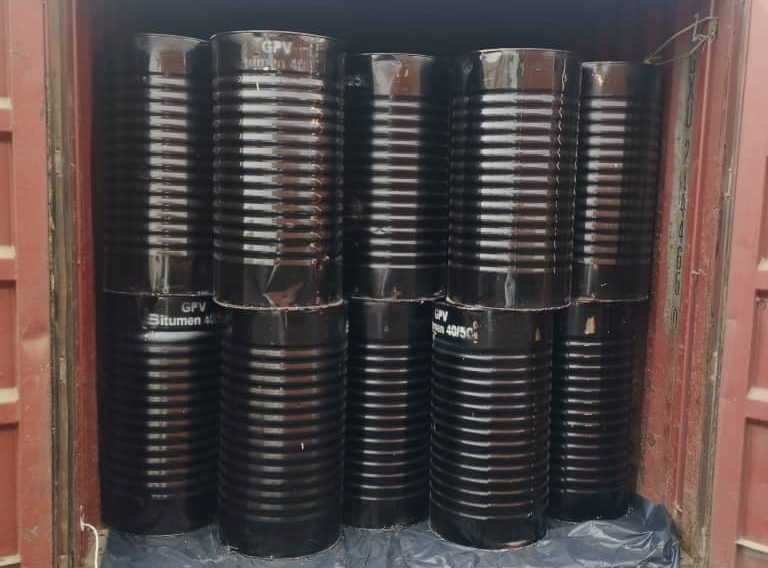
Most used bitumen packaging methods in Ethiopia are selected based on factors such as volume, transportation mode, and storage conditions. The choice of packaging plays a crucial role in maintaining the quality of bitumen during transit and ensuring its efficient application in construction projects.
Application of New Bitumen Grades in Ethiopia: Enhancing Road Durability and Performance
Application of new bitumen grades in Ethiopia also includes the use of oxidized bitumen for waterproofing applications. This grade is employed in roofing systems, basement waterproofing, and structures exposed to moisture, ensuring protection against water penetration and enhancing the longevity of infrastructure.
Future Outlook
The future of Ethiopia’s bitumen market appears promising, with several developments on the horizon:
-
Infrastructure Expansion: Ongoing and upcoming projects, such as the Adama–Awash Expressway, are expected to drive sustained demand for bitumen.
-
Technological Advancements: Investments in research and development could lead to innovations in bitumen production and application, enhancing performance and sustainability.
-
Policy Support: Government initiatives aimed at supporting local production and sustainable practices could further bolster the bitumen sector.
Conclusion
Ethiopia’s bitumen market is at a crossroads, balancing between rising demand and supply chain challenges. By focusing on local production, sustainability, and technological innovation, the country can navigate these challenges and build a resilient infrastructure foundation for the future.
Gulf Petro Vision, as a leading bitumen supplier in the Middle East, is well-positioned to meet Ethiopia’s growing demand for high-quality bitumen. With a strong track record in supplying to African markets, Gulf Petro Vision is capable of delivering various bitumen grades tailored to Ethiopia’s infrastructure needs. The company maintains a ready stock of bitumen products, ensuring fast and consistent supply to support ongoing and upcoming road construction and maintenance projects throughout the country.