Iranian vs. Iraqi Vacuum Bottom (VB): A Comprehensive Technical and Commercial Analysis
In the global petroleum and bitumen industries, Vacuum Bottom (VB) plays a critical role as a key feedstock. It serves as the primary raw material for manufacturing bitumen, fuel oil, and other heavy products. As demand grows in infrastructure and industrial sectors, selecting the right source of Vacuum Bottom can dramatically impact operational efficiency, product quality, and cost-effectiveness.
Two major producers in the Middle East—Iran and Iraq—supply large quantities of Vacuum Bottom to the international market. However, despite geographic proximity, Iranian and Iraqi VB differ significantly in chemical composition, production behavior, export logistics, and economic implications.
In this in-depth guide, we examine all the technical, logistical, and commercial differences between Iranian vs. Iraqi Vacuum Bottom, offering actionable insights for bitumen producers, refiners, and traders across Asia, Africa, and beyond.

What is Vacuum Bottom (VB)?
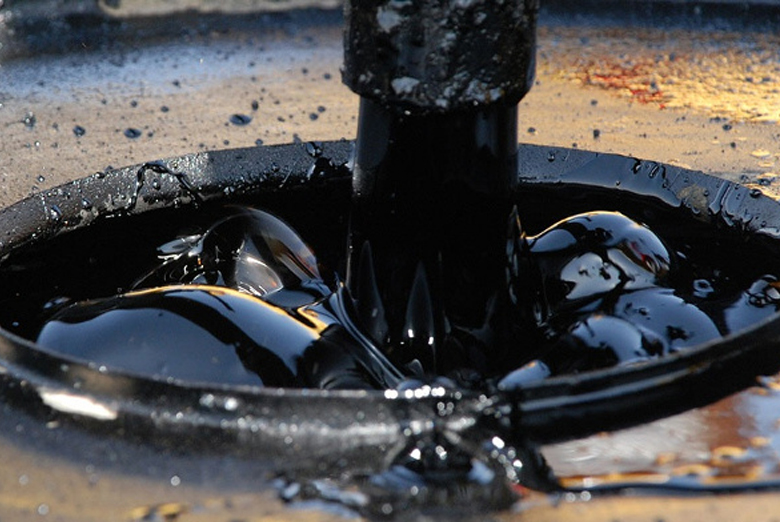
Vacuum Bottom (VB)—also referred to as vacuum residue (VR) or vacuum tower bottom (VTB)—is the heaviest product remaining after crude oil is processed in a vacuum distillation unit. It consists mostly of long-chain hydrocarbons, residual fuel oil components, and heavy fractions that cannot be distilled further at atmospheric pressure.
Primary Applications:
-
Bitumen production (e.g., 60/70, 80/100 penetration grades, oxidized bitumen)
-
Fuel oil blending
-
Production of petroleum coke
-
Feedstock for visbreaking and hydrocracking units
Because of its complex molecular structure and high boiling point, VB’s physical and chemical properties are crucial for determining its suitability in downstream processes.

🇮🇷 Iranian Vacuum Bottom: Overview
Iran is among the top producers of bitumen and VB in the Middle East, with consistent exports through southern ports like Bandar Abbas, Bandar Imam Khomeini, and Bushehr. Refineries such as Isfahan, Arak, Shiraz, and Bandar Abbas process heavy Iranian crude to yield Vacuum Bottom with favorable qualities.
Key Characteristics:
-
Sulfur content: ~1.8–2.2%
-
Nickel/Vanadium: Relatively low
-
Density and viscosity: Consistent and manageable
-
Bitumen yield: Higher efficiency in oxidation units
-
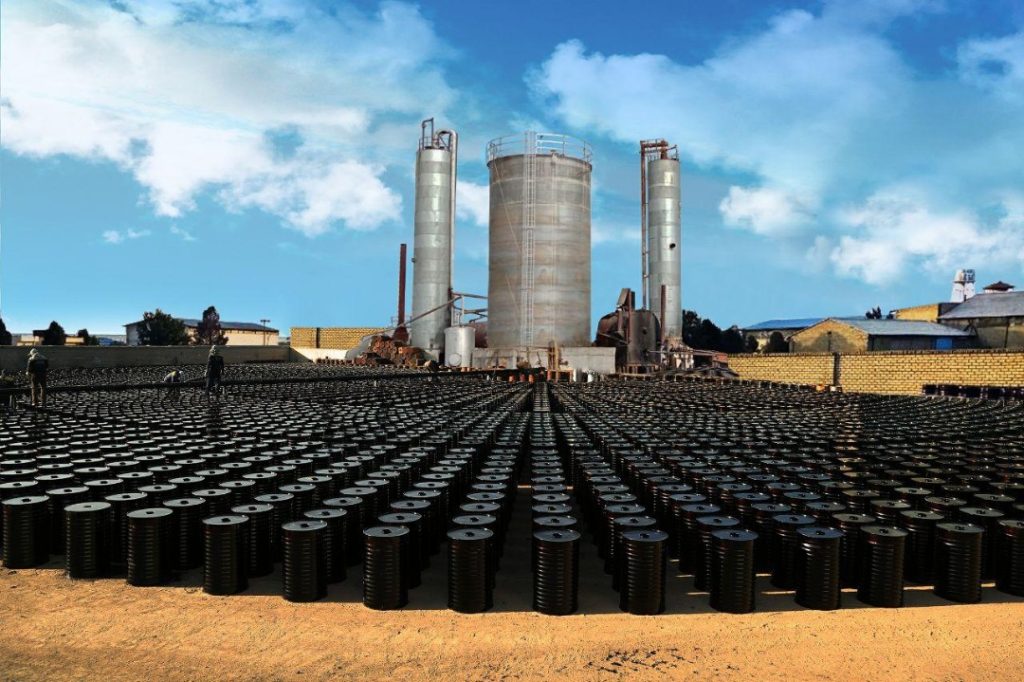
Export form: Usually bulk or flexi tank; drums for smaller shipments

🇮🇶 Iraqi Vacuum Bottom: Overview
Iraq is also a major player in the Vacuum Bottom market, especially since the expansion of its southern refineries near Basra. The country exports VB via Umm Qasr Port, with Basra Heavy Crude being the most common feedstock.
Key Characteristics:
-
Sulfur content: ~4.5–5.2%
-
Nickel/Vanadium: Higher concentrations
-
Density and viscosity: Higher variability
-
Bitumen yield: Requires longer oxidation and additives
-
Export form: Typically in bulk
1. Chemical Composition: The Foundation of Performance
Sulfur Content
One of the most critical parameters in VB is sulfur, which affects oxidation stability, emissions, and downstream process complexity.
| Source | Sulfur Content (%) | Impact |
|---|---|---|
| Iran | 1.8%–2.2% | Easier refining, low emissions |
| Iraq | 4.5%–5.2% | Requires desulfurization, increases cost |
Conclusion: Iranian VB is better suited for bitumen production in refineries without advanced desulfurization capacity.
Heavy Metals (Nickel, Vanadium)
These metals degrade catalysts used in downstream units and affect the final product’s compatibility with environmental standards.
-
Iranian VB: Lower concentrations—less catalyst poisoning, better compatibility
-
Iraqi VB: Higher concentrations—increased processing complexity
2. Refinery Behavior and Processing Efficiency
The refinability of VB depends on how it behaves under temperature, pressure, and oxidation conditions.
Viscosity and Density Stability
-
Iranian VB: Stable and predictable viscosity makes it ideal for continuous production and penetration control.
-
Iraqi VB: More variation; adjustments in oxidation settings are needed batch to batch.
Oxidation Efficiency
In bitumen production, VB is oxidized to increase softening point and reduce penetration.
| Source | Oxidation Time | Additive Need |
|---|---|---|
| Iran | Shorter | Minimal |
| Iraq | Longer | Higher |
Result: Iranian VB reduces production time, energy use, and chemical costs.
3. Bitumen Yield and Quality Output
Bitumen producers consistently report that Iranian VB yields more premium-grade output.
Iranian VB Advantages:
-
High softening point without over-oxidation
-
Low air blowing requirement
-
Greater consistency between batches
-
Better thermal stability and weather resistance
Iraqi VB Challenges:
-
Requires blending with flux oil or lighter residues
-
Lower oxidation stability
-
May cause foaming during air blowing

4. Commercial Pricing and Total Cost of Ownership (TCO)
FOB Price Comparison
-
Iraq: Typically 5%–15% cheaper on an FOB basis.
-
Iran: Priced higher but with cleaner feed quality.
Processing Costs
While Iraqi VB is cheaper upfront, it requires:
-
More energy
-
More additives
-
Longer production time
-
Higher environmental emissions
TCO Insight
| Cost Component | Iran VB | Iraq VB |
|---|---|---|
| Base Price (FOB) | ❌ Higher | ✅ Lower |
| Additive Usage | ✅ Lower | ❌ Higher |
| Energy Consumption | ✅ Efficient | ❌ High |
| Desulfurization Need | ✅ Minimal | ❌ Essential |
| Final Output Yield | ✅ High | ❌ Moderate |
Conclusion: For refiners prioritizing long-term efficiency, Iranian VB offers a lower Total Cost of Ownership.
5. Export Logistics and Reliability
Port Infrastructure and Risk
| Source | Main Port | Export Consistency | Risks |
|---|---|---|---|
| Iran | Bandar Abbas, Bandar Imam | High | Sanctions, banking |
| Iraq | Umm Qasr | Moderate | Port congestion, weather |
Iran has more developed petrochemical logistics and specialized terminals for VB and bitumen exports.
Packaging and Handling
-
Iranian VB: Available in bulk, flexi tanks, and drums
-
Iraqi VB: Primarily bulk only
Result: Iranian suppliers offer more versatile shipping options, especially for buyers in East Africa, South Asia, and Southeast Asia.
6. Market Suitability and Demand Zones
Preferred Regions for Iranian VB:
-
East Africa: Tanzania, Kenya, Ethiopia
-
South Asia: Bangladesh, Sri Lanka, Nepal
-
CIS & Central Asia: Turkmenistan, Tajikistan
These regions value low-sulfur feedstock, predictable performance, and easier handling.
Preferred Regions for Iraqi VB:
-
India & Pakistan: Equipped with desulfurization units
-
Bulk traders: Use for blending with low-cost heavy fuels
-
Gulf & Middle East: Cost-sensitive procurement

7. Environmental Compliance and Future Demand
As more countries adopt clean fuel regulations, the environmental impact of VB becomes a defining factor.
Iranian VB Advantages:
-
Easier to meet ISO and Euro emission standards
-
Lower sulfur and heavy metal emissions
-
Greater adaptability to green refining processes
Iraqi VB Risks:
-
May fall short of upcoming standards
-
Requires pre-treatment or blending
Forecast: Iranian VB is positioned to dominate future eco-conscious refining markets in Asia and Africa.
Comparison Table: Iranian vs. Iraqi VB
| Criteria | Iranian VB | Iraqi VB |
|---|---|---|
| Sulfur Content | ✅ Low (1.8–2.2%) | ❌ High (4.5–5.2%) |
| Heavy Metals (Ni, V) | ✅ Low | ❌ High |
| Bitumen Yield Efficiency | ✅ High | ⚠️ Moderate |
| Additive Requirement | ✅ Minimal | ❌ High |
| Oxidation Time | ✅ Fast | ❌ Slow |
| Export Flexibility | ✅ Multiple formats | ❌ Limited |
| Price (FOB) | ❌ Higher | ✅ Lower |
| Environmental Compliance | ✅ Strong | ⚠️ Limited |
| Consistency and Quality | ✅ Predictable | ⚠️ Variable |
| Overall TCO | ✅ Cost-effective | ❌ Costlier to process |
Conclusion: Which Vacuum Bottom Is Right for You?
Your decision should be based on your:
-
Refining capacity
-
Target bitumen grades
-
Environmental standards
-
Market pricing goals
Choose Iranian VB if you need:
- Stable and consistent feedstock
- Lower emissions
- Faster production cycles
- Premium bitumen grades
- Long-term economic efficiency
Choose Iraqi VB if:
- You prioritize upfront pricing
- You have advanced desulfurization and blending capabilities
- You are operating in high-volume, cost-driven markets