How Global Trends Are Affecting Bitumen Prices in the Philippines
Introduction
Are you wondering why road construction costs in the Philippines keep changing? The answer might lie in bitumen prices.
The Philippine infrastructure sector has grown dramatically in recent years. Road construction and maintenance projects now form a crucial part of the country’s development strategy. At the heart of these projects lies bitumen—the essential binding agent in asphalt production.
Bitumen prices don’t just depend on local factors. They’re heavily influenced by global trends that ripple through the Philippine economy. In this article, we’ll explore how international factors shape bitumen prices in the Philippines. More importantly, we’ll examine what this means for the country’s ambitious infrastructure plans.
What is Bitumen and Why Does It Matter?
The Black Gold of Road Construction
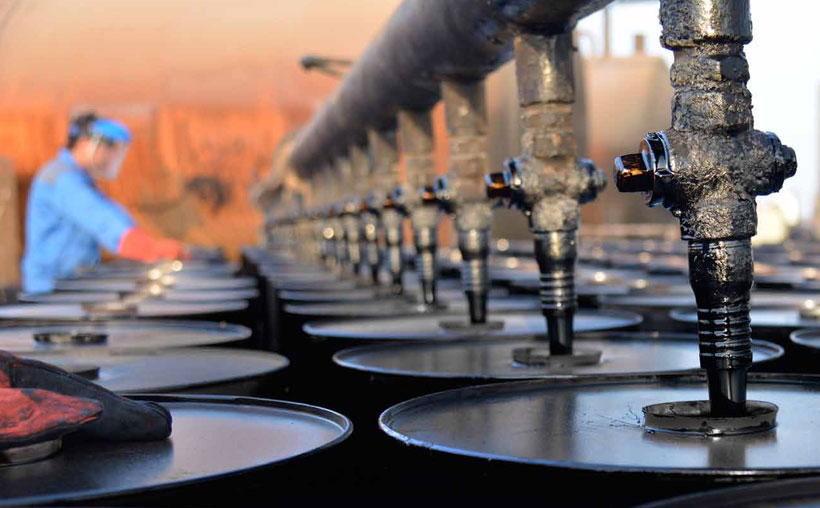
Bitumen is often called “asphalt” in North America. It’s a black, sticky substance derived from petroleum. Think of it as the glue that holds road materials together. Without it, our roads would literally fall apart.
This viscous material comes from the distillation of crude oil. It creates durable, weather-resistant road surfaces that can withstand heavy traffic and changing weather conditions.
Critical for Philippine Development
Why is bitumen so important for the Philippines? Consider these facts:
- The Philippines consists of over 7,600 islands
- Effective transportation infrastructure connects these islands economically
- The country’s economy continues to grow, increasing infrastructure demands
- The government’s “Build, Build, Build” program prioritizes infrastructure development
Given these factors, bitumen isn’t just another construction material—it’s a critical commodity that enables the nation’s growth strategy.
Global Factors Influencing Bitumen Prices
1. Crude Oil Price Fluctuations
The Direct Connection
Did you know that bitumen comes directly from crude oil? This creates an immediate link between global oil prices and bitumen costs. When oil prices rise internationally, Philippine bitumen costs climb too.
The global oil market is notoriously volatile. Events happening thousands of miles from the Philippines can impact local bitumen prices overnight. For example:
- OPEC production decisions cause immediate price changes
- Middle East tensions create market uncertainty
- Global economic slowdowns affect demand patterns
In early 2024, crude oil prices jumped due to Persian Gulf tensions. Almost immediately, Philippine bitumen importers faced higher costs, which they passed on to local contractors.

2. Supply Chain Disruptions
Ongoing Post-Pandemic Challenges
Remember how COVID-19 disrupted global trade? Those effects haven’t fully disappeared from the bitumen supply chain. In fact, shipping costs remain higher than pre-pandemic levels, while container shortages and port congestions continue to cause problems.
This hits the Philippines particularly hard because the country imports most of its bitumen. These ongoing supply chain issues have created:
- Longer waiting times for bitumen deliveries
- Significantly higher freight and insurance costs
- Increased storage costs for importers
- Unpredictable price swings in the local market
When shipping containers are scarce, bitumen prices in the Philippines feel the impact immediately.

3. Currency Exchange Rate Fluctuations
When the Peso Weakens, Costs Rise
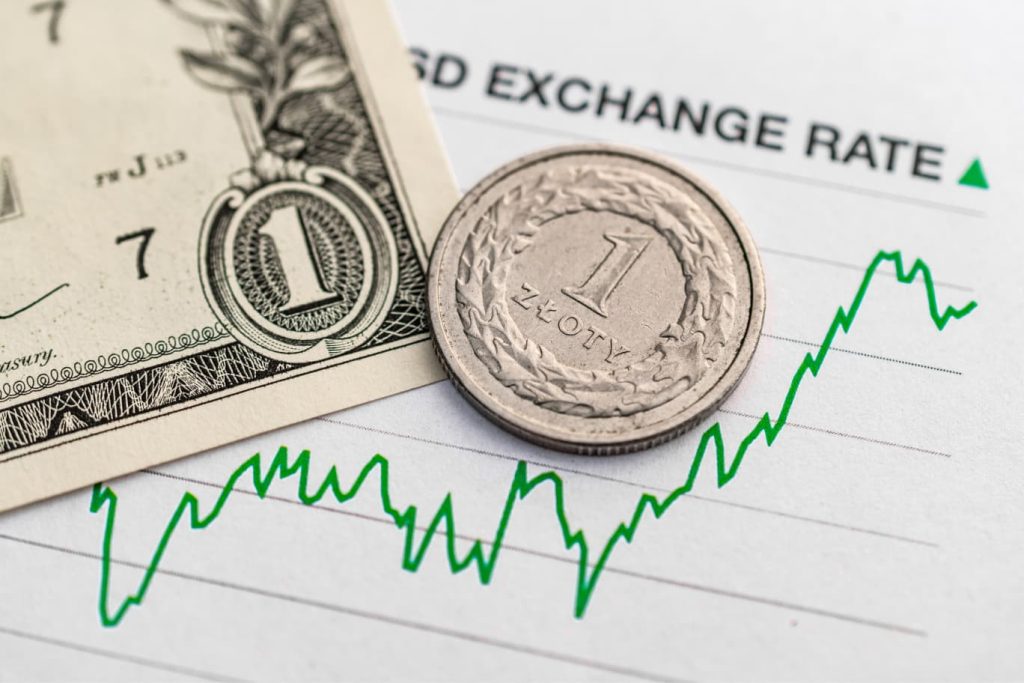
Here’s a crucial fact: bitumen trades internationally in US dollars. Therefore, the Philippine peso’s performance against the dollar directly affects import costs.
It works like this: when the peso weakens, importing bitumen becomes more expensive, driving local prices up. Several factors influence the peso’s exchange rate:
- US Federal Reserve policy changes affect global currency markets
- Philippine economic indicators shift investor confidence
- Trade imbalances alter currency demand
- Foreign investment flows impact currency strength
- Government fiscal policies change economic outlooks
Recent aggressive monetary tightening by the US Federal Reserve has created new challenges for the peso. This directly affects how much Philippine businesses pay for imported bitumen.
4. Global Environmental Regulations
The Green Shift Affects Prices
Environmental concerns are transforming bitumen production worldwide. As sustainability becomes a priority, we’re seeing:
- Stricter emissions controls at production facilities
- New eco-friendly bitumen alternatives entering the market
- Higher production costs to meet environmental standards
As a signatory to international climate agreements, the Philippines has begun implementing tougher environmental regulations. These affect how bitumen is produced, transported, and used in road construction.
Unfortunately, these important regulatory changes often lead to higher compliance costs. These costs eventually show up in bitumen prices across the Philippine market.

5. Emerging Market Demand
Fighting for Resources
The Philippines isn’t the only country developing its infrastructure. Rapid growth across Asia has intensified competition for bitumen supplies. Countries like Vietnam, Indonesia, and India are all launching major infrastructure projects that require large quantities of bitumen.
This surging regional demand creates intense competition for available supplies. Consequently, Philippine importers must now compete with other fast-growing economies for the same limited resource.
When multiple countries bid for the same materials, prices naturally rise. This competition has become a significant factor in the Philippine bitumen market.
The Philippine Context: Local Factors at Play
While global trends drive major price movements, several domestic factors also influence bitumen prices in the Philippines:
Government Infrastructure Programs
The “Build, Build, Build” program continues under the current administration, though with some modifications. This ambitious initiative maintains strong demand for construction materials, including bitumen.
This sustained government-driven demand keeps pressure on prices, especially when global supplies tighten. The predictable nature of this demand does help suppliers plan, but it also ensures continuous market pressure.

Seasonal Construction Patterns
Unlike some countries, the Philippines experiences very distinct rainy and dry seasons. These seasonal patterns dramatically affect construction activities throughout the year.
Bitumen demand typically peaks during the dry season (November to May). During this period, road construction activities accelerate, often causing seasonal price increases. Conversely, the rainy season brings reduced demand and sometimes lower prices.
Smart buyers understand these patterns and plan accordingly.
Limited Storage Infrastructure
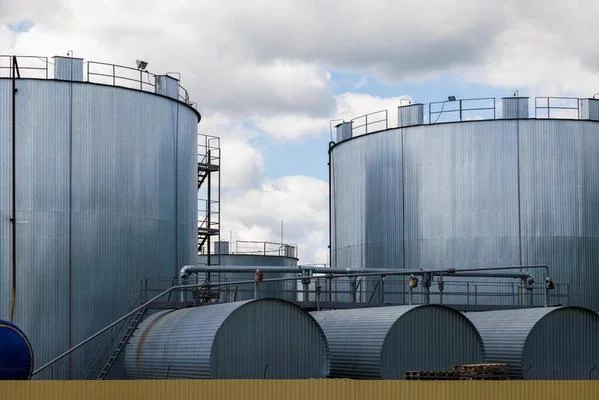
The Philippines faces a significant challenge: limited storage facilities for bitumen. This infrastructure gap creates real problems for importers.
Even when global prices drop favorably, importers struggle to capitalize on these opportunities. Why? Because they lack sufficient storage capacity to buy in bulk when prices are low.
This limitation reduces their ability to buffer against future price increases, leaving the market more vulnerable to global fluctuations.
Regulatory Requirements
Two government departments significantly impact the bitumen market:
- The Department of Public Works and Highways (DPWH) sets quality standards
- The Department of Energy (DOE) regulates energy-related aspects of bitumen
Their regulations determine which international suppliers can sell to the Philippine market. When these regulations change, they alter the competitive landscape and, consequently, pricing dynamics.
Impact on the Philippine Construction Industry
The rollercoaster of bitumen prices creates several significant challenges for the Philippine construction sector:
Budget Uncertainty
How can you plan a project when material costs keep changing? Fluctuating bitumen prices make accurate project costing extremely difficult.
Construction companies and government agencies must now include larger contingencies in their budgets. These safeguards protect against potential price increases but can lead to:
- Project delays when budgets become strained
- Scope reductions when costs exceed expectations
- Difficult negotiations between contractors and clients
This uncertainty affects everyone from small contractors to major government infrastructure projects.
Quality Concerns
When bitumen prices soar, contractors face a difficult choice. Some may feel pressured to cut corners by:
- Using lower-grade bitumen products
- Reducing the bitumen content in asphalt mixes
- Cutting costs in other aspects of road construction
These compromises have serious consequences. They lead to reduced road durability and significantly higher maintenance costs down the line. What saves money today costs much more tomorrow.

Adaptive Strategies
The industry isn’t standing still. To counter volatile bitumen prices, stakeholders are exploring several innovative approaches:
Long-term supply contracts: Many companies now establish fixed-price arrangements with suppliers. These contracts reduce their exposure to short-term price swings.
Alternative technologies: Forward-thinking firms explore modified bitumen products and recycled asphalt options. These innovations reduce dependence on traditional bitumen.
Local production investment: Some larger players are investing in domestic refining capabilities. This strategy reduces import dependence and creates more price stability.
Future Outlook for Bitumen Prices in the Philippines
What does the future hold for bitumen prices in the Philippines? Several key factors will shape the market:
Energy Transition Impact
The global shift toward renewable energy sources creates an interesting dynamic for bitumen. As petroleum refineries face pressure from this transition, their profitability and production patterns change.
Traditional refineries may struggle with changing economics, potentially affecting their bitumen production capacity. This structural shift could create long-term supply constraints and upward price pressure.

Regional Infrastructure Boom
The infrastructure boom isn’t slowing down. Countries across Southeast Asia continue to invest heavily in infrastructure development. This sustained regional investment maintains strong demand for bitumen.
The Philippines must navigate this competitive environment carefully. Securing adequate supplies at reasonable prices will require strategic planning and possibly government intervention.
Technological Breakthroughs
Technology offers hope. Advances in several areas could help moderate price pressures:
- Bitumen alternatives that reduce petroleum dependence
- Enhanced recycling technologies that reuse existing materials
- Improved production methods that lower costs
How quickly will the Philippine construction industry adopt these innovations? The answer will significantly influence their impact on local pricing.
Climate Policy Impacts
Climate change isn’t just an environmental issue—it’s an economic one too. As climate concerns intensify, we can expect:
- New carbon pricing mechanisms affecting production costs
- Stricter environmental policies adding compliance expenses
- Growing preference for low-carbon alternatives
Forward-thinking companies are already preparing for this new reality by exploring lower-carbon bitumen alternatives.
Strategic Recommendations for Key Players
Government Agencies
- Build strategic reserves: Create buffer stocks to moderate price volatility during global disruptions.
- Support domestic production: Offer incentives for local refining capabilities to reduce import dependence.
- Modernize contracting: Develop flexible price adjustment mechanisms in public infrastructure contracts.
- Improve forecasting: Establish better market intelligence systems to anticipate price movements.
Construction Companies
- Diversify your suppliers: Don’t rely on a single source. Establish relationships with multiple international suppliers to enhance your supply security.
- Invest in storage: Develop capacity to purchase when prices drop. This strategy creates a buffer against market volatility.
- Embrace innovation: Research and adopt modified bitumen products and recycled asphalt technologies. These alternatives can reduce costs while maintaining performance.
- Train your team: Ensure your staff understands bitumen quality assessment to avoid substandard materials.
Project Developers
- Plan for price risks: Build realistic contingencies into project budgets for bitumen price fluctuations.
- Think long-term: Evaluate higher-quality bitumen products that cost more initially but offer better durability and lower maintenance costs over time.
- Phase your projects: Structure implementation to allow for strategic material purchasing when market conditions are favorable.
- Educate your clients: Help them understand how bitumen price volatility affects project costs and timelines.
Conclusion
Bitumen prices in the Philippines aren’t set in isolation. They exist at the crossroads of global energy markets, international trade dynamics, and domestic infrastructure priorities.
Understanding how these factors interact is essential for everyone in the construction value chain—from government planners and project developers to contractors and material suppliers.
As the Philippines continues its infrastructure development journey, managing bitumen price volatility becomes crucial for success. By diversifying supply sources, investing in domestic production, and embracing innovative technologies, the Philippine construction industry can:
- Build resilience against global price shocks
- Maintain project timelines despite market fluctuations
- Deliver the quality infrastructure needed for economic growth
The road ahead will have its bumps. But with strategic planning and adaptive approaches, the Philippine construction industry can navigate these challenges while building the foundations for the country’s future prosperity.