The Top 5 Bitumen Trends Transforming Bangladesh’s Highways in 2025
Bangladesh’s road infrastructure is undergoing a remarkable transformation in 2025, with bitumen and polymer modified bitumen technology playing a pivotal role in this evolution. As the nation continues its ambitious journey toward becoming a developed country by 2041, the quality and sustainability of its highway network have become central to economic growth and connectivity. Modern bitumen applications are revolutionizing how roads are built, maintained, and experienced across the country.
This comprehensive analysis examines the five most significant bitumen trends reshaping Bangladesh’s highway infrastructure this year. From Polymer Modified Bitumen to smart road technologies, these innovations are addressing long-standing challenges such as monsoon damage, traffic congestion, and environmental concerns while supporting the country’s development goals.
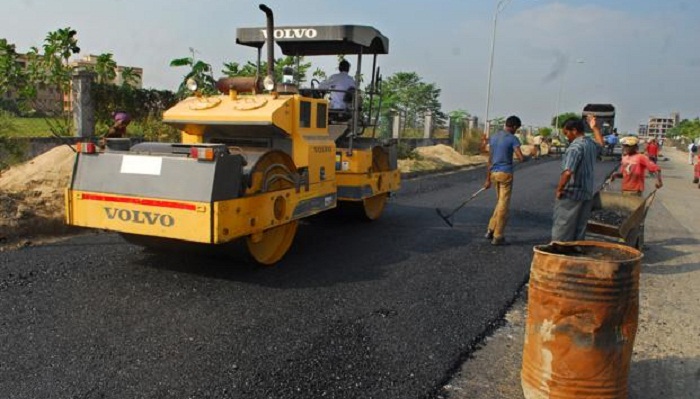
1. Polymer-Modified Bitumen (PMB): Enhanced Durability for Monsoon Resistance
Bangladesh’s geographical positioning and climate create unique challenges for road infrastructure. The country experiences intense monsoon seasons, with heavy rainfall often leading to road deterioration. Traditional bitumen surfaces frequently succumb to water damage, resulting in potholes, rutting, and shortened road lifespans. In 2025, Polymer-Modified Bitumen (PMB) has emerged as the premier solution to these persistent problems.
How Polymer Modified Bitumen Is Transforming Bangladesh’s Roads
Polymer-Modified Bitumen incorporates specialized polymers into conventional bitumen, creating a more elastic, durable, and water-resistant binding material. The polymers—typically styrene-butadiene-styrene (SBS) or ethylene vinyl acetate (EVA)—fundamentally alter bitumen’s rheological properties, enhancing both high-temperature stability and low-temperature flexibility.
The Bangladesh Roads and Highways Department (RHD) reports that PMB implementation has increased by 45% since 2023, with remarkable results. Roads constructed with PMB demonstrate:
- 60-80% greater resistance to water damage
- 40% reduction in rutting under heavy vehicle loads
- Extended service life of 7-10 years beyond conventional bitumen roads
- Decreased maintenance requirements, reducing lifetime costs by approximately 30%
Key Polymer Modified Bitumen Implementations in 2025
The Dhaka-Chattogram Highway upgrade represents the most significant PMB project in Bangladesh to date. This vital economic corridor, connecting the capital with the country’s largest port city, now features PMB surfacing designed to withstand both monsoon conditions and the heavy freight traffic that constitutes nearly 40% of the nation’s goods transport.
Similarly, the Padma Bridge connecting highways have incorporated PMB technology as standard practice, ensuring this landmark infrastructure project maintains optimal performance despite challenging environmental conditions.
Economic Impact
While PMB materials initially cost 15-20% more than conventional bitumen, the Bangladesh Ministry of Road Transport and Bridges estimates a net economic benefit of approximately BDT 1.5 billion annually through reduced maintenance costs and fewer traffic disruptions. This economic advantage, coupled with enhanced road safety and reduced vehicle damage, makes PMB a cornerstone of Bangladesh’s current highway development strategy.
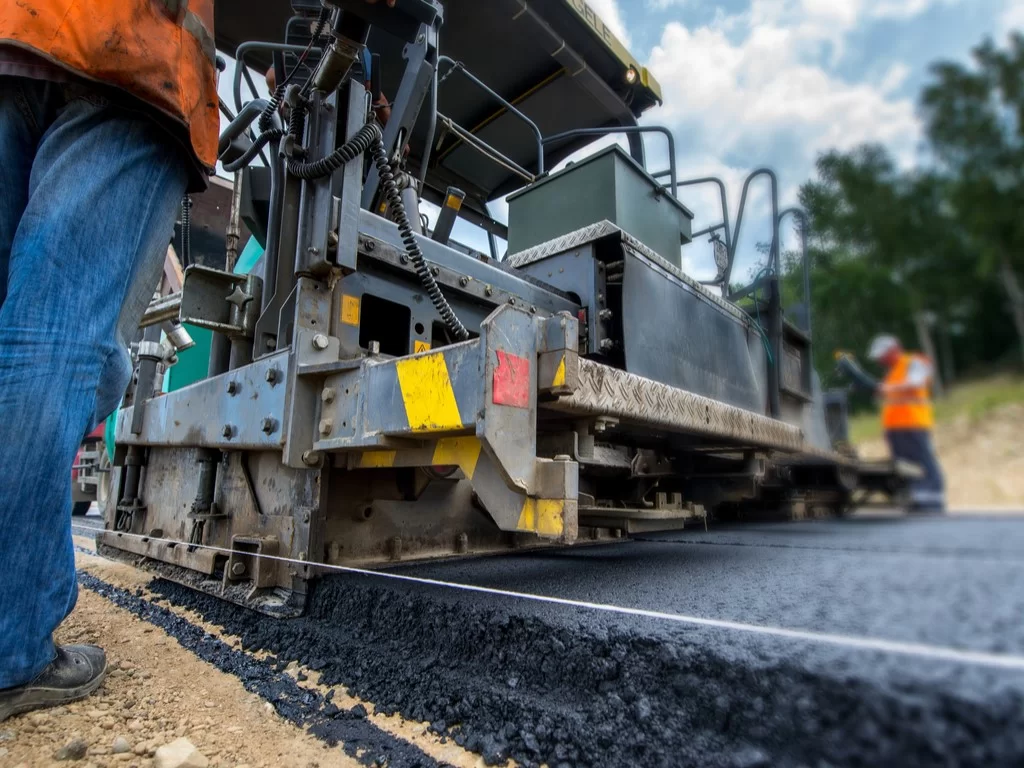
2. Warm Mix Asphalt (WMA): The Sustainable Revolution
Sustainability has become a central focus in Bangladesh’s infrastructure development, aligning with global climate commitments and the country’s own environmental goals. Warm Mix Asphalt (WMA) technology represents the most significant eco-friendly advancement in road construction currently being implemented across Bangladesh’s highway network.
Environmental and Economic Benefits
Unlike traditional Hot Mix Asphalt (HMA), which requires heating aggregates and bitumen to temperatures of 150-180°C, WMA can be produced and applied at significantly lower temperatures (typically 100-140°C). This temperature reduction yields multiple advantages:
- Energy consumption reduced by 20-35%
- Greenhouse gas emissions decreased by approximately 30%
- Reduced bitumen aging during production, extending pavement life
- Improved working conditions with less fume exposure for construction workers
- Extended paving season, particularly important during Bangladesh’s pre-monsoon period
The Bangladesh Climate Change Strategy and Action Plan has specifically endorsed WMA as a preferred methodology for new road construction, recognizing its contribution to reducing the country’s carbon footprint.

Implementation Across Bangladesh
In 2025, WMA technology has been incorporated into several major highway projects, including:
- The Dhaka-Sylhet Highway expansion
- The Khulna-Mongla Port Highway reconstruction
- Various regional highway upgrades throughout Rajshahi and Rangpur divisions
The Bangladesh University of Engineering and Technology (BUET) has established a dedicated research unit focused on optimizing WMA formulations specifically for Bangladesh’s climate and traffic conditions, further advancing the technology’s local adaptation.
Challenges and Adaptations
While WMA offers considerable advantages, its implementation in Bangladesh has required specific adaptations due to the country’s unique climate. Research partnerships between the Roads and Highways Department and international experts have led to the development of specialized additives that enhance WMA performance in high-humidity environments. These custom formulations have successfully addressed initial concerns about moisture susceptibility in certain regions.
3. Reclaimed Asphalt Pavement (RAP): Circular Economy on the Roads
As Bangladesh continues to modernize its extensive road network, the management of construction waste and resource efficiency has become increasingly important. Reclaimed Asphalt Pavement (RAP) technology has emerged as a leading solution, bringing circular economy principles to highway construction throughout the country.

The RAP Revolution in Bangladesh
RAP involves the recycling and reuse of existing asphalt materials when rehabilitating roads. The process includes milling the existing surface, processing the reclaimed material, and incorporating it into new pavement mixtures. In Bangladesh, where natural aggregate resources face increasing demand pressure, RAP offers a sustainable alternative that reduces dependence on virgin materials.
The technology has seen rapid adoption, with the Roads and Highways Department now mandating a minimum 20% RAP content in suitable highway rehabilitation projects. Current applications in Bangladesh demonstrate that:
- RAP incorporation reduces virgin bitumen requirements by 15-25%
- Material costs are reduced by approximately 18% compared to conventional methods
- Natural resource extraction is significantly decreased, preserving Bangladesh’s limited aggregate supplies
- Construction waste directed to landfills is reduced by up to 90% on rehabilitation projects
Current Projects Showcasing RAP Technology
The Rangpur-Dinajpur Highway renovation project stands as the flagship RAP implementation in Bangladesh, incorporating up to 35% reclaimed materials while maintaining performance standards equal to conventional construction. This project alone has prevented approximately 12,000 tons of asphalt waste from entering landfills.
Similarly, the Mymensingh Bypass expansion has utilized RAP technology extensively, establishing a model for future highway works throughout the northern regions.
Technical Innovations and Quality Control
The successful implementation of RAP in Bangladesh has required significant technological advancement in material processing and quality assurance. The Central Road Research Laboratory in Dhaka has developed specialized testing protocols for RAP materials, ensuring consistent performance despite variations in reclaimed material sources.
Advanced rejuvenators and bitumen modifiers developed specifically for Bangladesh’s climate conditions have enabled higher RAP percentages without compromising pavement durability. These technical innovations have positioned Bangladesh as a regional leader in sustainable road construction practices.
4. Smart Roads and Intelligent Bitumen: Paving the Way for Connected Transportation
As Bangladesh embraces digital transformation across all sectors, highway infrastructure is experiencing its own technological revolution. Smart road technologies, incorporating specialized bitumen formulations with embedded sensors and responsive capabilities, are being deployed across strategic highway corridors in 2025.

Smart Bitumen Technologies Transforming Bangladesh’s Highways
These intelligent road systems integrate several key technologies:
- Sensor-embedded bitumen layers that monitor road conditions, traffic flow, and structural integrity in real-time
- Self-healing bitumen formulations containing encapsulated rejuvenating agents that activate when microcracking is detected
- Temperature-responsive pavements that adjust their properties based on ambient conditions
- Solar-energy harvesting surfaces that generate electricity for roadside lighting and signage
Current Smart Road Implementations
The Dhaka Elevated Expressway represents Bangladesh’s most ambitious smart road project to date. This critical infrastructure incorporates sensor-equipped bitumen layers that transmit continuous data on road conditions, traffic density, and structural performance to the newly established National Highway Monitoring Center.
Additionally, the N8 Highway modernization project features experimental sections with self-healing bitumen technology, designed to extend pavement life by automatically addressing minor damage before it progresses to more serious deterioration.
Traffic Management and Safety Benefits
Bangladesh’s smart road initiatives are yielding impressive results in traffic management and safety:
- Real-time traffic monitoring has reduced congestion on equipped corridors by up to 25%
- Automatic incident detection has decreased emergency response times by approximately 40%
- Early identification of pavement distress has enabled preemptive maintenance, reducing road closure frequency
- Weather-adaptive traffic management systems have improved safety during monsoon conditions
The Bangladesh Road Transport Authority reports that highways equipped with smart bitumen technologies have experienced a 30% reduction in accident rates compared to conventional roads with similar traffic volumes, underscoring the safety benefits of these advanced systems.

5. High-Modulus Asphalt Concrete (HMAC): Engineering Solutions for Heavy Traffic
Bangladesh’s economic growth has led to significant increases in both freight transport and vehicle ownership. This rising traffic volume, combined with heavier commercial vehicles, places unprecedented stress on the highway network. High-Modulus Asphalt Concrete (HMAC) has emerged as the engineering solution of choice for high-traffic corridors throughout the country.
HMAC Technology and Applications
High-Modulus Asphalt Concrete utilizes specialized hard-grade bitumen and precisely engineered aggregate gradations to create pavement structures with exceptional load-bearing capacity. The technology originated in Europe but has been carefully adapted for Bangladesh’s specific conditions through collaborative research between the Roads and Highways Department and international experts.
HMAC pavements in Bangladesh typically feature:
- Stiffness modulus values 50-70% higher than conventional asphalt concrete
- Enhanced resistance to permanent deformation under heavy loads
- Reduced layer thickness requirements while maintaining structural capacity
- Superior fatigue resistance for extended service life
Strategic Implementation on Major Corridors
The Bangladesh government has prioritized HMAC implementation on economic corridors experiencing the highest freight traffic volumes:
- The Dhaka-Chattogram Highway, handling over 40% of the country’s commercial freight
- Port access roads in Chattogram, Mongla, and Payra
- Industrial zone connecting highways throughout Gazipur, Narayanganj, and Narsingdi
Economic Benefits for Transportation Infrastructure
Despite higher initial material costs (approximately 25-30% above conventional asphalt concrete), HMAC technology delivers compelling economic advantages:
- Extended pavement design life of 15-20 years compared to 8-12 years for conventional surfaces
- Reduced maintenance frequency, minimizing traffic disruptions on critical economic routes
- Lower vehicle operating costs due to improved ride quality
- Decreased structural layer requirements, reducing overall material consumption
The Ministry of Transport calculates that the lifetime cost-benefit ratio for HMAC implementation on high-traffic corridors exceeds 1:3, representing a significant return on infrastructure investment while supporting Bangladesh’s economic development goals.
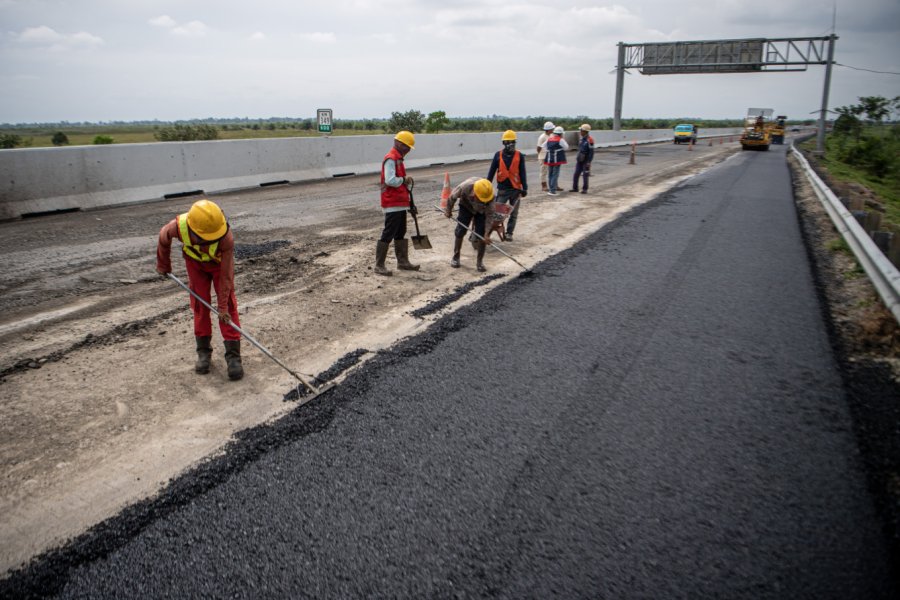
Conclusion: The Road Ahead for Bangladesh’s Bitumen Technologies
The five bitumen trends transforming Bangladesh’s highways in 2025—Polymer-Modified Bitumen, Warm Mix Asphalt, Reclaimed Asphalt Pavement, Smart Road Technologies, and High-Modulus Asphalt Concrete—represent much more than technical innovations. Together, they form a comprehensive strategy addressing the unique challenges facing the country’s transportation infrastructure while supporting broader national development goals.
As Bangladesh continues its progression toward developed nation status, these advanced bitumen applications provide the foundation for a sustainable, resilient, and efficient highway network capable of withstanding environmental challenges while meeting growing economic demands. The successful implementation of these technologies demonstrates Bangladesh’s commitment to infrastructure excellence and positions the country as an emerging leader in sustainable transportation development in South Asia.
The investments being made today in these innovative bitumen technologies will yield dividends for decades to come, creating lasting infrastructure that connects communities, supports economic growth, and improves quality of life across Bangladesh.