Venezuela’s Oil Output Plummets Amid U.S. Pressure
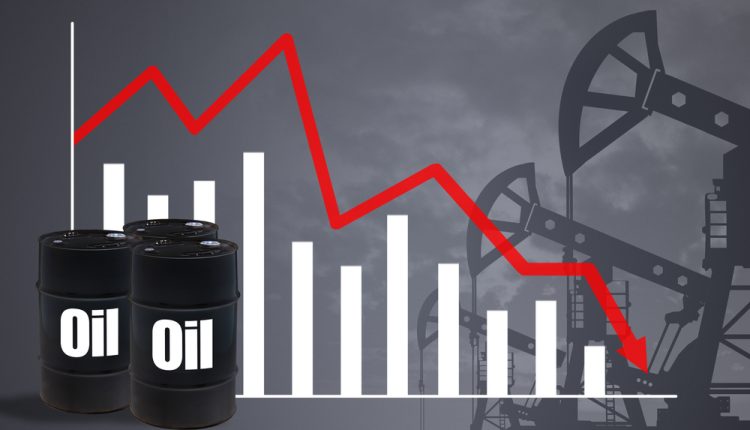
Venezuela’s oil industry is facing a critical juncture. The nation’s state oil firm, PDVSA, has begun a significant reduction in output, a direct consequence of the ongoing U.S. naval blockade and export restrictions. This situation is rapidly filling available storage, leaving PDVSA with few options.
Mounting Pressure on PDVSA
The move to curtail production extends to PDVSA’s joint ventures, including those with major players like Chevron. Sources familiar with the operations indicate that these partners have been asked to scale back output by temporarily shutting down wells and production clusters.
This isn’t simply a logistical issue; it’s a calculated strategy by the U.S. to intensify pressure on Venezuela. The aim is to disrupt the Maduro government’s primary revenue stream and force political change.
Joint Ventures Respond
Petrolera Sinovensa, a joint venture between PDVSA and China National Petroleum Corporation (CNPC), was reportedly preparing to disconnect up to ten well clusters as of Sunday. This action demonstrates the immediate impact of PDVSA’s directives.
However, Chevron’s joint ventures, Petropiar and Petroboscan, have not yet initiated production cuts. Petropiar currently retains some available storage capacity, offering a temporary buffer.
U.S. Strategy and “Oil Quarantine”
The recent arrest of Nicolas Maduro by U.S. forces, pending trial in New York, has solidified the U.S. approach. Officials are now referring to the blockade as an “oil quarantine,” a deliberate attempt to reshape Venezuela’s oil industry.
Secretary of State Marco Rubio articulated this strategy, stating the U.S. will maintain the quarantine until conditions align with both U.S. national interests and the needs of the Venezuelan people. He emphasized this is the extent of direct U.S. intervention, framing it as leveraging economic pressure for desired outcomes.
A Complex Situation
Despite the broader restrictions, tankers continue to load crude pumped by Chevron, destined for the United States under a special license from the U.S. Treasury. This highlights the nuanced nature of the sanctions and the continued, albeit limited, flow of Venezuelan oil to the U.S. market.
Readers seeking deeper insights can contact Gulf Petro Vision for industry guidance.
Future of Venezuelan oil production
The long-term implications of this “oil quarantine” remain uncertain. The U.S. is betting that economic pressure will yield political concessions. However, the situation is fraught with risks, including potential humanitarian consequences and further instability in the region. The future of Venezuelan oil production hinges on the outcome of these complex geopolitical maneuvers.
The effectiveness of this strategy will be closely watched by other oil-producing nations and international markets. The current situation underscores the vulnerability of energy supplies to political pressures and the potential for significant disruptions. The fate of Venezuelan oil production is now inextricably linked to the evolving political landscape.
Looking Ahead
The coming months will be critical. The U.S. is signaling a commitment to maintaining the pressure, hoping to achieve a favorable resolution. But the resilience of the Maduro government and the potential for unforeseen consequences could complicate matters.