U.S.–Iran Interim Agreement and Its Impact on Global Energy and Bitumen Markets
1. Overview of the Interim Agreement
The recent interim agreement between the United States and Iran has attracted strong attention across global energy, shipping, insurance, and construction material markets. The Middle East has once again become a key pricing hub for crude oil, fuel oil, maritime freight, and bitumen.
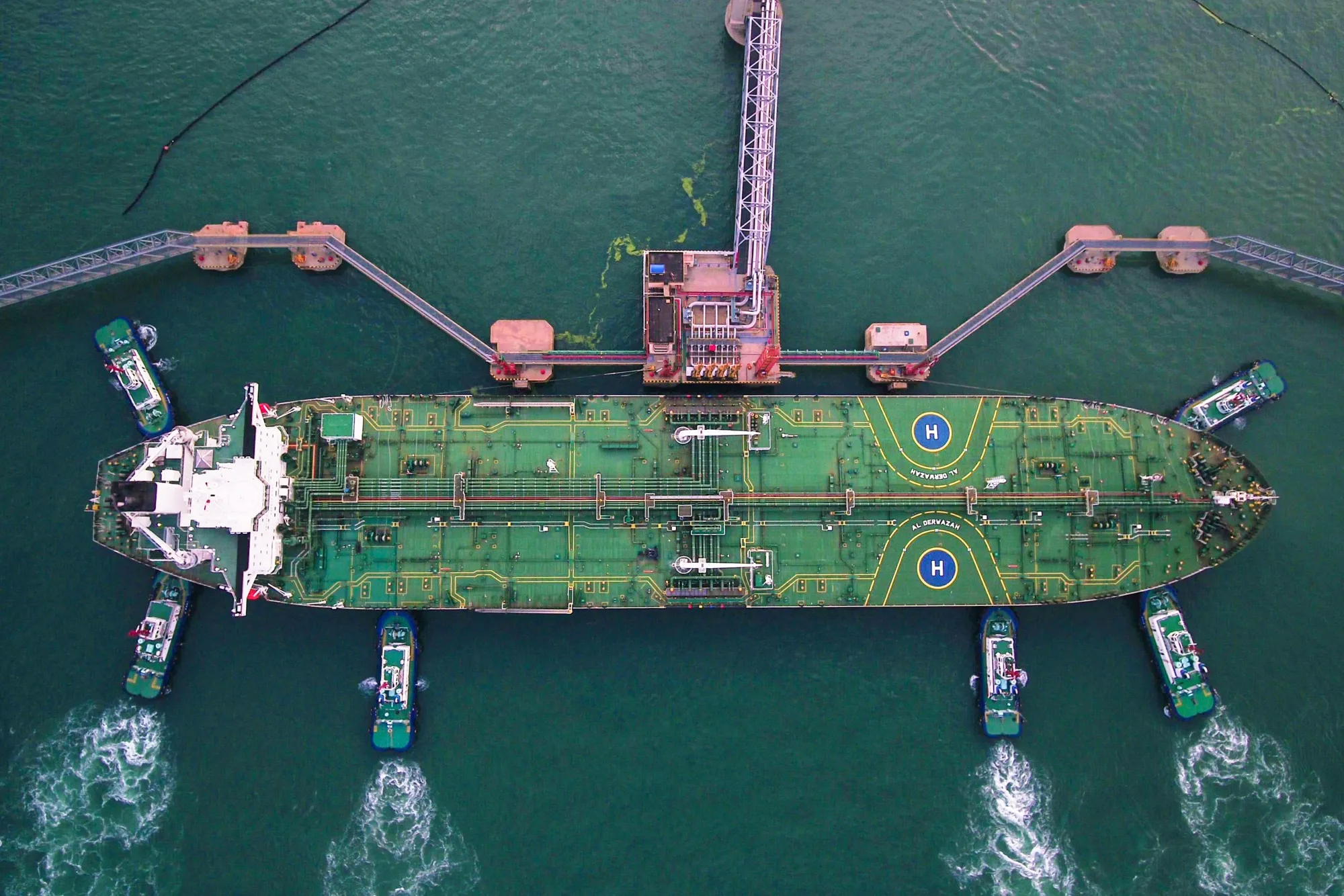
The Strait of Hormuz remains one of the world’s most critical shipping routes, handling not only crude oil but also refined products, base oils, vacuum residue, and bitumen cargoes destined for Asia, Africa, and Europe. Although the reopening of maritime traffic has reduced extreme supply risk scenarios, full commercial stability has not yet been restored.
2. Nature of the Agreement and Political Context
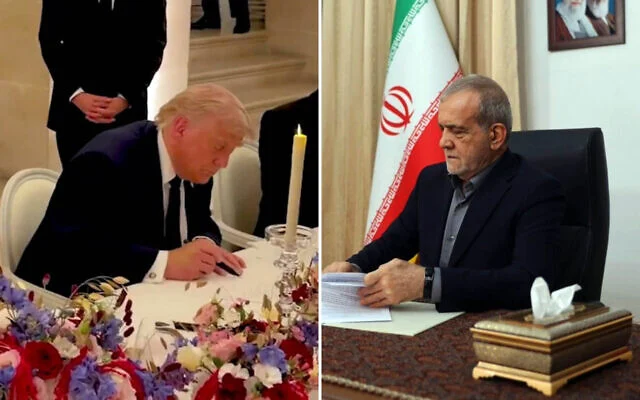
The agreement is described as a temporary memorandum of understanding signed at the political level between U.S. President Donald Trump and Iranian President Masoud Pezeshkian.
It does not represent a final nuclear settlement but instead introduces a limited negotiation window of approximately 60 days. During this period, both sides are expected to maintain partial de-escalation and allow controlled maritime movement through the Strait of Hormuz. However, the situation remains sensitive to regional and operational risks.
3. Maritime and Operational Developments
U.S. Central Command has reportedly suspended enforcement actions restricting maritime traffic to and from Iranian ports. This has reduced one of the major barriers to regional shipping flows.
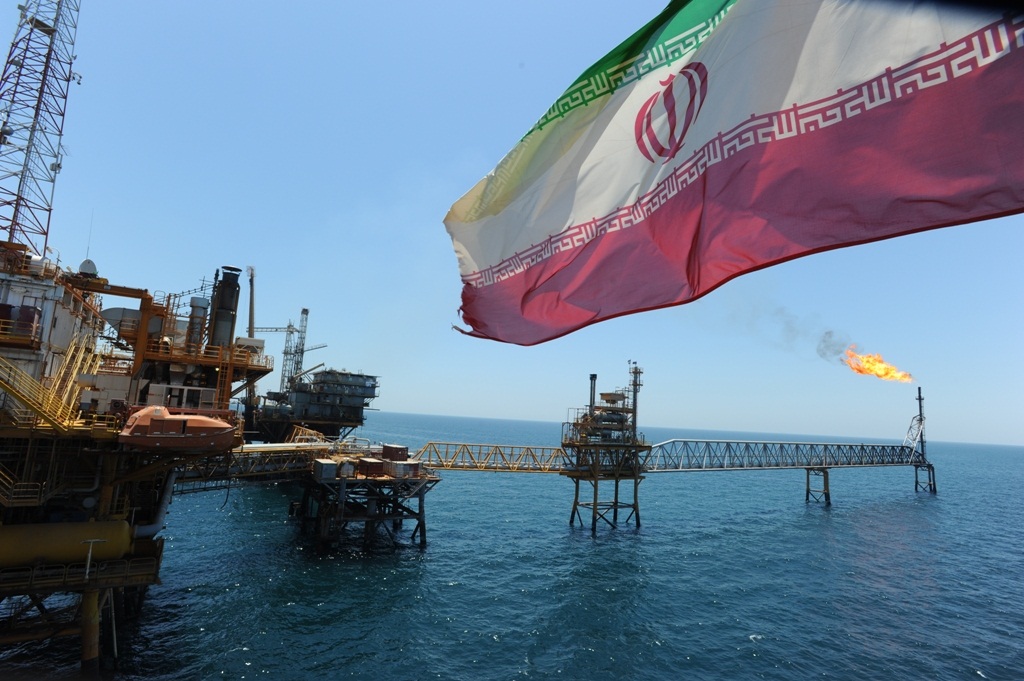
At the same time, Iran has introduced temporary measures, including waiving certain transit fees and requiring advance coordination for vessel movements. As a result, the Strait of Hormuz is operational but not yet functioning at full commercial capacity.
4. Current Vessel Traffic Situation
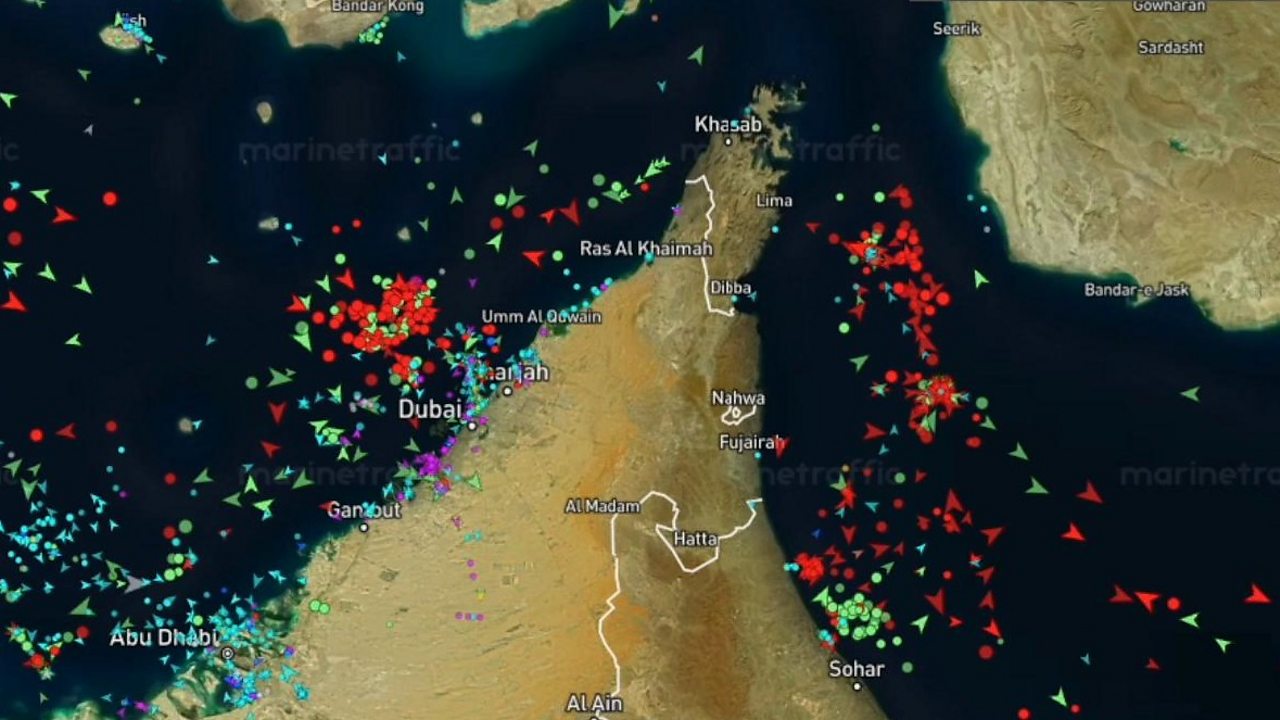
Recent vessel tracking data indicates partial recovery in maritime traffic:
- Around 25 vessels per day recently passed through the Strait
- Normal levels are typically 120–130 vessels per day
This shows that while trade is resuming, activity remains significantly below normal conditions. The movement of several large crude tankers through the Strait has been seen as an early signal of improving market confidence.
5. Impact on Global Oil Markets
Oil markets responded quickly to easing supply risk perceptions. Brent crude prices declined as traders priced in improved Gulf supply flows and potential gradual return of Iranian exports.
However, physical oil markets adjust more slowly than financial markets due to:
- Shipping queues
- Insurance approvals
- Port congestion
- Contractual and documentation delays
Therefore, full normalization is still in progress.

6. Impact on Bitumen Markets
Bitumen pricing is influenced by multiple cost components, including:
- Crude oil trends
- Vacuum residue availability
- Refinery utilization rates
- Freight and vessel availability
- Insurance premiums
- Payment and sanctions-related risks
If crude prices remain under pressure, feedstock costs for bitumen may decrease. However, high freight and insurance costs could continue to support elevated CFR prices.

7. Export Outlook for Iranian Bitumen
Iranian bitumen exports are expected to see early improvements in demand as shipping confidence returns. Key export hubs such as Bandar Abbas may experience increased inquiries, but recovery depends on operational execution rather than political announcements.
Delays in routing approvals or navigation restrictions will continue to affect shipment costs and timing.
8. Bulk vs Drummed Bitumen Trade
Bulk bitumen shipments remain highly sensitive to:
- Vessel availability
- Insurance conditions
- Port scheduling
- Demurrage risk
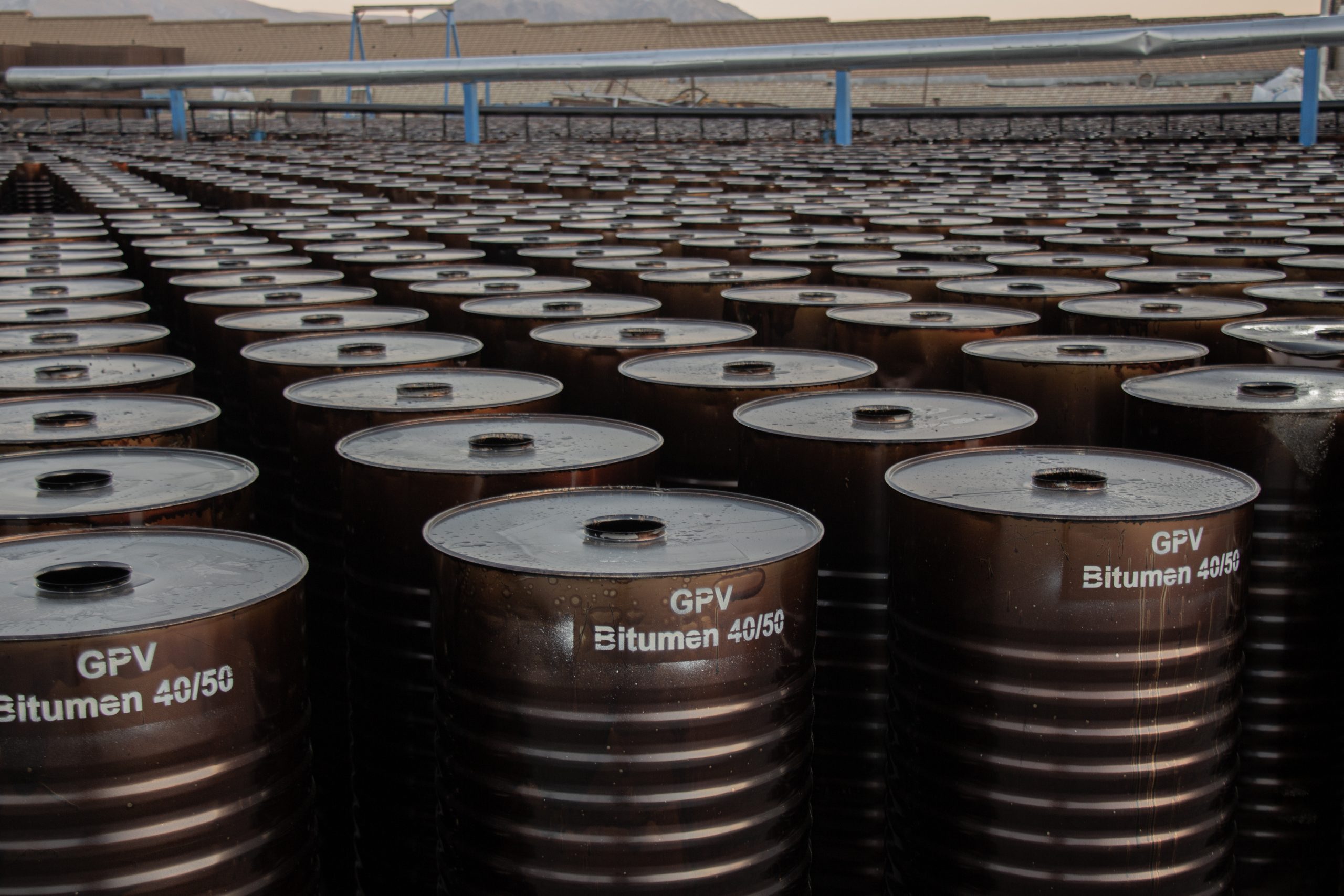
Drummed bitumen may recover faster due to greater logistical flexibility and smaller shipment sizes. Importers in East Africa, South Asia, and Southeast Asia will closely monitor freight trends and sailing schedules before making purchasing decisions.
9. Market Outlook
The overall outlook remains cautiously positive but unstable.
Key supporting factors:
- Partial lifting of maritime restrictions
- Gradual recovery in tanker traffic
Key risk factors:
- High insurance premiums
- Operational delays
- Regional political uncertainty

10. Conclusion
The U.S.–Iran interim agreement has reopened a critical maritime corridor and improved short-term sentiment in global energy markets. However, full normalization has not yet been achieved.
In the near term:
- FOB bitumen prices may soften with lower crude costs
- CFR prices may remain firm due to freight and insurance pressure
- Market recovery will remain gradual and uneven
Sustained improvement will depend on stable vessel traffic through the Strait of Hormuz and continued reduction in operational risks. For reliable supply of high-quality bitumen (50/70, 60/70, and other penetration grades), Gulf Petro Vision L.L.C provides complete commercial and technical support for your projects worldwide.