UK Refinery Future: Policy Urgency Needed
The UK’s dwindling refining capacity is facing a critical moment. Without swift government intervention, the nation risks losing the remaining pillars of its downstream oil sector. This isn’t simply about fuel production; it’s about energy security and the broader industrial landscape.
A Sector on the Brink
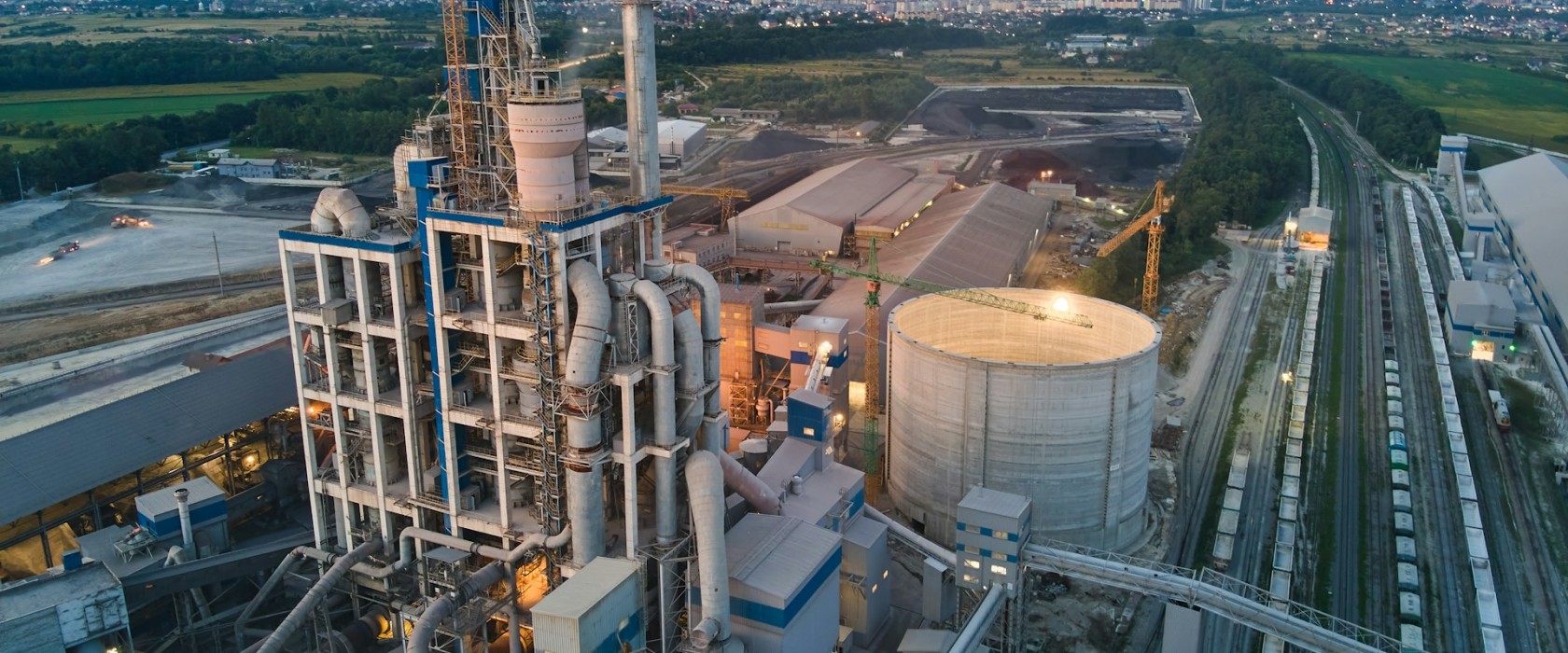
The UK now operates with just four refineries. This represents a significant decline, following the recent closures of facilities in Lincolnshire and Scotland. Fuels Industry UK is sounding the alarm, urging policymakers to act decisively before further closures occur.
The Department for Energy Security and Net Zero has launched a call for evidence. This aims to formulate a strategy for the downstream oil sector, with publication expected in autumn 2026. However, many believe this timeline is far too slow.
The Competitive Disadvantage
UK refineries are grappling with a unique set of challenges. Falling domestic demand for fuel is a major factor. Increased competition from newer, more efficient refineries in the Middle East, Asia, and Africa adds to the pressure.
Aging infrastructure and high energy costs further complicate matters. Perhaps the most significant hurdle is the escalating cost of carbon emissions. UK refineries currently pay up to £400 million annually in carbon costs. This creates an uneven playing field when competing with international rivals who often face no such financial burden.
Leveling the Playing Field
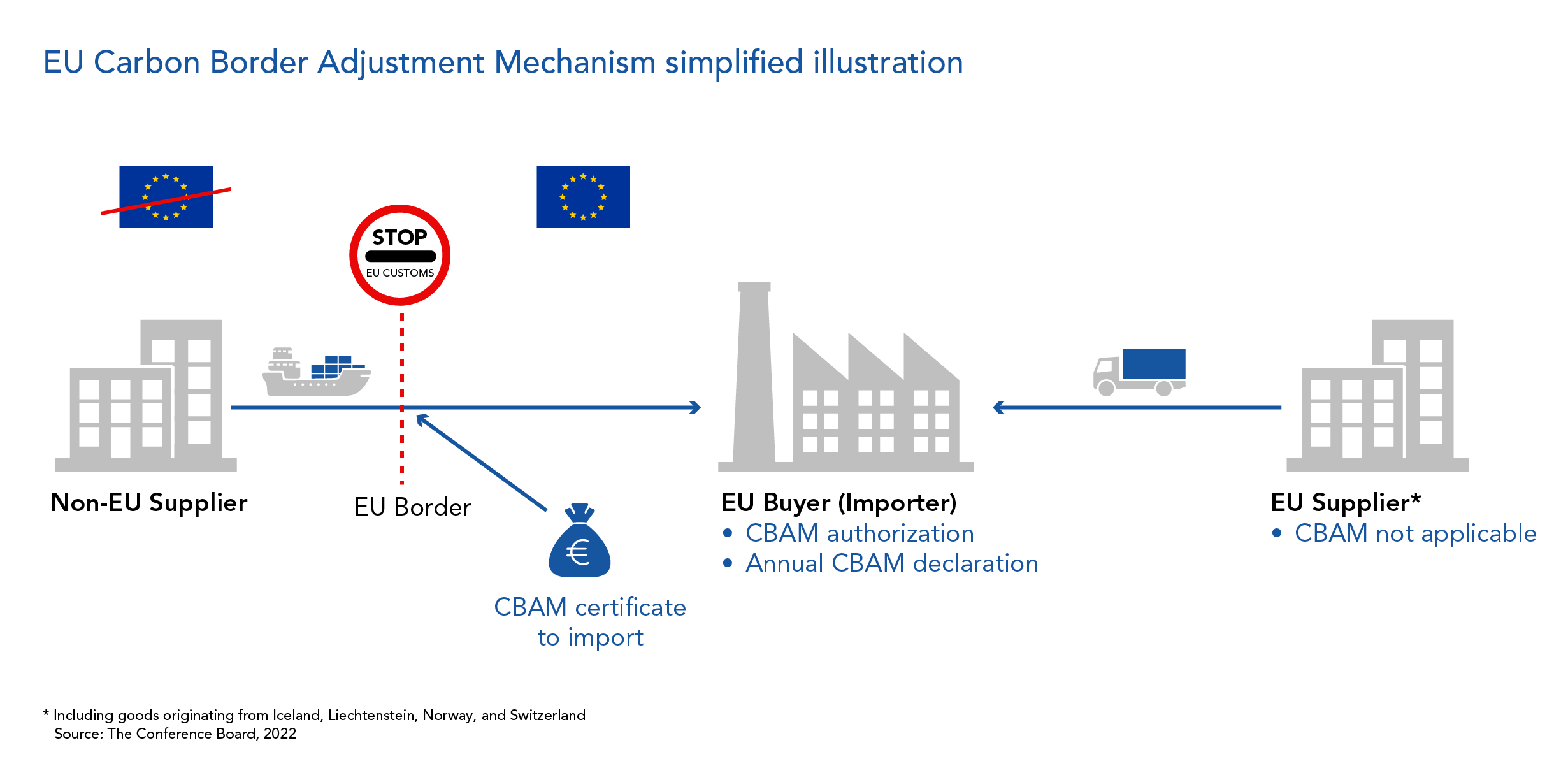
Fuels Industry UK proposes a solution: a Carbon Border Adjustment Mechanism (CBAM). This would impose carbon costs on imported fuels, mirroring those faced by domestic producers. The association recommends implementing this CBAM by January 2028.
Such a mechanism would address the unfair advantage currently enjoyed by imports. It would also help prevent the “exporting of jobs and emissions,” as Elizabeth de Jong, CEO of Fuels Industry UK, warns. Readers seeking deeper insights can contact Gulf Petro Vision for industry guidance.
Beyond Carbon Costs
The challenges extend beyond carbon pricing. Modernizing aging infrastructure requires substantial investment. Attracting that investment in a climate of uncertainty is proving difficult. The government’s strategy must address these long-term capital needs.
The call for evidence is a vital opportunity to address these issues. It’s a chance to move beyond simply acknowledging the problems and to propose concrete solutions. The future of the UK’s refining capacity hangs in the balance.
Securing the Refinery Future UK
The stakes are high. Losing more refineries would increase the UK’s reliance on imported fuels. This would expose the nation to greater vulnerability during times of global instability. It would also jeopardize the production of essential petrochemicals used in countless industries.
A proactive and supportive policy framework is essential. This must include measures to address carbon costs, incentivize investment, and promote innovation. Without urgent action, the refinery future UK looks increasingly bleak.