Trump Tightens the Screws on Venezuela oil Networks
The shift in Washington’s approach to Venezuela has become starkly clear. After a period of tentative engagement under the Biden administration, the focus has decisively returned to maximum pressure, with new sanctions aimed squarely at the heart of the Maduro regime’s financial lifeline: its oil networks. This renewed offensive signals a clear intent to dismantle the complex web of actors enabling Venezuela’s continued, albeit diminished, oil exports.
A Return to Hardline Tactics
The Treasury Department’s recent actions are far-reaching, targeting not only members of the Maduro family but also key facilitators who have allowed Venezuela’s oil to reach international markets despite existing sanctions. The re-designation of three nephews of Cilia Flores, Maduro’s wife – including those previously convicted on narcotics charges – underscores the administration’s willingness to revisit past leniencies. Their alleged immediate return to illicit activities upon receiving clemency appears to have been a key factor in the decision. This isn’t simply about oil; it’s about a broader crackdown on corruption and criminal networks intertwined with the Venezuelan government.
Targeting the Shadow Fleet
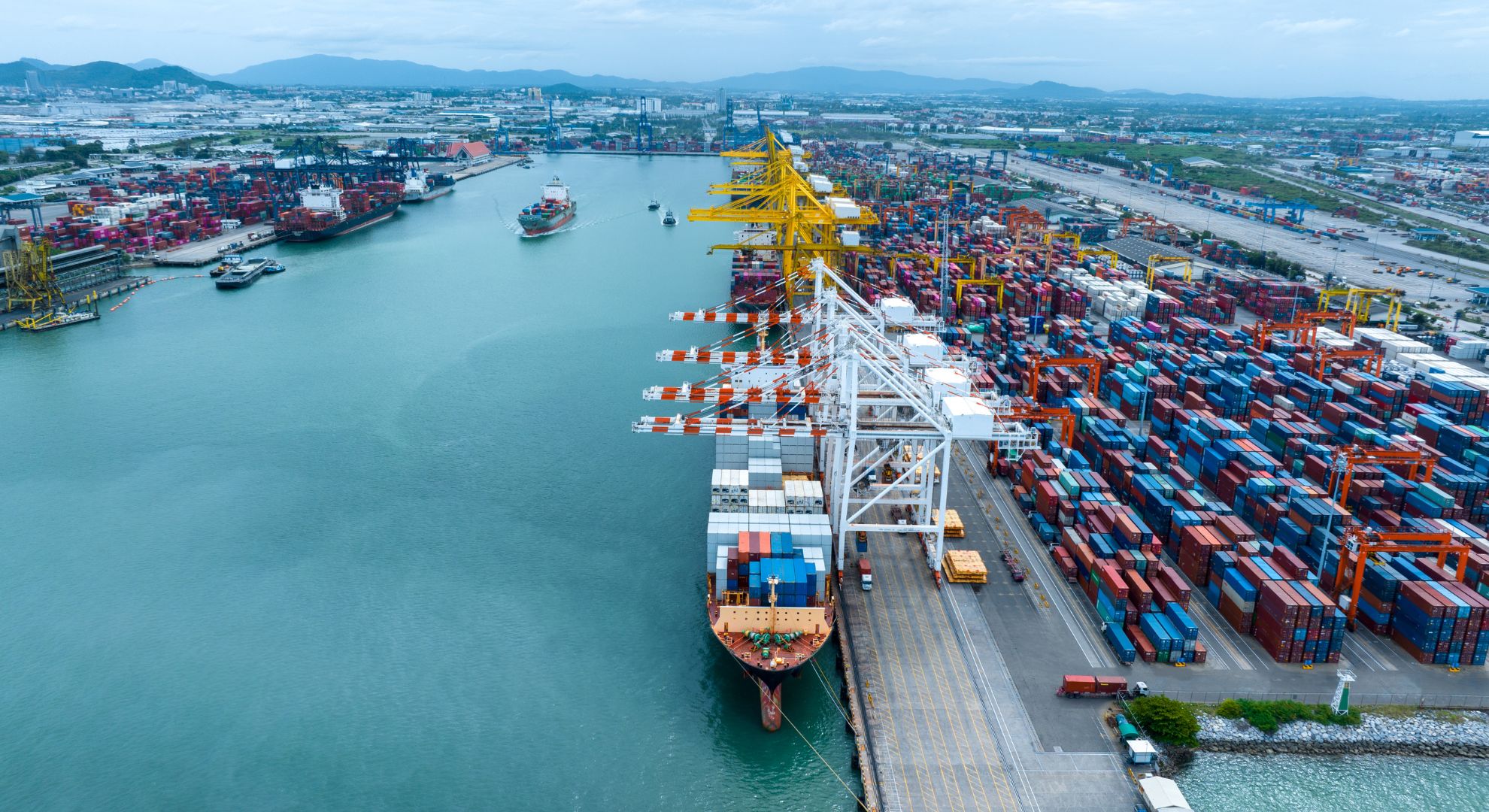
Perhaps the most impactful aspect of the new sanctions is the targeting of six shipping firms and six tankers.
These vessels, often registered in countries with lax rules, help circumvent sanctions by hiding routes and cargo. AIS spoofing and secret ship-to-ship transfers have kept Venezuelan crude flowing, though at a slower pace. Ships like WHITE CRANE and KIARA M, recently loading Venezuelan crude, are now blocked from the U.S. financial system.
This move directly attacks the logistical backbone of Venezuela’s remaining oil exports.
The Fragile State of PDVSA
Venezuela’s oil sector has been in a state of prolonged decline for years, long before the imposition of U.S. sanctions. Years of mismanagement, underinvestment, and corruption have crippled PDVSA, the state-owned oil company. What remains is a patchwork operation reliant on aging infrastructure, joint ventures, and a constant game of cat and mouse with sanctions enforcement. The current situation isn’t a sudden collapse, but a gradual erosion of capacity. The new Treasury designations will undoubtedly accelerate this trend, further constricting the already narrow channels for Venezuelan oil exports. Readers seeking deeper insights can contact Gulf Petro Vision for industry guidance.
Beyond Economics: A Broader Strategy
The renewed focus on Venezuela is not just economic. It reflects broader pressure, including increased military activity and counter-narcotics operations. Recent tanker seizures and actions against alleged narcotics vessels show U.S. influence in the region. Experts warn that a leadership change alone wouldn’t quickly revive the energy sector. Restoring PDVSA requires massive investment and political stability, which remain distant. The administration’s message is clear: sanctions evasion is narrowing, and Washington is actively enforcing its Venezuela oil policies.
Enforcement and the Future
The effectiveness of these new sanctions will depend on sustained enforcement and international cooperation. While the U.S. has taken a firm stance, the involvement of other nations in facilitating these illicit oil trades remains a challenge. The long-term impact on Venezuela’s economy and political landscape remains to be seen, but one thing is certain: the brief period of relative flexibility is over, and the pressure on the Maduro regime is intensifying.