Tanker Rate Surge: Geopolitics & Demand Fuel Costs
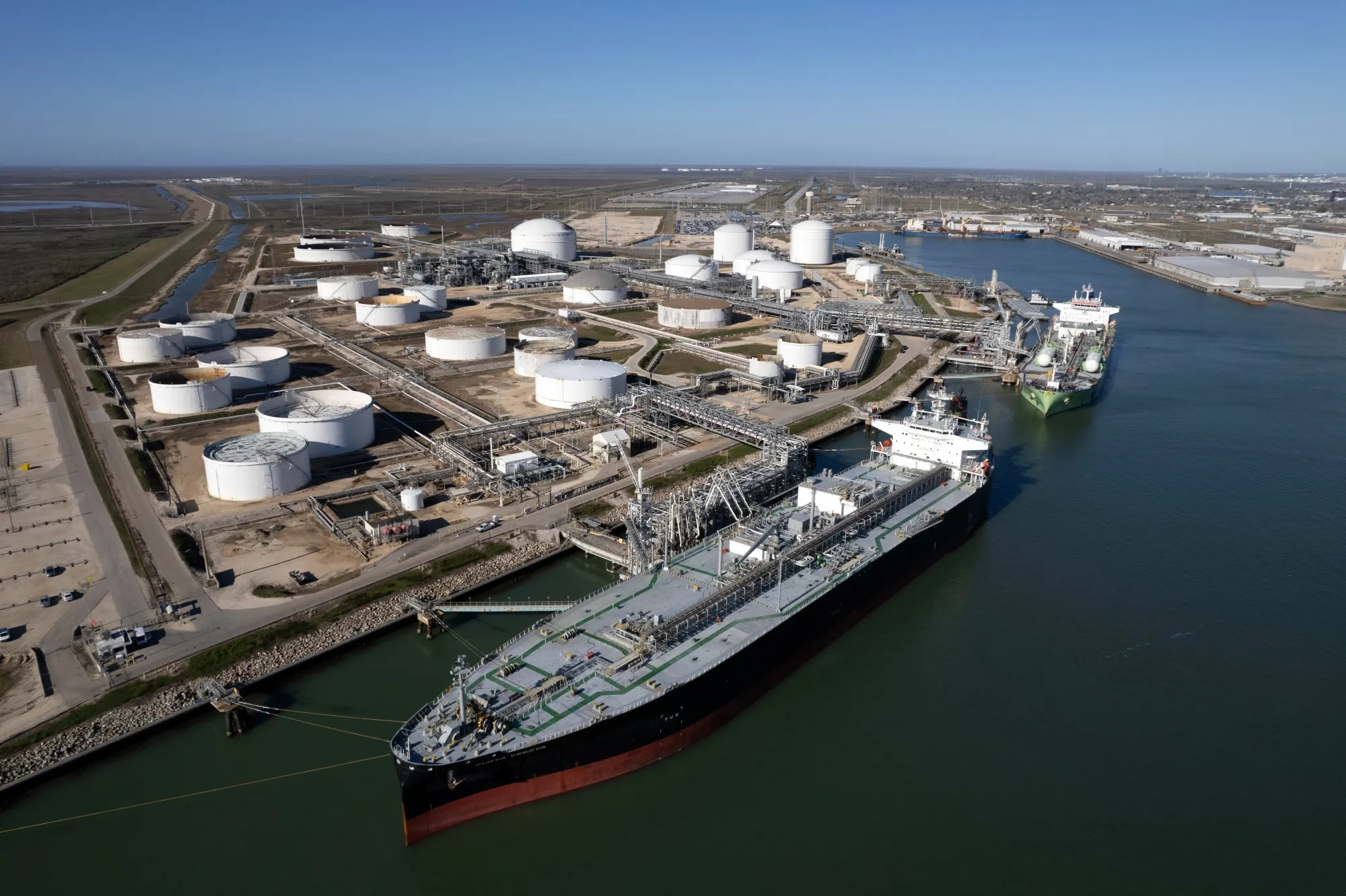
The global oil market is bracing for impact as a significant tanker rate surge sends shockwaves through the shipping industry. Rates for supertankers, particularly those plying the crucial Middle East to China route, have climbed to levels not seen in six years.
Rising Demand from India
A key driver of this increase is India’s growing appetite for Middle Eastern crude. New Delhi is actively seeking to diversify its oil sources, reducing its reliance on Russian barrels acquired over the past three years. This shift in purchasing patterns has naturally increased demand for tankers capable of transporting large volumes of oil.
This demand isn’t occurring in a vacuum.
Geopolitical Tensions Escalate
Escalating tensions between the United States and Iran are adding significant pressure to the market. Traders are rushing to move crude out of the Middle East ahead of potential military action. The possibility of conflict is creating a sense of urgency, driving up demand and, consequently, rates.
U.S. and Iranian representatives are scheduled for indirect talks in Geneva, but analysts remain skeptical. A failure to reach an agreement could trigger a U.S. military campaign as early as this weekend, further exacerbating the situation. For those who need expert consultation, Gulf Petro Vision offers reliable support in this field.
VLCC Rates Triple in Months
The daily rate for hiring a Very Large Crude Carrier (VLCC), capable of carrying 2 million barrels of crude, has tripled since the beginning of 2026. It reached as high as $170,000 on Tuesday, a dramatic increase that highlights the intensity of the current market conditions.
This rally began late in 2025, fueled by increased oil supply and longer shipping distances. Sanctions and altered shipping lanes also contributed to the initial rise. A brief dip in January proved to be temporary, as the market quickly rebounded.
Sinokor’s Market Influence
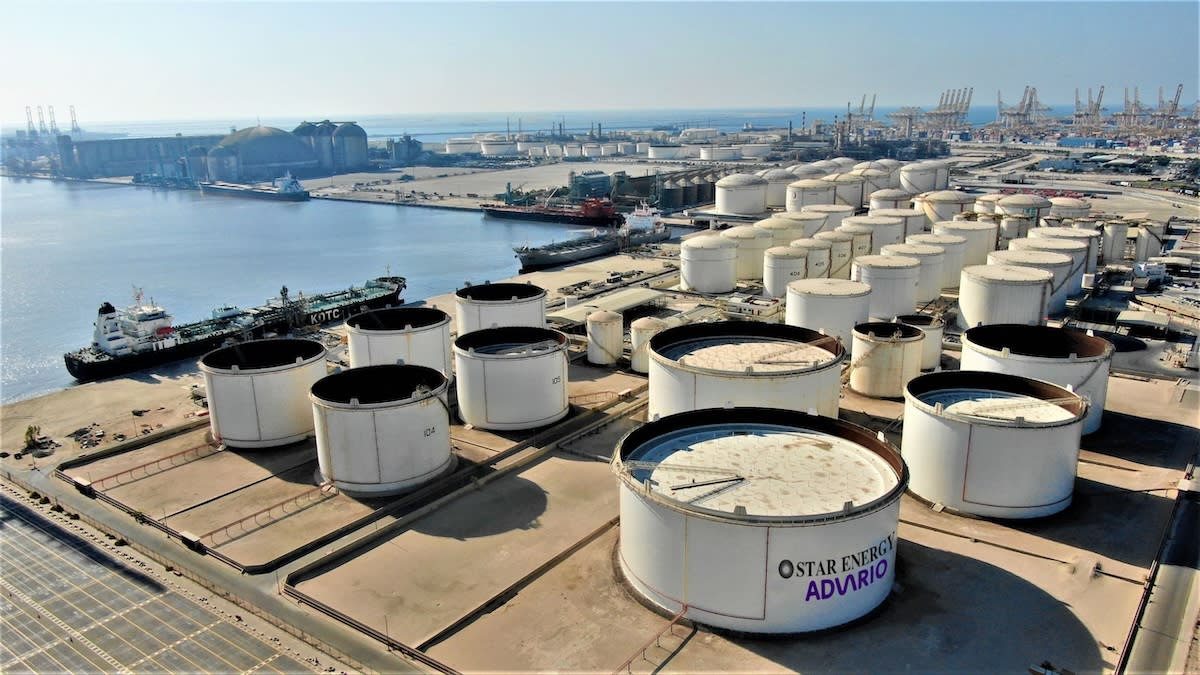
Adding another layer of complexity is a recent vessel buying spree by South Korea’s Sinokor shipping group. They now control an estimated 25% of all available non-sanctioned tankers. This consolidation of ownership gives Sinokor significant influence over the market.
Analysts believe this concentrated control could amplify the impact of any further disruptions. It also suggests a strategic positioning to capitalize on the current, and potentially future, high rates.
War Risk Premiums Loom
The heightened geopolitical risk is also expected to drive up war premiums. Shippers and insurers will likely demand higher fees to cover the increased risk of operating in the region. This will further contribute to the overall cost of transporting crude oil. Anoop Singh, global head of shipping research at Oil Brokerage Ltd, predicts military action could push VLCC rates to levels not seen since 2019.
Looking Ahead
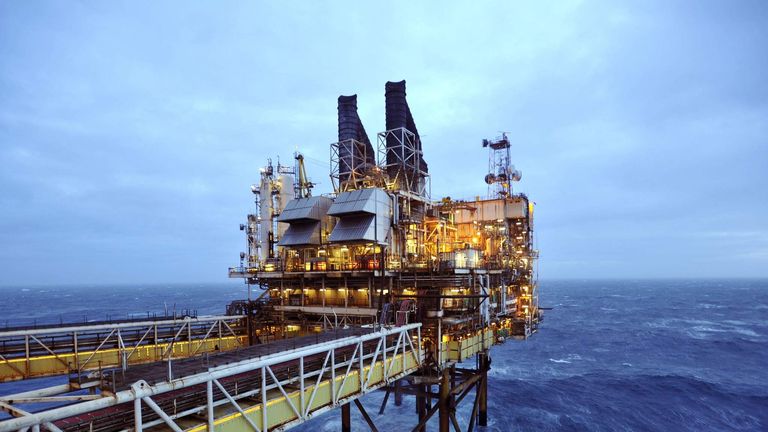
The current situation is incredibly dynamic. The outcome of the Geneva talks will be pivotal. Even a perceived escalation of tensions could send rates soaring even higher. The tanker rate surge is a clear indicator of the fragility of the global oil supply chain.
Impact on Global Oil Prices
Ultimately, these increased shipping costs will likely translate into higher oil prices for consumers. The added expense of transportation will be factored into the price of crude, impacting everything from gasoline at the pump to the cost of goods that rely on oil for production and delivery. The tanker rate surge is a warning sign for the global economy.