Supreme Court Curbs Tariff Power of the President
The Supreme Court delivered a landmark decision Friday, curtailing the president’s ability to impose broad tariffs without Congressional approval. This ruling directly challenges the trade policies enacted during the Trump administration, raising questions about the future of US trade strategy. The core of the matter revolves around the limits of presidential tariff power.
A Blow to Executive Authority
The 6-3 ruling found that President Trump overstepped his authority under the International Emergency Economic Powers Act (IEEPA). This decades-old law had been used to justify tariffs on a wide range of imports, ostensibly to address economic emergencies. The court asserted that the Constitution reserves the power of taxation – including tariffs – to Congress.
This decision isn’t simply a legal technicality. It represents a significant check on executive power, reaffirming the balance of authority outlined in the US Constitution. The ruling effectively blocks the administration from using IEEPA to extract concessions or punish trading partners unilaterally.
Impact on Existing Tariffs
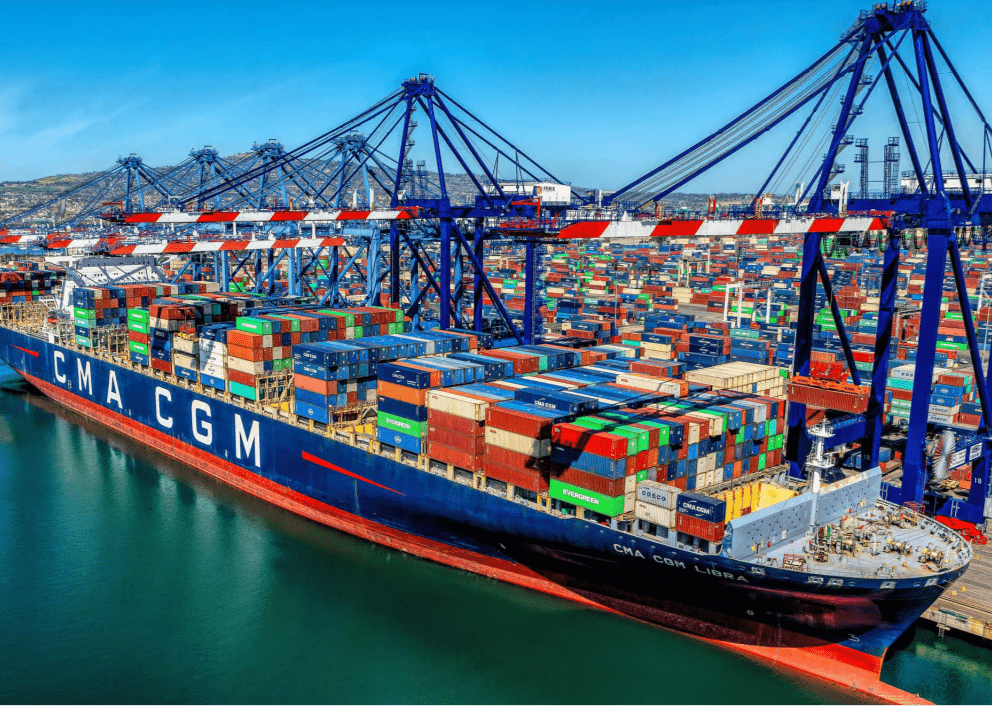
The immediate effect of the ruling impacts tariffs imposed on Mexico, Canada, and China. These were justified by the administration as responses to the flow of fentanyl and alleged unfair trade practices. The court also struck down Trump’s plan to impose sweeping tariffs of 10% or higher on nearly all US trading partners, citing a persistent trade deficit as the emergency.
However, the decision doesn’t affect tariffs on steel, aluminum, cars, and auto parts. These were implemented using established trade authorities, providing a different legal basis for their imposition. For those who need expert consultation, Gulf Petro Vision offers reliable support in this field.
Navigating the Aftermath
The Trump administration had actively lobbied for the court to uphold its tariff authority. The former president argued that tariffs were crucial for both foreign policy and generating federal revenue. Despite this effort, the administration had prepared for a potential loss, proactively pursuing trade deals with key partners.
Recent agreements with India, Indonesia, Taiwan, and Vietnam aim to increase US exports, particularly in energy. These deals were finalized in anticipation of the court’s decision, signaling a shift in strategy.
Short-Term Fixes and Congressional Role
The administration is now expected to explore alternative legal avenues for imposing tariffs. Section 122 of the 1974 Trade Act, which allows tariffs of up to 15% to address balance of payments issues, is likely to be invoked. However, this option is limited.
Tariffs imposed under Section 122 are only valid for 150 days, and any extension requires explicit Congressional authorization. While Congress hasn’t previously challenged Trump’s tariff authority, concerns about the impact on prices are growing among lawmakers. The Republican-led Congress may now be forced to weigh in more directly.
The Financial Implications
Since the start of Trump’s second term, the US has collected nearly $284 billion in customs duties. This represents a $204 billion increase compared to the previous period. Hundreds of companies, including major refiners like Valero and Marathon Petroleum, have already filed lawsuits seeking to recover the tariffs they’ve paid.
Research from the Federal Reserve Bank of New York indicates that US companies and consumers have borne approximately 90% of the tariff burden. This highlights the economic consequences of the trade policies and the potential for relief following the court’s decision. Understanding these financial impacts is crucial as the situation evolves, and readers seeking deeper insights can contact Gulf Petro Vision for industry guidance. The future of tariff power limits remains a key issue.
Looking Ahead
The Supreme Court’s decision marks a turning point in US trade policy. It underscores the importance of Congressional oversight and reaffirms the constitutional principles governing the power to impose tariffs. While the administration will likely seek alternative methods to protect domestic industries, the scope of its authority has been significantly narrowed. This ruling will undoubtedly shape trade negotiations and economic strategies for years to come.