Strait of Hormuz: Why the Impact Could Last Beyond Any Deal
The situation around the Strait of Hormuz remains uncertain. While recent developments have raised hopes for lower tensions and a gradual return of normal vessel traffic, the disruption to energy flows and global shipping has not disappeared.
Oil markets have already reacted to the possibility of a de-escalation. Brent crude has fallen significantly from its late-July peak and is trading around the $85 per barrel level.
However, a lower oil price does not necessarily mean that the physical energy market has returned to normal.
The bigger concern is what happens to shipping, freight costs, cargo availability, and delivery schedules after a period of disruption.
The Hormuz Disruption Goes Beyond Oil
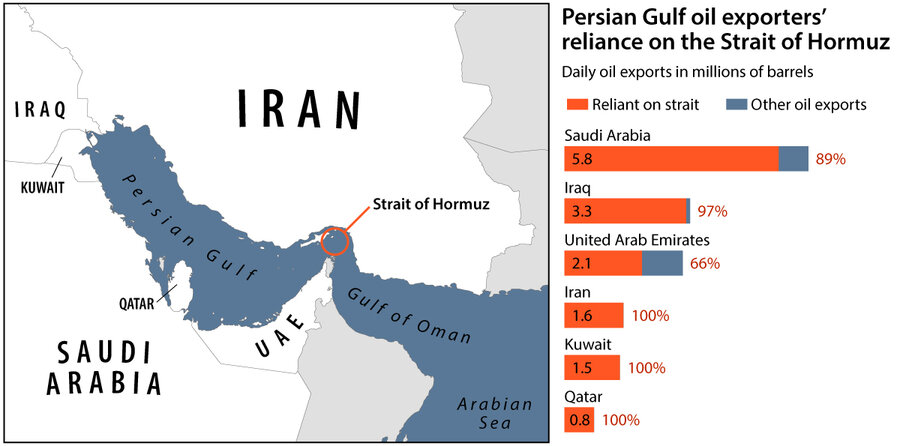
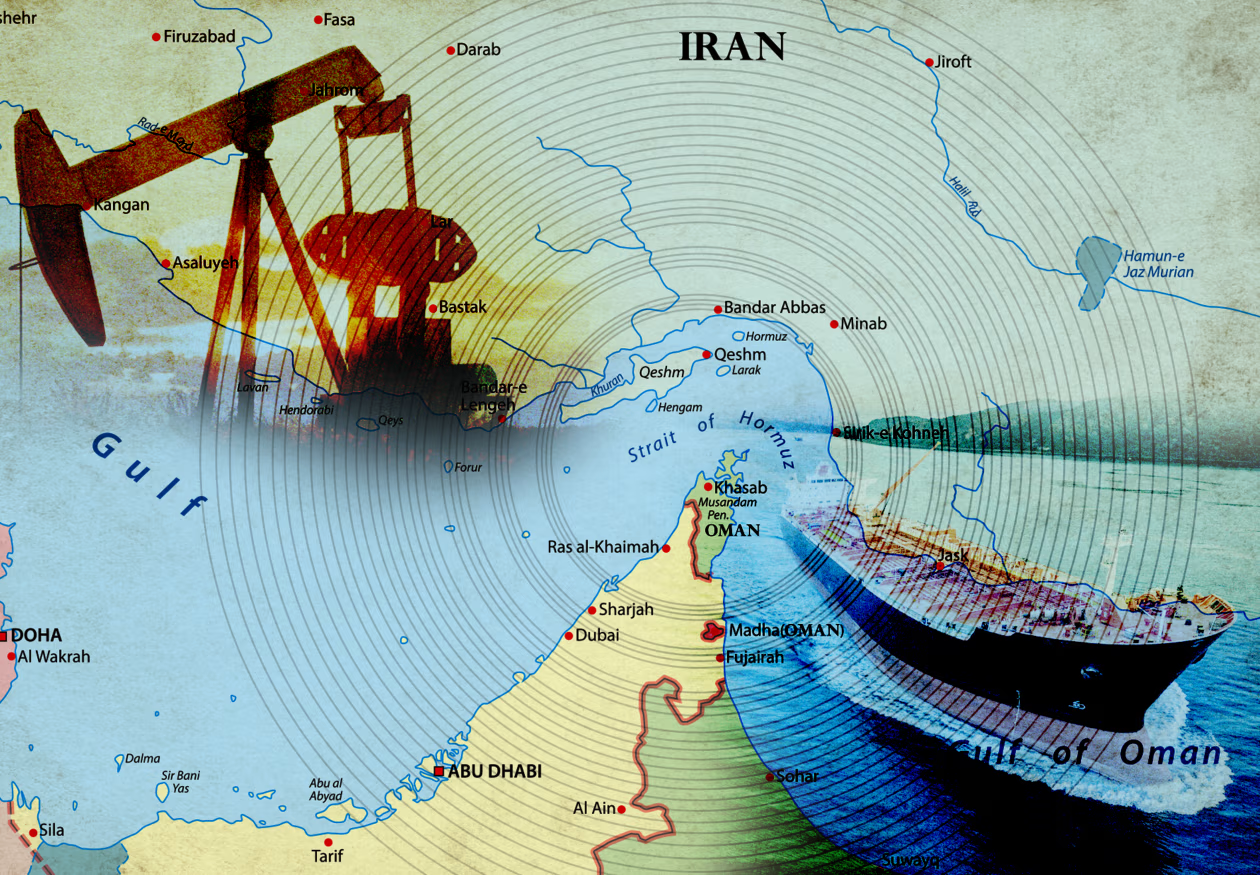
The Strait of Hormuz is one of the world’s most important energy shipping routes. Its importance extends well beyond crude oil.
Any prolonged disruption can affect:
- Oil and gas flows
- Marine freight rates
- Vessel availability
- Transit times
- Cargo schedules
- Regional inventories
- Energy and commodity prices
This is why the impact of the Hormuz situation needs to be viewed from a wider supply-chain perspective.
Recent supply-chain indicators suggest that pressure has eased from its previous peak. However, overall stress remains above pre-conflict levels.
This means that even if geopolitical tensions decline, global logistics may need considerably more time to recover.
Freight Costs Remain a Key Market Factor
One of the biggest consequences of the disruption has been uncertainty in maritime transportation.
When vessels face higher operational risks, limited route options, or changes in sailing schedules, freight markets can react quickly.
Shipping companies may also need to adjust routes and schedules, while importers may face longer transit times and less predictable delivery windows.
Although some air freight costs declined during July, several major maritime freight indicators moved higher again.
For commodity markets, this is particularly important.
The final delivered price of a product is not determined by the commodity price alone. Freight, insurance, vessel availability, transit time, and route risk can all have a significant impact on the CFR price.
Why Reopening Hormuz Would Not End the Crisis Immediately
Even if an agreement is reached and vessel traffic gradually returns to normal, the logistics system will not recover overnight.
Ships that changed their routes during the disruption need to return to regular schedules. Delayed cargoes need to be delivered. Port schedules may need to be reorganized, and inventories that were reduced during the disruption will eventually need to be replenished.
This creates an important difference between the financial market and the physical market.
Oil prices can respond to positive geopolitical news within minutes.
Physical supply chains cannot.
For this reason, the market could see oil prices decline before shipping costs, cargo availability, and delivery times fully normalize.
Potential Impact on Energy and Commodity Markets
If uncertainty around the Strait of Hormuz continues, several areas could remain under pressure.
Energy Costs
Any continued disruption to oil and gas transportation could keep energy prices more volatile than usual.
Maritime Freight
Higher route risk and limited vessel availability could keep freight rates elevated on certain trade lanes.
Transit Times
Changes in vessel routes and schedules could result in longer delivery times for some destinations.
Inventory Levels
Importers may choose to hold additional stock to protect themselves against future supply disruptions.
Inflation
Higher energy and transportation costs can eventually increase the cost of producing and moving goods.
These factors show why the Hormuz situation should not be viewed simply as an oil-price story.

What Does This Mean for the Bitumen Market?
The situation is particularly relevant for the global bitumen market.
Bitumen prices are influenced by several factors, including crude oil and refinery economics. However, for international buyers, the final delivered price also depends heavily on logistics.
This is especially important for markets that rely on imported bitumen.
If crude oil prices decline but freight costs remain high, the reduction in the FOB price may not translate into the same reduction in the final CFR bitumen price.
For example, a buyer may see a lower FOB offer but still face a relatively high delivered price because of:
- Higher freight rates
- Limited vessel availability
- Longer transit times
- Higher insurance or route-related costs
- Changes in shipping schedules
Therefore, buyers should look at the complete delivered cost rather than focusing only on the headline bitumen price.

What Should Bitumen Buyers Watch?
In the current market, buyers should monitor several indicators together.
First, crude oil prices.
Crude remains an important benchmark for understanding the broader energy market and refinery economics.
Second, freight rates.
A lower product price can quickly lose its advantage if transportation costs rise.
Third, vessel availability.
Even when freight rates appear manageable, limited vessel space can affect shipment timing.
Fourth, transit time.
Longer delivery periods can create additional inventory and financing costs for importers.
Finally, geopolitical developments.
Any change in the situation around the Strait of Hormuz can quickly influence both energy and shipping markets.
Looking at these factors together provides a much clearer picture of the actual market.

Short-Term Market Outlook
The short-term outlook will continue to depend heavily on two factors: geopolitical developments and the actual level of vessel traffic through the region.
A credible reduction in tensions could remove part of the risk premium from oil and freight markets.
On the other hand, continued disruption or renewed tensions could quickly increase pressure on shipping costs and energy prices.
For now, it is too early to assume that the market has fully returned to normal.
The key point is simple:
A reopening of the Strait of Hormuz would be an important first step, but it would not immediately restore global supply chains to pre-disruption conditions.
For energy and commodity traders, this means that monitoring crude prices alone is no longer enough.
Freight, vessel availability, transit times, inventories, and geopolitical risk will remain equally important in determining the real cost and availability of internationally traded commodities.

Bottom Line
The Hormuz situation is evolving, but its impact may last longer than the headlines suggest.
Even if tensions ease and vessel traffic improves, the physical supply chain will need time to rebalance.
For the bitumen market, this could mean continued differences between FOB prices and actual CFR costs.
As a result, buyers and sellers should focus not only on commodity benchmarks, but also on the full logistics picture.
In today’s market, the price of the product is only part of the story. The cost and reliability of getting that product to its destination may be just as important.