Solubility Test of Bitumen: Procedure, Standards, Importance & Complete Quality Guide (ASTM D2042 Explained)
Introduction: Why Bitumen Purity Matters More Than You Think
How do engineers ensure that bitumen used in roads, airports, and waterproofing systems is truly pure and reliable?
The answer lies in a simple but powerful laboratory method called the solubility test of bitumen.
This test plays a critical role in determining whether bitumen contains unwanted impurities such as mineral particles, carbon residues, or processing contaminants. Even a small percentage of insoluble material can reduce pavement performance, weaken bonding with aggregates, and shorten the lifespan of roads.
In modern infrastructure projects, where durability and lifecycle cost matter, bitumen purity is not optional—it is essential.
That is why international standards such as ASTM D2042 require strict solubility limits, typically above 99.5% for high-quality paving-grade bitumen.

What Is the Solubility Test of Bitumen?
The solubility test of bitumen is a laboratory quality control test used to measure the purity of bituminous material by dissolving it in a specific solvent and determining the amount of undissolved residue.
Simple definition:
It measures how much of the bitumen is truly soluble in a standard solvent.
- High solubility = High purity bitumen
- Low solubility = Presence of impurities or contamination
Most paving-grade bitumen should show minimum solubility of 99.5%, meaning almost complete dissolution in solvent.

Why the Solubility Test of Bitumen Is Important
The solubility test is one of the most reliable indicators of bitumen quality in refinery and construction industries.
Key reasons it matters:
✔ Ensures Bitumen Purity
Confirms that the material is free from excess mineral matter or unwanted residues.
✔ Supports Road Performance
Pure bitumen improves adhesion with aggregates and enhances pavement durability.
✔ Detects Manufacturing Issues
Identifies contamination during refining, storage, or transportation.
✔ Ensures Compliance with Standards
Meets requirements of ASTM D2042, AASHTO T44, and EN standards.
✔ Reduces Construction Failures
Prevents cracking, stripping, and early pavement deterioration.
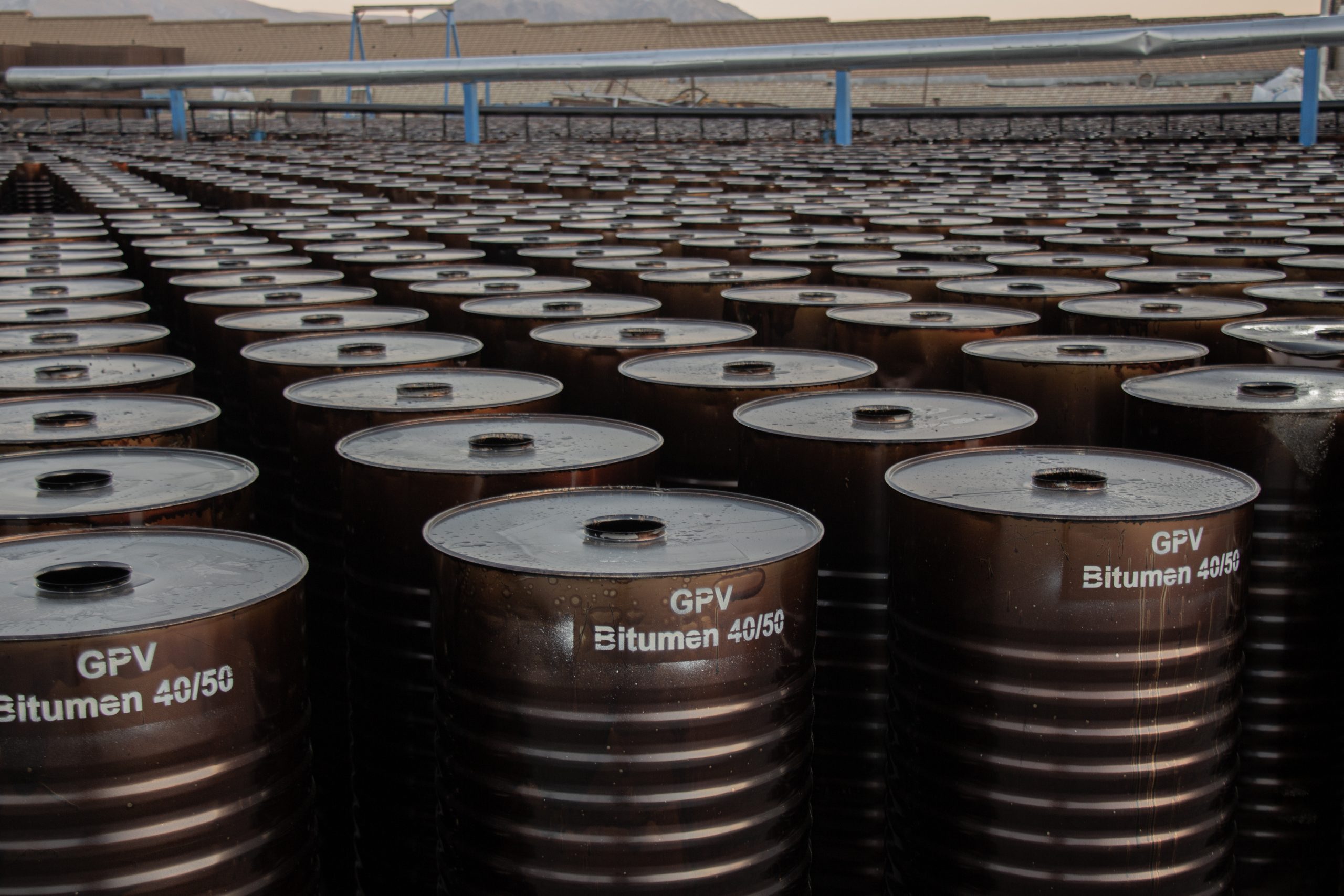
Principle of Solubility Test
The test is based on a simple scientific principle:
Pure bitumen dissolves completely in selected organic solvents, while impurities do not.
The solvent dissolves the bituminous portion, leaving behind any insoluble materials such as:
- Mineral particles
- Carbon residues
- Dust or external contamination
The remaining residue is measured to determine purity.

Solvents Used in Bitumen Solubility Test
Common solvents used include:
- Trichloroethylene (most widely used in ASTM methods)
- Toluene (used in modern alternatives)
- Carbon disulfide (older applications)
The choice of solvent depends on the testing standard and laboratory safety requirements.
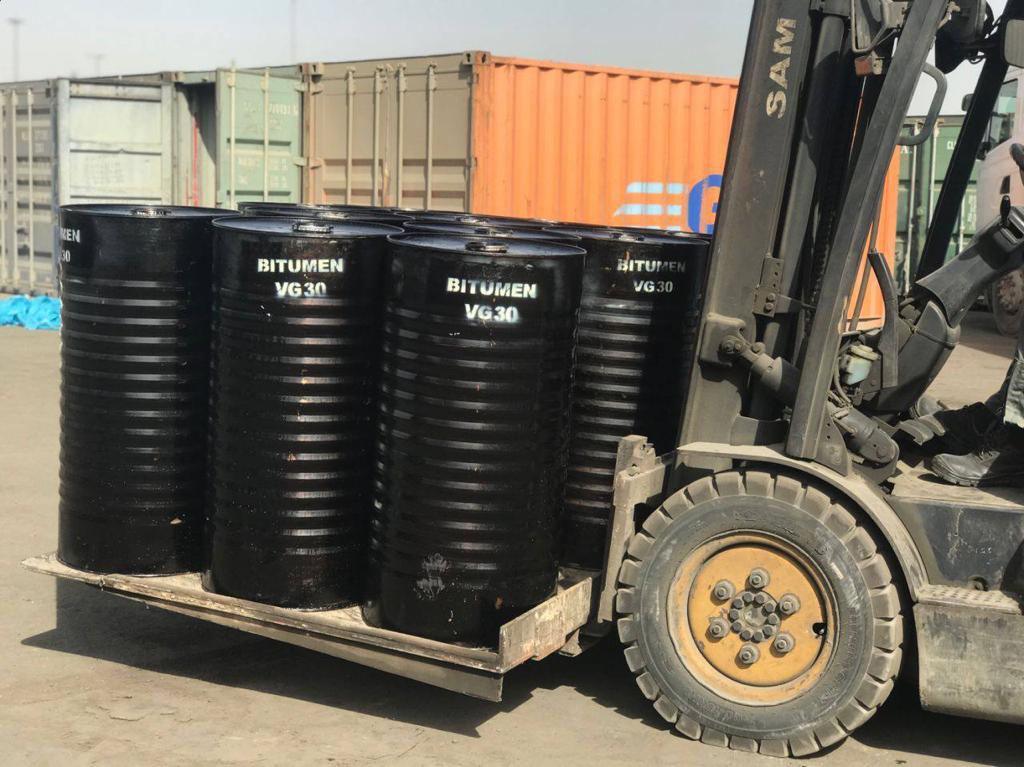
Step-by-Step Solubility Test Procedure (ASTM D2042 Method)
The solubility test follows a standardized laboratory procedure:
Step 1: Sample Preparation
A representative bitumen sample is carefully weighed to ensure accuracy.
Step 2: Dissolution
The sample is mixed with a specified solvent that dissolves the bitumen completely.
Step 3: Filtration
The mixture is filtered using a pre-weighed filtering crucible or filter paper.
Undissolved particles remain on the filter.
Step 4: Washing
The residue is washed repeatedly with solvent to remove remaining soluble bitumen.
Step 5: Drying
The filter and residue are dried under controlled temperature conditions.
Step 6: Weighing
The remaining insoluble material is weighed precisely.
Step 7: Calculation
Formula:
Solubility (%) = [(Original Sample Weight − Insoluble Residue Weight) ÷ Original Sample Weight] × 100
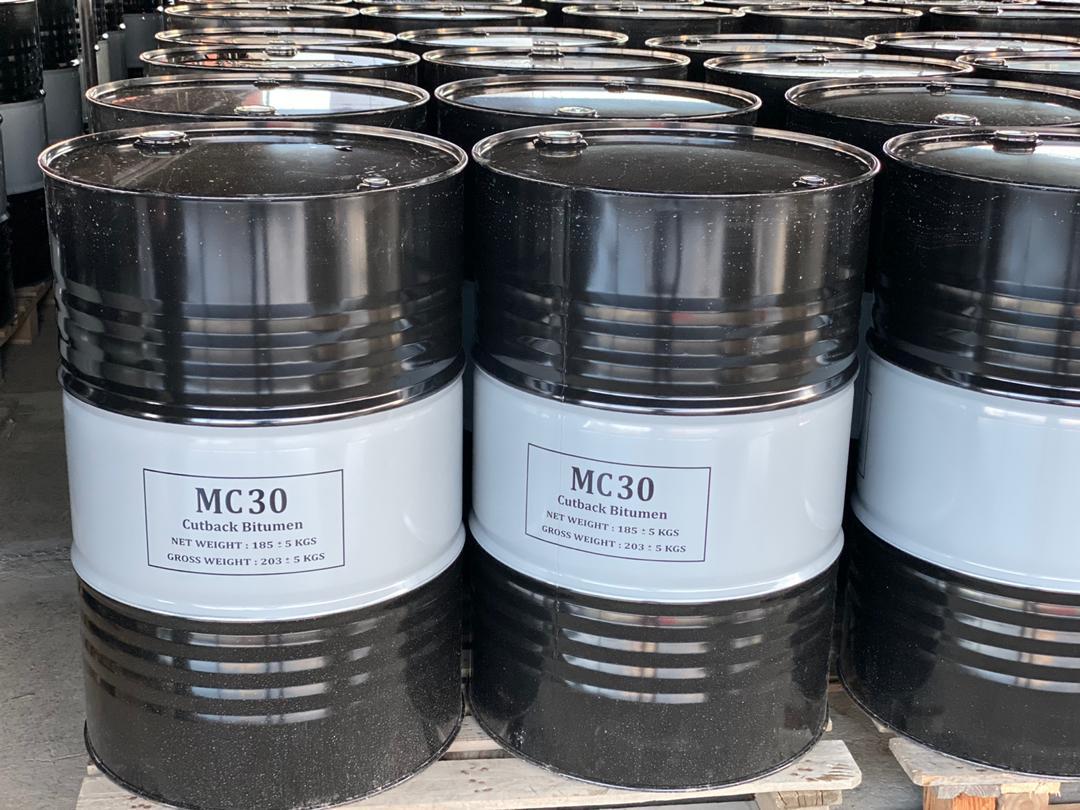
Acceptable Solubility Value of Bitumen
Industry standards define strict limits for solubility:
- ≥ 99.5% → Excellent quality (paving grade bitumen)
- 99.0% – 99.5% → Acceptable in some cases
- < 99.0% → Indicates contamination or poor quality
Lower solubility may indicate:
- Poor refining
- Storage contamination
- Oxidation issues
- Presence of non-bituminous matter

ASTM and International Standards
The solubility test is standardized globally:
ASTM D2042
Most widely used method for bitumen solubility testing.
AASHTO T44
Common in road construction specifications.
EN 12592
European standard for bitumen solubility testing.
These standards ensure consistency and global comparability of results.

Solubility Test vs Other Bitumen Tests
| Test | Property Measured | Purpose |
|---|---|---|
| Solubility Test | Purity | Detects impurities |
| Penetration Test | Hardness | Measures consistency |
| Softening Point | Temperature resistance | Heat stability |
| Ductility Test | Stretchability | Flexibility |
| Viscosity Test | Flow behavior | Workability |
The solubility test is unique because it evaluates chemical purity, not physical behavior.
Factors Affecting Solubility Test Results
Several factors can influence accuracy:
Raw Material Quality
Impure crude sources may increase insoluble content.
Refining Process
Incomplete processing leads to residue formation.
Oxidation
Aged bitumen may show altered solubility behavior.
Laboratory Errors
Incorrect filtration or weighing affects results.
Solvent Purity
Impure solvents reduce test reliability.
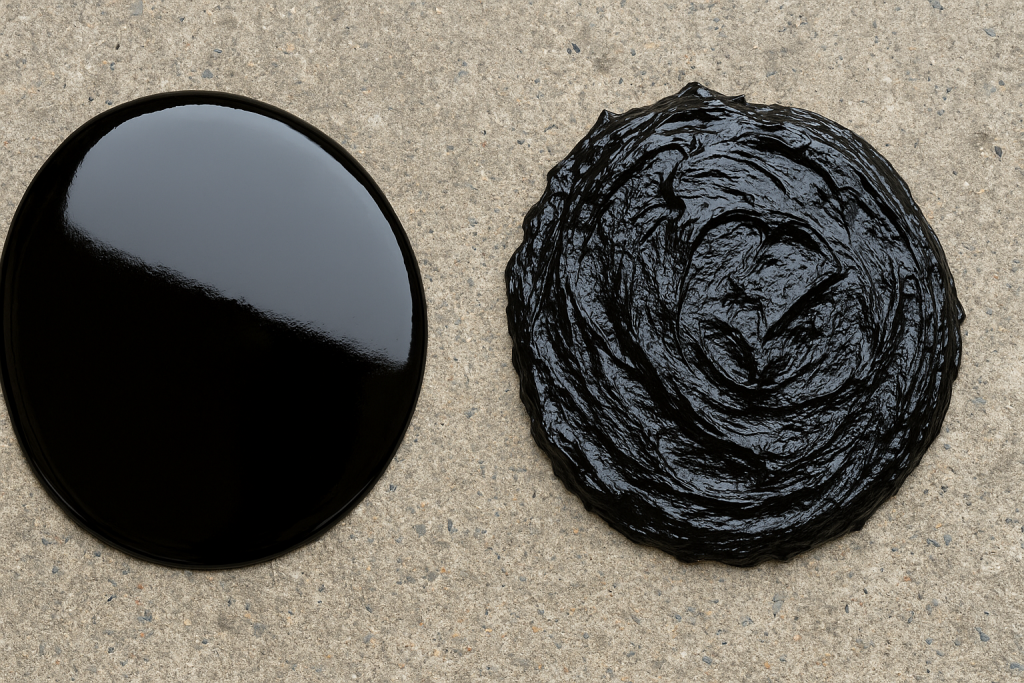
Applications of Solubility Test in Industry
The solubility test is widely used in:
- Bitumen refineries
- Asphalt production plants
- Road construction projects
- Airport runway development
- Waterproofing membranes
- Government quality inspections
- International trade certification
It is a mandatory quality control test in most export markets.

Common Problems Detected by Low Solubility
Low solubility values can indicate serious quality issues:
- Contamination with fine minerals
- Improper blending
- Overheating during production
- Foreign material intrusion during transport
- Storage tank contamination
Such issues can directly affect pavement lifespan.
Advantages of Solubility Testing
- High accuracy in purity measurement
- Quick and cost-effective method
- Globally standardized procedure
- Strong quality assurance tool
- Helps prevent construction failures
- Builds buyer confidence in exported bitumen
Limitations of the Solubility Test
Despite its importance, the test has limitations:
- Does not measure mechanical properties
- Cannot predict long-term aging behavior
- Must be combined with other tests for full evaluation
That is why it is always used alongside penetration, ductility, and softening point tests.

Frequently Asked Questions (FAQ)
What is the solubility test of bitumen?
It is a laboratory test used to measure bitumen purity by dissolving it in a solvent and determining insoluble residue.
What is the acceptable solubility of bitumen?
Most standards require a minimum solubility of 99.5%.
Which standard is used for solubility testing?
The most common standard is ASTM D2042.
Why is bitumen not 100% soluble?
Because it may contain small amounts of mineral matter, impurities, or carbon residues.
Which solvent is used in the test?
Trichloroethylene or toluene are commonly used solvents.
What happens if solubility is low?
It indicates contamination or poor refining, which can reduce pavement performance.
Conclusion: Why Solubility Test Defines Bitumen Quality
The solubility test of bitumen is one of the most essential quality control methods in the asphalt and construction industry.
It provides a direct measurement of bitumen purity and ensures compliance with international standards such as ASTM D2042.
A high solubility value (≥99.5%) confirms that the bitumen is clean, well-refined, and suitable for demanding applications such as road construction, airport pavements, and waterproofing systems.
When combined with other tests like penetration, softening point, and viscosity, it becomes part of a complete bitumen quality assurance system that guarantees performance, durability, and long service life.
Looking for high-quality bitumen that meets strict ASTM D2042 solubility standards? Contact our technical team today to request product specifications, test reports, or a quotation for your project requirements.