Signs of a major Saudi oil terminal recovery emerge
The energy landscape is shifting as massive tankers begin to move toward the Persian Gulf. This marks a critical phase in the Saudi oil terminal recovery process. For months, the region’s largest export hub sat largely idle. Now, the silence is finally breaking.
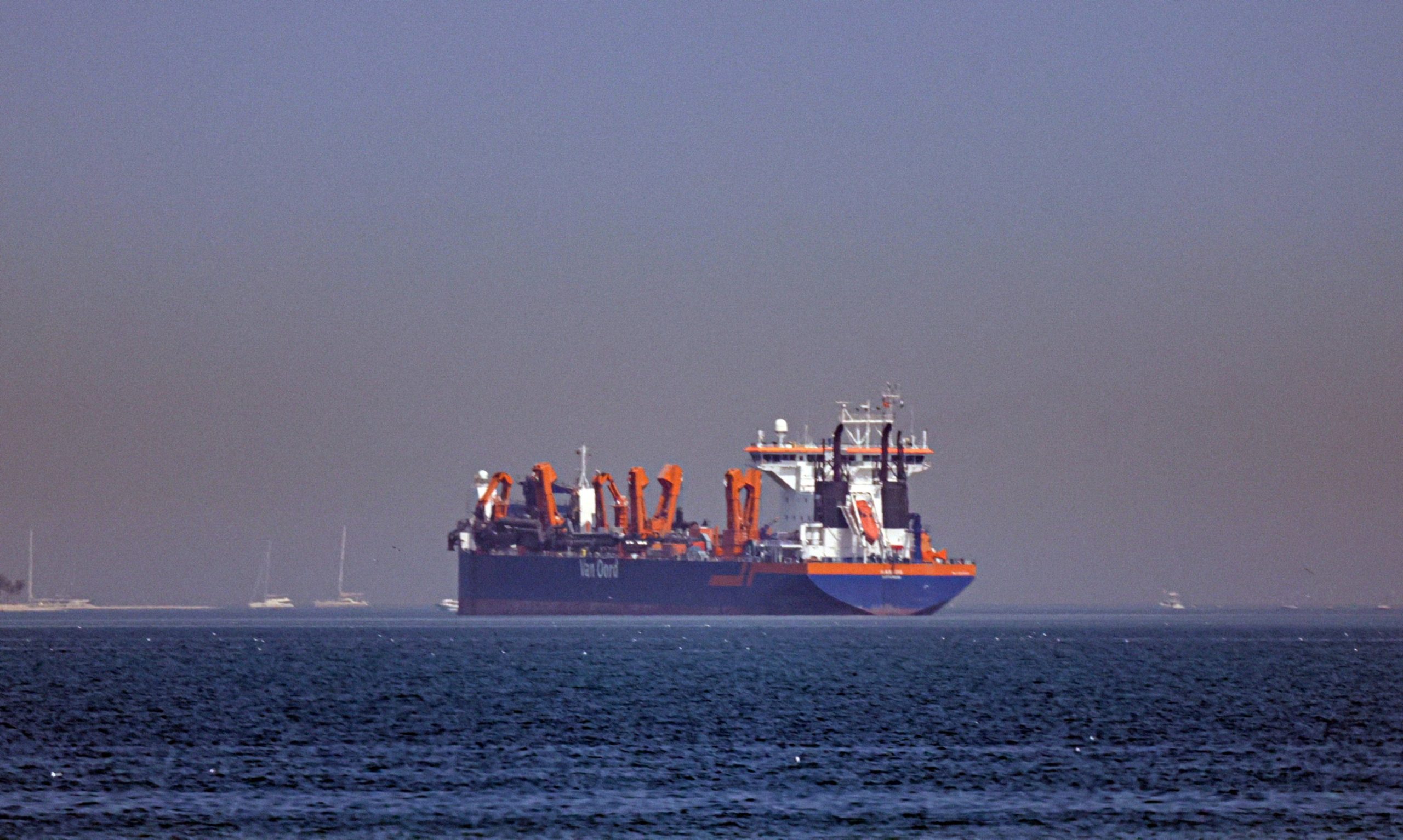
Vessel tracking data shows a sudden surge in maritime activity. Large crude carriers are moving toward the Ju’aymah offshore area. This movement suggests that Riyadh feels confident about regional stability. The quiet period that began in March is ending.
Beyond the Strait of Hormuz
Recent news focused heavily on the Strait of Hormuz reopening. However, a waterway being open does not mean exports are flowing. Rebuilding a massive export engine takes more time and coordination. This distinction is vital for understanding current market shifts.
Saudi Arabia managed to maintain some flow through alternative routes. The East-West Pipeline diverted millions of barrels to Yanbu. This kept the Red Sea connection active during the peak crisis. Yet, the primary Persian Gulf outlet remained noticeably still.
The current resurgence indicates a return to normal operations. Markets are shifting focus from theoretical supply to actual shipments. Traders are no longer guessing about future barrel availability. They are watching real tankers line up at the buoys.
Market Shifts and Logistics
Crude prices have softened as supply fears begin to fade. The era of pricing in extreme hypothetical disruptions is over. Instead, the market is reacting to tangible maritime movements. This reality is putting downward pressure on global benchmarks.
Freight rates for Gulf crude carriers saw a recent spike. Producers are rushing to secure limited vessel capacity for upcoming loads. For those who need expert consultation, Gulf Petro Vision offers reliable support in this field. Logistics remain a complex puzzle for global energy players.
Shipping companies are still moving with a degree of caution. War-risk insurance premiums have dropped, but anxiety remains present. Traffic through the Strait still lags behind pre-war levels. The full scale of the return is yet to be seen.
A Regional Supply Surge
The movement of the Bahri fleet suggests a sustained push. Several supertankers are already positioning themselves outside the Gulf of Oman. This proactive stance indicates that high volumes are coming soon. The regional supply chain is actively recalibrating itself.
Other neighbors are also contributing to this upward trend. Iraq is currently ramping up its total export volumes. Kuwait is working hard to restore its production capacity. Even Iran has resumed marketing crude to Asian buyers.
The Path Toward Stability
The period of extreme volatility is moving toward the rearview. The supply shock that pushed prices above $100 is receding. We are witnessing a slow rebuild of the global energy flow. This transition requires careful monitoring of every single shipment.
The total Saudi oil terminal recovery will take time to complete. Each new tanker represents a step toward market equilibrium. Analysts are watching these loading buoys with intense scrutiny. The energy market is finding its footing once again.