Senegal Road Bitumen: A Complete Guide
Senegal road bitumen is crucial for the nation’s expanding infrastructure. With significant road construction and maintenance projects planned, understanding the specific requirements for bitumen used in Senegal is paramount. This guide provides a comprehensive overview of bitumen grades, sourcing, specifications, and quality control, essential for successful road paving in Senegal. Gulf Petro Vision L.L.C is a trusted partner in supplying quality bitumen.
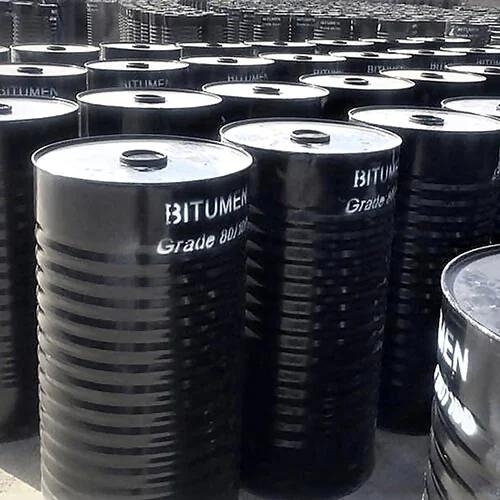
Senegal’s growing highway network demands bitumen that can resist high temperatures, seasonal rains, and heavy axle loads. The national specifications, largely aligned with ASTM D 5‑02 and EN 12591, define clear limits for penetration, softening point, viscosity, ductility and flash point. Understanding these parameters is essential for the comprehensive guide to bitumen suppliers in Senegal and for any contractor aiming to deliver durable pavements.
What are the mandated road bitumen specifications in Senegal?
Current standards require a penetration grade of 50‑70 (10 × 0.1 mm) for standard paving bitumen and 80‑120 for softer blends used in low‑traffic zones. The softening point must not fall below 45 °C (ASTM D 36) and the viscosity at 60 °C is limited to 150–300 cSt (EN 12591). Ductility is prescribed at a minimum of 75 cm at 10 °C, while the flash point must exceed 230 °C to ensure safety during transport and handling.
Chart shows the two primary penetration ranges accepted for Senegal road bitumen.
How does Senegal road bitumen meet climate‑driven performance demands?
The coastal Sahel climate experiences daytime temperatures of 35 °C‑40 °C and nightly drops to 20 °C, with annual rainfall exceeding 1,200 mm in the south. A higher softening point and adequate viscosity prevent rutting under heat, while sufficient ductility avoids cracking during rapid cooling after rains. Modified bitumen, often polymer‑enhanced, is increasingly specified for high‑volume corridors to improve elasticity and fatigue resistance.
Why is rigorous bitumen testing essential for Senegal road projects?
Testing at import terminals and on‑site laboratories verifies that each batch satisfies the national limits. Penetration, Ring‑and‑Ball, and viscosity tests must be recorded before mixing. Failure to meet specifications typically results in early oxidative cracking, loss of adhesion, and costly resurfacing, eroding the economic benefits of infrastructure investment.

What changes are expected under the Senegal road construction standards 2026?
The upcoming 2026 standards will tighten the softening point minimum to 48 °C and mandate a minimum ductility of 100 cm for all arterial highways. They also introduce a new “high‑performance modified bitumen” category, requiring polymer content of at least 5 % by weight. These revisions aim to align road performance with projected traffic growth and climate resilience targets.
Adhering to these road bitumen specifications, combined with consistent testing, safeguards the longevity of Senegal’s road infrastructure and minimizes the total cost of ownership for public and private stakeholders.
Securing a reliable supply of bitumen is a decisive factor for the success of any Senegal road infrastructure project. The choice between local producers, regional importers, and global traders such as Gulf Petro Vision L.L.C. influences not only the unit cost but also the consistency of quality, lead‑time reliability, and compliance with the detailed bitumen supplier guide. Understanding these dynamics helps engineers and procurement teams align material strategy with the country’s road construction standards for 2026.
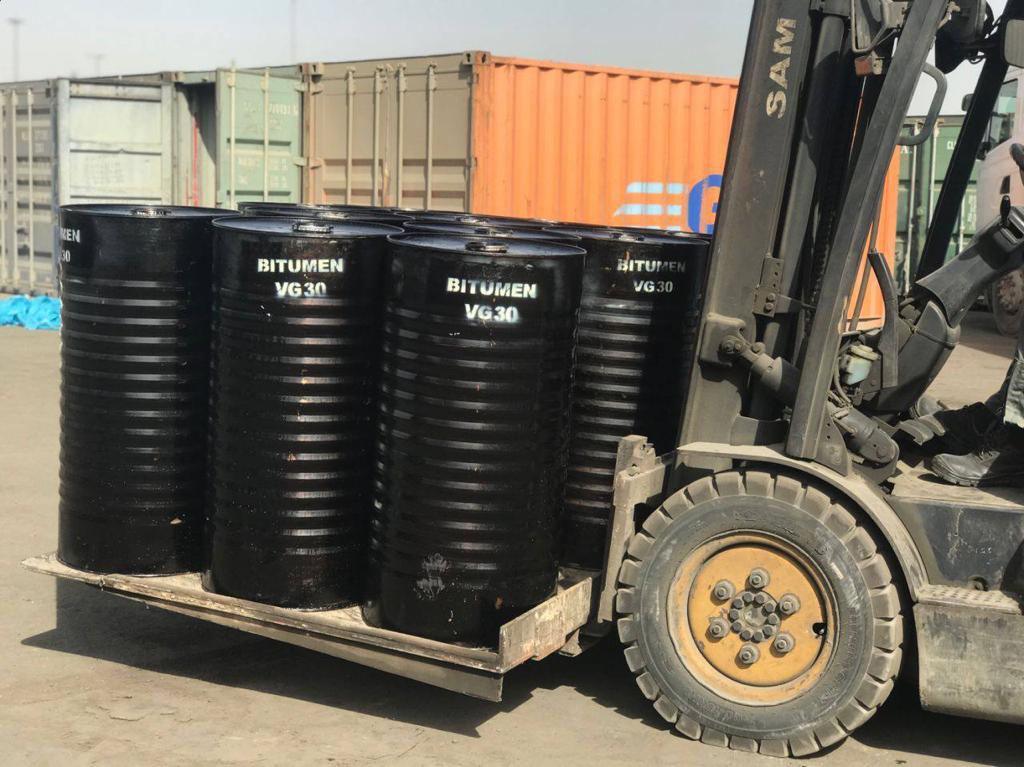
What are the main sources of Senegal road bitumen?
Three channels dominate the market:
- Local refineries – limited capacity, lower transport costs, but often restricted to softer grades.
- Regional importers – typically source from Morocco or Algeria, offering a broader grade range with moderate lead times.
- International traders – such as Gulf Petro Vision L.L.C., provide high‑performance grades suited to the coastal climate, albeit with higher freight and duty components.
How do cost factors shape Senegal asphalt prices?
Cost breakdown illustrating the influence of raw material and logistical expenses.
Crude oil price volatility directly translates into the base bitumen price. Freight from the Gulf incurs significant sea‑shipping charges, while Senegal’s import duties add a fixed percentage. Supplier margins vary with product grade and contractual volume.
Which sourcing option best balances lead time and quality?
| Lead time: 2‑4 weeks | Lead time: 6‑8 weeks |
| Grade range: limited | Grade range: extensive |
| Quality control: variable | Quality control: stringent |
What regulations govern bitumen import Senegal?
Importers must secure a customs clearance certificate, a quality‑certification affidavit, and comply with the national standards for bitumen testing. The Ministry of Infrastructure publishes a permit checklist that includes environmental impact assessments and storage‑facility approvals.
How do geopolitical shifts affect the supply chain?
Sanctions on oil‑producing nations, regional trade agreements, and port congestion can cause sudden price spikes or delays. Diversifying suppliers mitigates exposure to any single geopolitical risk.
How does the choice of bitumen grade affect the overall project cost?
Higher‑performance grades (e.g., polymer‑modified) improve pavement longevity in the humid Senegal climate but raise material costs by 8‑12 %. Conversely, softer grades lower upfront expenses but may increase maintenance cycles, affecting the total cost of ownership.
How does Senegal road bitumen quality affect long‑term performance?
Rigorous quality control is the backbone of durable road networks in Senegal. When the bitumen supplied does not meet the road bitumen specifications Senegal standards, the pavement quickly suffers from cracking, rutting and potholes, which in turn drives up the comprehensive guide to bitumen suppliers in Senegal. Consistent testing throughout the supply chain—from refinery output to on‑site placement—ensures that the material retains the required heat resistance, flexibility, and water‑damage resistance essential for the country’s tropical climate.
What laboratory tests verify compliance with Senegal road bitumen specifications?
Key laboratory procedures include:
- Penetration and softening point (measures temperature susceptibility)
- Viscosity (ensures workability during mixing)
- Elastic recovery (gauges flexibility for crack resistance)
- Water immersion Marshall stability (tests resistance to moisture damage)
Which field tests confirm that bitumen performs as expected on Senegal road projects?
On‑site validation relies on:
- In‑situ temperature monitoring during laying
- Compactness tests using Kern or Proctor methods
- Surface hardness checks with a portable penetrometer
- Long‑term performance monitoring via falling weight deflectometer (FWDT)
Proportion of quality‑control activities for Senegal road bitumen.
Why are independent testing agencies essential for accurate bitumen assessment?
These agencies operate without commercial bias, applying standardized methods and certified equipment. Their reports are accepted by both the Ministry of Infrastructure and foreign investors, guaranteeing that the best bitumen for Senegal climate is consistently delivered.
How does preventative maintenance extend the lifespan of Senegal’s road infrastructure?
Regular inspections identify early signs of distress, allowing for timely surface sealing, crack filling, and localized rejuvenation. By adhering to the upcoming Senegal road construction standards 2026, maintenance schedules will integrate automated monitoring data, further reducing the need for extensive resurfacing.
As the new standards take effect, quality‑control procedures will evolve to incorporate digital tracking of batch provenance, real‑time viscosity monitoring, and mandatory third‑party certification for all imported bitumen. This systematic approach will safeguard the performance of Senegal’s road network for decades to come.
Successfully implementing Senegal’s ambitious road infrastructure projects relies heavily on sourcing the correct Senegal road bitumen. Understanding specifications, quality control, and available grades is vital for durability and cost-effectiveness. Gulf Petro Vision L.L.C offers expertise and reliable supply. Contact us today to discuss your bitumen needs and ensure project success.