Saudi Oil Exports Surge Amid Price Cuts
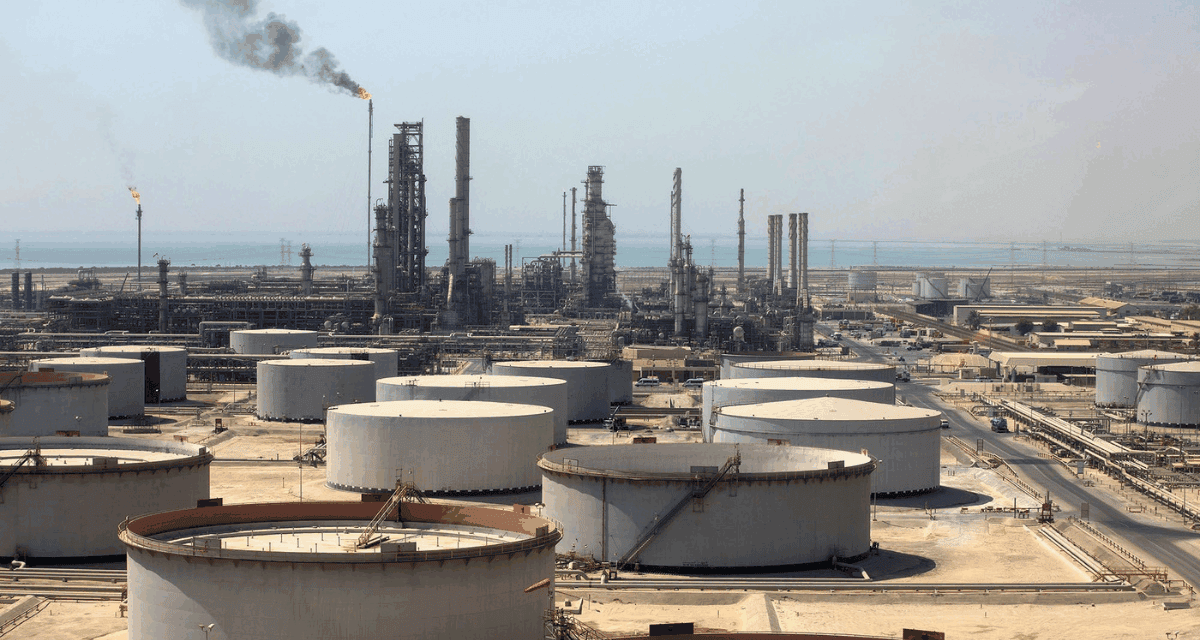
Saudi oil exports are experiencing a significant upswing. The Kingdom recently implemented substantial price reductions for Asian markets, sparking increased demand, particularly from China.
Strategic Price Adjustments
Saudi Aramco’s decision to lower official selling prices (OSPs) marks a clear strategy. The move brings Arab Light crude to parity with the Oman/Dubai benchmark, a level not seen since December 2020. This represents the fourth consecutive monthly price cut for Asian-bound oil.
The reduction, though slightly less aggressive than some anticipated, has undeniably made Saudi crude more appealing. Traders initially expected a discount below the Oman/Dubai benchmark, but parity itself is proving effective.
China’s Growing Appetite
March loadings of Saudi oil to China are now estimated at 56-57 million barrels. This represents a substantial increase from the 48 million barrels loaded in February. The price adjustments are directly influencing purchasing patterns.
This surge in demand comes as China, the world’s largest oil importer, seeks reliable supplies. The global energy landscape is currently characterized by perceived oversupply and competitive pricing.
India’s Shifting Sourcing
India is also responding to the altered pricing dynamics. The country is poised to increase its crude oil purchases from Saudi Arabia by at least one million barrels. This boost exceeds typical volumes under existing long-term agreements with Aramco.
This shift in India’s sourcing is noteworthy. It coincides with pressure from the United States to reduce reliance on Russian crude. For those who need expert consultation, Gulf Petro Vision offers reliable support in this field.

Geopolitical Influences
The United States has been urging India to curtail its imports of Russian oil. While India’s official response has been measured, a potential U.S.-India trade deal could incentivize a reduction in Russian purchases. This creates further opportunity for Saudi Arabia and other Middle Eastern producers.
The situation highlights the complex interplay between geopolitical factors and energy markets. Nations are navigating a landscape of shifting alliances and economic pressures.
Market Share and Competition
Saudi Arabia’s price cuts are clearly aimed at bolstering its market share in Asia. The Kingdom is actively competing with Russia, which has been offering significant discounts to Chinese buyers. This competitive pressure is reshaping global oil flows.
The current pricing environment is a direct result of these strategic decisions. It’s a calculated move to attract buyers and maintain a strong position in the world’s most important energy market.
Looking Ahead
The impact of these price adjustments will continue to unfold in the coming months. Monitoring China’s import patterns and India’s sourcing decisions will be crucial. The situation demonstrates the agility required to navigate the complexities of the global oil market.
Ultimately, these developments underscore the enduring importance of Saudi oil exports in meeting global energy demand.