Russian fuel supply crisis deepens as rationing spreads
Russian fuel supply crisis is now impossible to ignore. Drivers face rationing at stations near Moscow. Regional governors insist there is no shortage. Yet the evidence tells a different story.
Ukraine’s Drone Strategy Targets Fuel Infrastructure
Ukraine has intensified attacks on Russian refineries this month. Key supply routes in occupied Crimea face constant threats. These strikes disrupt fuel distribution networks across many regions. Panic buying has already started in some northern areas.
Gas stations near Moscow now limit how much fuel drivers can buy. The restrictions aim to prevent hoarding and empty pumps. But the move signals deeper trouble in the supply chain. Officials downplay the severity of these measures.
Governors Struggle to Reassure a Skeptical Public
Alexander Drozdenko of the Leningrad region claims supplies are normal. He says isolated complaints do not reflect reality. Similar statements come from governors across the country. Yet residents report long lines and closed stations.
The disconnect between official words and lived experience grows. People remember past crises when denials preceded shortages. Trust in government statements has eroded significantly. Social media fills with photos of empty fuel tanks.
Regional leaders face pressure from Moscow to maintain calm. Any admission of crisis could spark wider panic. So they repeat the same reassuring phrases. The strategy may backfire as evidence mounts.
Russia Admits Refinery Troubles for the First Time
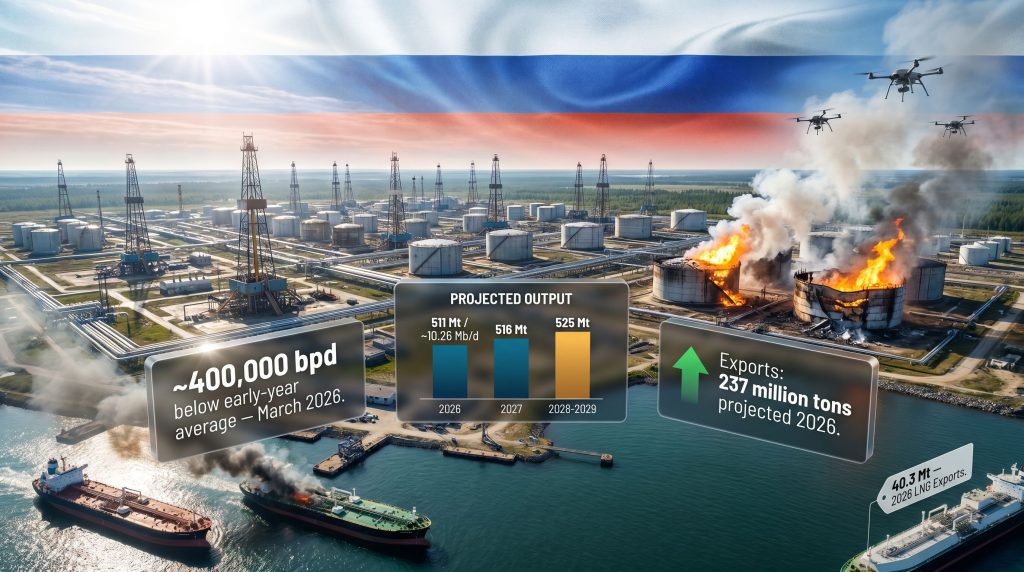
Moscow finally acknowledged that crude oil production is falling. Deputy Prime Minister Alexander Novak cited unscheduled repairs. Novak said some refineries are under unexpected maintenance. This is the first public admission of output struggles.
He stated export infrastructure is being used to maximum capacity. But that cannot compensate for lost refining capability. The domestic market now competes with export commitments. Russia must prioritize local fuel needs over foreign sales.
For readers seeking deeper insights, Gulf Petro Vision offers industry guidance. Their analysts track refinery disruptions and supply trends. This helps businesses navigate volatile energy markets. The situation remains fluid and complex.
Export Cuts Signal a Shift in Priorities
Russia plans to sharply reduce crude exports in June. Western port shipments could drop by 800,000 barrels per day. That is a massive cut from May levels. The move aims to keep more oil at home.
Ukraine’s bombing campaign forces Moscow to rethink logistics. Refinery outages reduce the need for exported crude. Instead, raw oil stays in Russia for processing. But damaged refineries limit even that option.
The export reduction also impacts global oil markets. Analysts expected supply tightness from OPEC+ cuts. Now Russian output adds another uncertainty. Prices could see further volatility as events unfold.
Russian fuel supply crisis tests Kremlin’s Credibility
The growing shortages reveal cracks in Russia’s energy sector. Governors cannot hide the reality of rationing stations. Ukraine’s drone campaign has proven effective and persistent. Moscow faces hard choices about resource allocation.
Public confidence hinges on transparent communication. Yet officials continue to deny obvious problems. This pattern risks deepening distrust among citizens. The fuel crisis may become a political liability.
For now, the Russian fuel supply crisis shows no sign of easing. Ukraine shows no intent to stop its attacks. The world watches as a major oil producer struggles. The next few weeks will be critical.