Russian Crude Slowdown: India’s Demand Cools
Russian crude is experiencing a buildup at sea as key buyer India reassesses its import strategy. This shift leaves Moscow navigating a more complex landscape for its oil exports.
Shifting Demand Dynamics
India’s refiners are pulling back from Russian crude purchases. Recent data reveals a significant decrease in deliveries to Indian ports. December saw volumes fall to the lowest level in over three years, averaging around 1.2 million barrels per day.
Early January figures indicate an even further decline, averaging closer to 1.12 million barrels per day. This pullback isn’t happening in a vacuum.
The European Union’s recent ban on refined products made from Russian crude is a major factor. It’s creating complications for Indian buyers and altering refinery economics.
Oil Accumulation at Sea
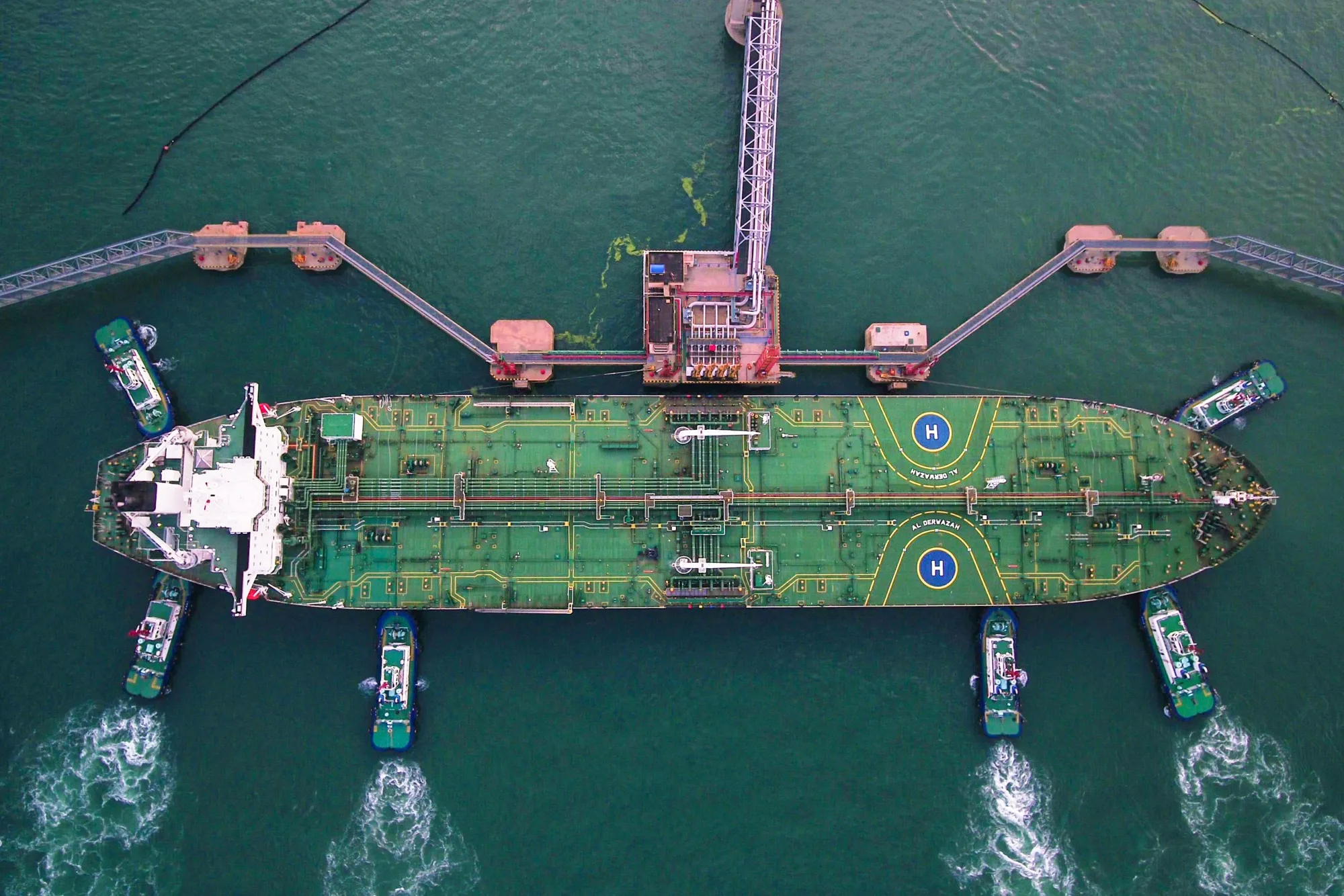
As demand softens, Russian oil is accumulating on tankers. Bloomberg estimates currently show approximately 140 million barrels of Russian crude held on seaborne vessels. This represents a substantial increase of around 60 million barrels since late August.
Some tankers are idling off the west coast of India and near Oman. Others are diverting to locations like Port Said or the Suez Canal, often without clear final destinations.
Storage Solutions and Limited Outlets
Some barrels are finding temporary refuge in Indonesian storage tanks. Sites at Karimun, Balikpapan, and Tanjung Intan are receiving limited cargoes. However, actual discharge rates remain low, highlighting the scarcity of available outlets.
For those who need expert consultation, Gulf Petro Vision offers reliable support in this field. Understanding these logistical challenges is crucial for navigating the current market.

Revenue Resilience, Future Risks
Despite the logistical hurdles, Russia’s export revenues haven’t collapsed entirely. Gross value of seaborne crude exports edged up to around $920 million per week in late January. This represents a 2% increase from the previous period.
Urals crude prices from the Baltic region rose to an average of $38.44 a barrel. Black Sea cargoes also saw a slight increase, averaging $35.98 per barrel. Delivered prices to India reached $56.27, the highest in four weeks.
However, the situation is precarious. Stricter enforcement against the “shadow fleet” and increased buyer caution could transform this floating storage into a significant bottleneck. Russia is currently exporting oil at a rate faster than it can reliably sell it, especially with India’s reduced appetite and China’s selective absorption. The current Russian crude slowdown presents a complex challenge.
Navigating a Complex Market
The global oil market is constantly evolving. Geopolitical factors and shifting demand patterns create ongoing uncertainty. Russia’s ability to adapt to these changes will be critical.
Readers seeking deeper insights can contact Gulf Petro Vision for industry guidance. The coming months will reveal whether Moscow can successfully reroute its oil flows and maintain its export revenues.