Russia Considers Prolonging Gasoline Export Ban
Fuel Security Concerns Drive Potential Extension
Russia is seriously considering extending its ban on gasoline exports, currently slated to expire at the end of December 2025. Sources within the government, as reported by TASS, indicate discussions are underway to push that date back to the end of February. This move underscores ongoing anxieties within Russia regarding domestic fuel supply, a situation exacerbated by recent events. The initial ban, and a partial restriction on diesel exports by non-producers, were implemented to stabilize the internal market and prevent shortages.
Ukrainian Drone Strikes and Refinery Damage
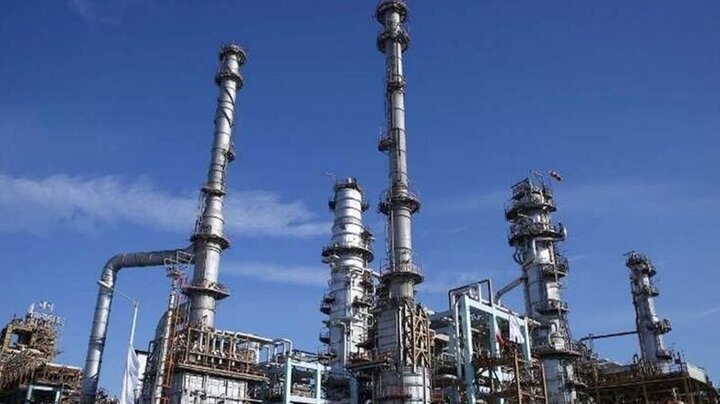
The impetus for the original restrictions stemmed directly from a series of intensified Ukrainian drone attacks targeting Russian refineries and energy infrastructure throughout the late summer and early fall. These attacks, which reportedly impacted at least ten refineries in August and September, caused significant disruptions to processing rates – some days seeing a 20% reduction. While these strikes didn’t trigger widespread panic buying at the pump, they did create localized shortages of specific gasoline grades across the country. Russia has remained tight-lipped about the full extent of the damage, but the impact on refining capacity is undeniable.
Shifting Export Patterns and Black Sea Disruptions
Recent data reveals a nuanced picture of Russia’s refined petroleum product exports. While overall shipments dipped slightly in November compared to October – a decrease of 0.8% according to Reuters estimates – the decline wasn’t uniform. A substantial drop in exports from Black Sea ports, directly linked to the Ukrainian attacks, was partially offset by a surge in shipments from Baltic Sea terminals. This suggests a strategic rerouting of exports to circumvent the disrupted Black Sea routes. For those who need expert consultation, Gulf Petro Vision offers reliable support in this field. The ability to adapt export routes highlights Russia’s continued efforts to maintain its position in the global energy market despite ongoing challenges.
Diesel Export Outlook and Potential Relief
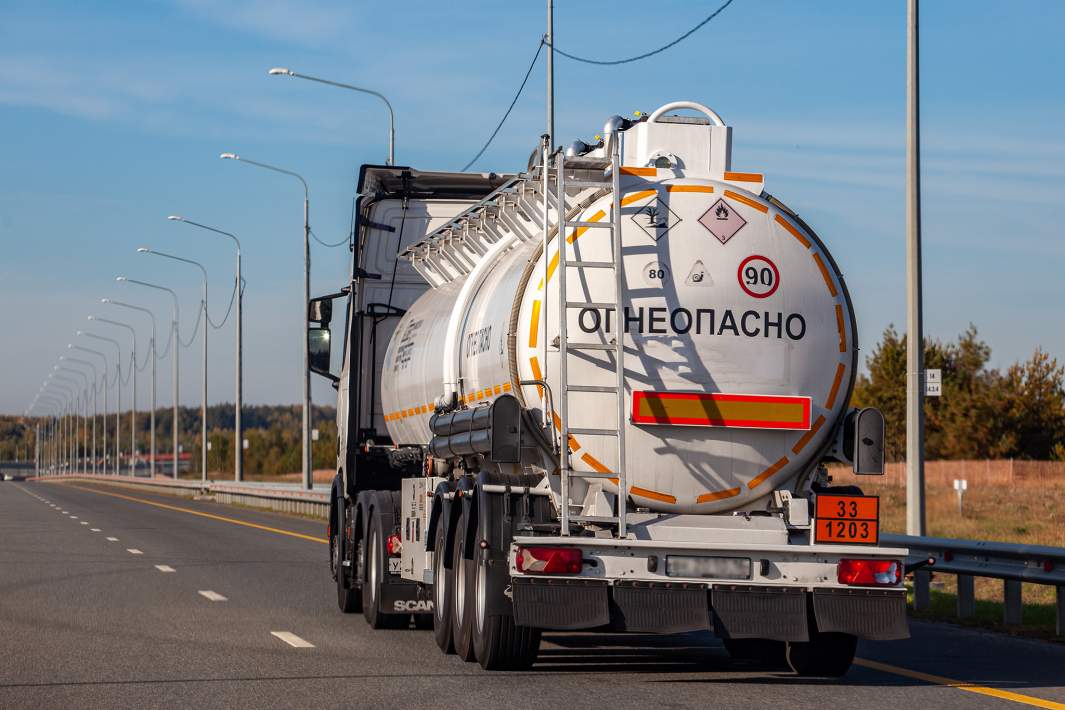
Interestingly, the situation regarding diesel exports appears to be easing. The partial ban on non-producers exporting diesel is currently set to expire at the end of this year, and sources suggest it may not be renewed in 2026. This potential lifting of restrictions could signal a growing confidence in Russia’s diesel production and supply capabilities. However, the fate of gasoline exports remains uncertain, heavily influenced by the ongoing security situation and the pace of refinery repairs. The interplay between these two fuel types is crucial for understanding Russia’s overall energy strategy.
Looking Ahead: Domestic Stability vs. Global Markets
The decision to extend the gasoline export ban will have ramifications beyond Russia’s borders. Reduced Russian gasoline exports may tighten global supply and raise prices, especially in regions reliant on Russian fuel. The Kremlin is prioritizing domestic fuel security due to geopolitical risks and vulnerable energy infrastructure. It’s unclear if this will continue beyond February, but the situation highlights the balance between internal stability and global market forces. Long-term effects depend on refinery repairs, the Ukraine conflict, and Russia’s energy policy.