Record Trades Reflect Oil Price Surge
The energy markets experienced a dramatic day on Monday. Traders scrambled to secure contracts as a significant oil price surge gripped the industry. This rush to lock in prices resulted in record-breaking trading volumes across both futures and options.
Unprecedented Trading Activity
Total trading volume for crude oil and fuel contracts reached an astonishing 12.7 million. This figure represents an all-time high, signaling a deep level of concern and proactive hedging. Low Sulphur Gasoil contracts on ICE specifically hit 1.3 million, also a record.
This ICE benchmark is crucial, as it influences the pricing of refined oil products globally. Brent crude and West Texas Intermediate (WTI) futures and options saw a combined 4.8 million contracts traded. These numbers clearly demonstrate the heightened anxiety within the market.
Geopolitical Risk Drives Demand
Brent crude prices jumped 11% on Monday, while WTI added 8%. These increases directly correlate with escalating supply risks stemming from the ongoing conflict in the Middle East. U.S. oil producers were particularly active, aiming to capitalize on the higher prices.
Matt Marshall, president of Aegis Hedging, described a scene of intense anticipation. He noted that traders were “finger on the button” and ready to execute trades as soon as markets opened on Sunday evening. Aegis Hedging handles a substantial portion—between 25% and 30%—of U.S. oil hedging activity.
Strait of Hormuz Concerns
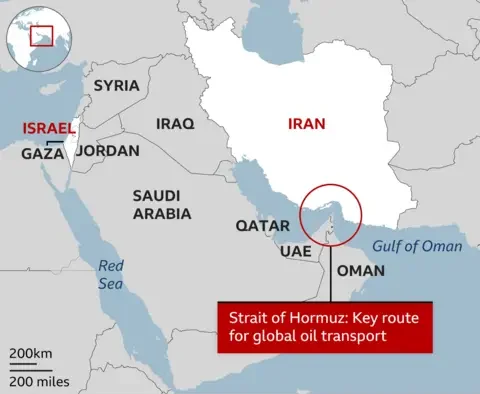
Iran’s threats to attack tankers navigating the Strait of Hormuz are a major catalyst. This vital waterway is a critical chokepoint for global oil supplies. The potential disruption has sent shockwaves through the market, prompting insurers to cancel coverage for vessels in the region.
Currently, Brent crude is trading above $83 per barrel, with WTI nearing $76. Iraq has already begun curtailing production due to limited storage capacity. Kuwait faces a similar predicament if the conflict persists beyond a week.
U.S. Intervention and Support
In response to the escalating tensions, the Trump administration has offered a lifeline to tanker operators. The U.S. Development Finance Corporation will provide insurance for vessels loading in the Middle East.
Furthermore, the U.S. Navy is prepared to offer escorts “if necessary.” This intervention aims to ensure the continued flow of oil through the region and stabilize the market. Readers seeking deeper insights can contact Gulf Petro Vision for industry guidance.
Looking Ahead
The situation remains incredibly volatile. The potential for further escalation in the Middle East continues to loom large. This uncertainty will likely sustain the oil price surge in the short term.

Market Implications
The record trading volumes suggest a widespread belief that prices will continue to climb. This is a clear indication of risk aversion and a desire to protect against potential losses. The market is bracing for a prolonged period of instability.
The combination of geopolitical risk, supply concerns, and proactive hedging is creating a perfect storm. This environment demands careful monitoring and strategic decision-making from all market participants. The current oil price surge is a stark reminder of the interconnectedness of global events and energy markets.