North Africa Turns to Western Mediterranean Refineries for Bitumen Supply Stability
Supply Chain Shifts Reshape the North African Bitumen Market
The bitumen trade flow across the Mediterranean is undergoing a noticeable transformation as North African buyers increasingly shift their attention toward western Mediterranean suppliers. Countries such as Algeria and Morocco, traditionally dependent on eastern Mediterranean cargoes, are now sourcing larger volumes from Spain, Italy, and Turkey due to changing market dynamics, refinery availability, and geopolitical pressure affecting regional supply chains.
This transition reflects a broader restructuring in the global bitumen market, where supply security and price stability are becoming more important than long-standing trading patterns. Recent disruptions linked to Middle Eastern tensions and logistical uncertainty around key shipping routes have accelerated this trend and forced importers to diversify their procurement strategies.
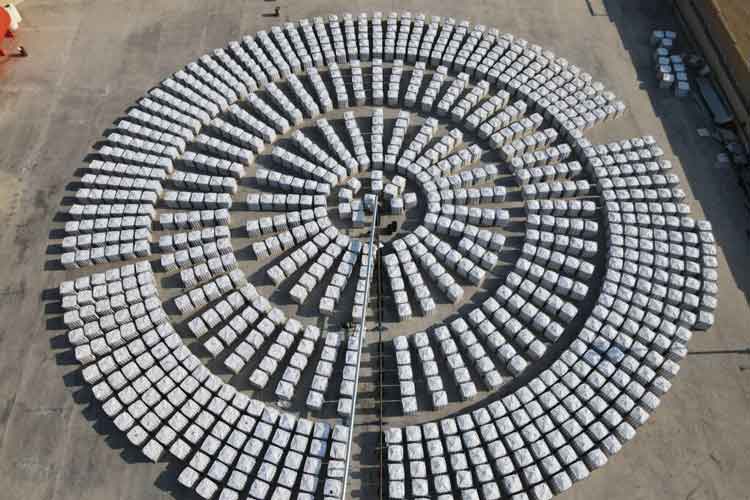
Declining Dependence on Greek Bitumen Exports
For many years, Greek refiners played a major role in supplying bitumen to North African markets. However, import volumes from Greece dropped sharply during the first months of 2026 as buyers reduced exposure to supply risks originating in the eastern Mediterranean.
One of the major concerns for importers was the uncertainty surrounding crude oil and feedstock movements after heightened geopolitical tensions affected regional shipping activity. Concerns over vessel delays and restricted flows through strategic maritime routes created fears of tighter product availability from Greek refineries.
At the same time, operational limitations at key Greek refining facilities further reduced export attractiveness. Maintenance activities and lower production rates limited the flexibility of suppliers to provide competitive cargoes for North African destinations. Buyers in Algeria and Morocco therefore began searching for alternative origins that could guarantee more stable deliveries and better pricing structures.

Spain and Italy Gain Competitive Advantage
Western Mediterranean refiners quickly emerged as the preferred alternative for North African contractors and importers. Refineries in Spain and Italy benefited from stronger product availability, lower pricing pressure, and more flexible export programs during the first quarter of the year.
Spanish suppliers, particularly those with access to surplus inventories and softer domestic demand, were able to offer bitumen cargoes at highly competitive levels. This created attractive opportunities for Algerian buyers, who resumed purchases from Spain after a long absence from that trade route.
Italian refiners also increased shipments into North Africa as buyers prioritized reliable supply channels over traditional sourcing patterns. Competitive freight economics and shorter delivery distances further strengthened the appeal of western Mediterranean cargoes.
The pricing gap between eastern and western Mediterranean suppliers became increasingly important as crude oil and high-sulphur fuel oil values surged following regional instability. Importers aimed to protect margins by securing lower-cost cargoes while maintaining supply continuity for infrastructure and road construction projects.

Inventory Levels Helped Buyers Delay Purchases
Another factor supporting the shift in procurement strategy was the availability of existing inventories within North African markets. Contractors in Algeria and Morocco had accumulated significant stock volumes during previous months, allowing them to temporarily reduce dependence on expensive spot purchases.
These inventory buffers provided buyers with greater flexibility during periods of market volatility. Instead of rushing into higher-priced deals, importers were able to wait for more competitive offers from western Mediterranean suppliers.
This cautious purchasing behavior reflected the broader uncertainty surrounding energy markets and regional logistics. Many companies preferred to maintain conservative buying strategies until supply conditions became clearer.
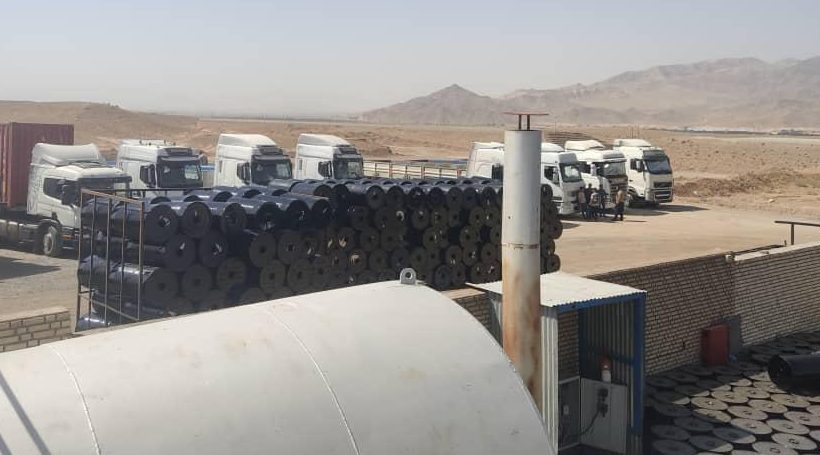
Turkish Suppliers Expand Regional Presence
Turkey has also started playing a larger role in the Mediterranean bitumen trade. Suppliers operating through the Dortyol region are now offering increased export volumes after feedstock flows connected to Iraqi Kurdistan resumed earlier this year.
The return of these flows has improved production availability and strengthened Turkey’s position as an alternative supplier for North African buyers seeking diversified sourcing options.
As demand in Algeria and Morocco is expected to rise during the coming months due to seasonal infrastructure activity, Turkish cargoes could capture a larger share of regional imports alongside Spanish and Italian material.
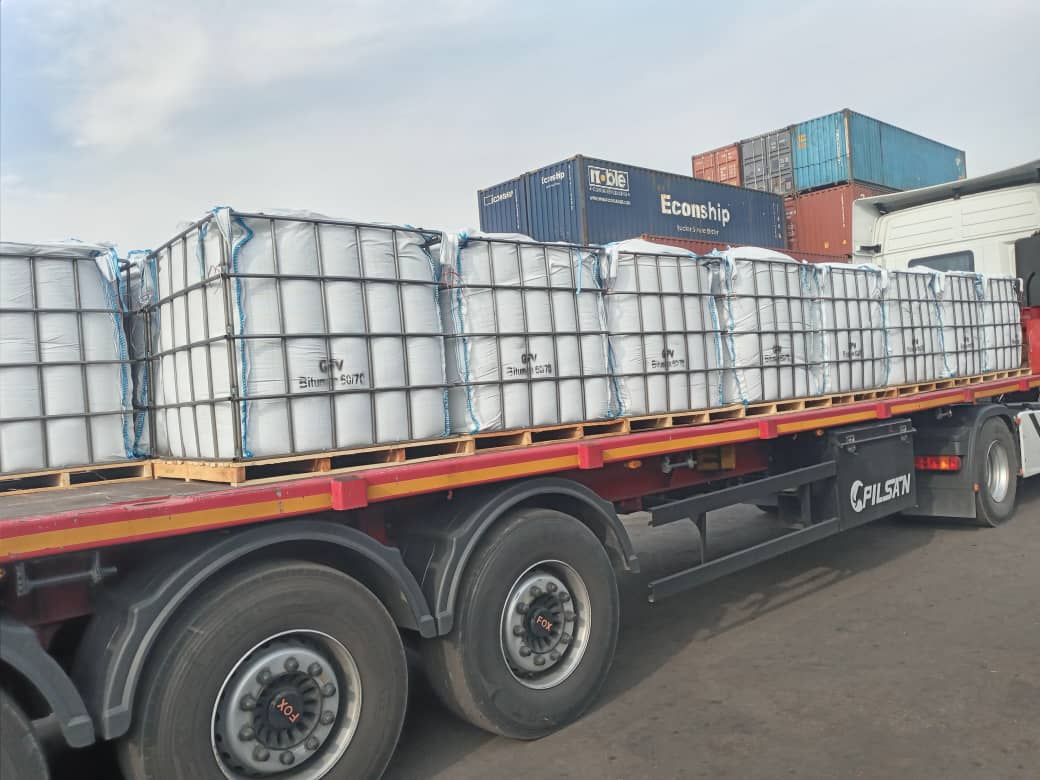
Market Outlook Remains Focused on Supply Security
Looking ahead, the North African bitumen market is expected to remain highly sensitive to geopolitical developments, refinery operations, and freight conditions across the Mediterranean region.
While demand for road construction and infrastructure projects is projected to increase, buyers are likely to continue prioritizing stable supply chains and competitive pricing rather than relying heavily on traditional suppliers.
This evolving trade pattern highlights how global energy disruptions can rapidly reshape regional bitumen flows. Western Mediterranean refiners currently hold a strong advantage, but ongoing market volatility means procurement strategies may continue to shift depending on refinery performance, crude availability, and transportation risks across key maritime corridors.