Jumbo Bitumen Bags: Efficient & Safe Packaging
Jumbo Bitumen Bags are revolutionizing how bitumen is handled and transported for large-scale projects. Gulf Petro Vision L.L.C understands the challenges of maintaining bitumen quality and minimizing costs. These high-capacity FIBCs offer a cost-effective and safe solution for road construction, bridge building, and other infrastructure developments, streamlining your supply chain.
For decades, bitumen – a crucial component in efficient & safe packaging, exploring large volume bitumen packaging, transport solutions & regulations for road & bridge construction – A 2025 Outlook – was primarily transported and stored in steel drums and Intermediate Bulk Containers (IBCs). While these methods served their purpose, the demands of modern infrastructure projects, particularly large-scale road and bridge construction, have driven a shift towards more efficient and cost-effective solutions. This has led to the increasing adoption of Flexible Intermediate Bulk Containers, commonly known as FIBCs, and specifically, Jumbo Bitumen Bags.

How Did Bitumen Packaging Evolve to Embrace Jumbo Bitumen Bags?
Historically, drums offered a standardized, albeit cumbersome, method for handling bitumen. IBCs represented an improvement, offering larger volumes and easier handling with forklift access. However, both options present drawbacks: drums create significant steel waste and require substantial return logistics, while IBCs, though reusable, are expensive to purchase and maintain. The evolution towards large volume bitumen packaging was spurred by the need to reduce these costs and improve supply chain efficiency. Jumbo Bitumen Bags, or bitumen bulk bags, emerged as a compelling alternative.
What are the Benefits of Using FIBCs for Bitumen?
FIBCs, particularly those designed for bitumen, offer a range of advantages. Cost savings are significant, stemming from reduced packaging waste and lower transport costs due to increased storage density – more bitumen per shipment. Handling efficiency is also improved; bitumen big bags for road construction are easily moved with forklifts or cranes. Furthermore, FIBCs minimize product loss and contamination, contributing to overall project cost control. The use of high capacity bitumen bags also reduces the labor required for packaging and unpacking.
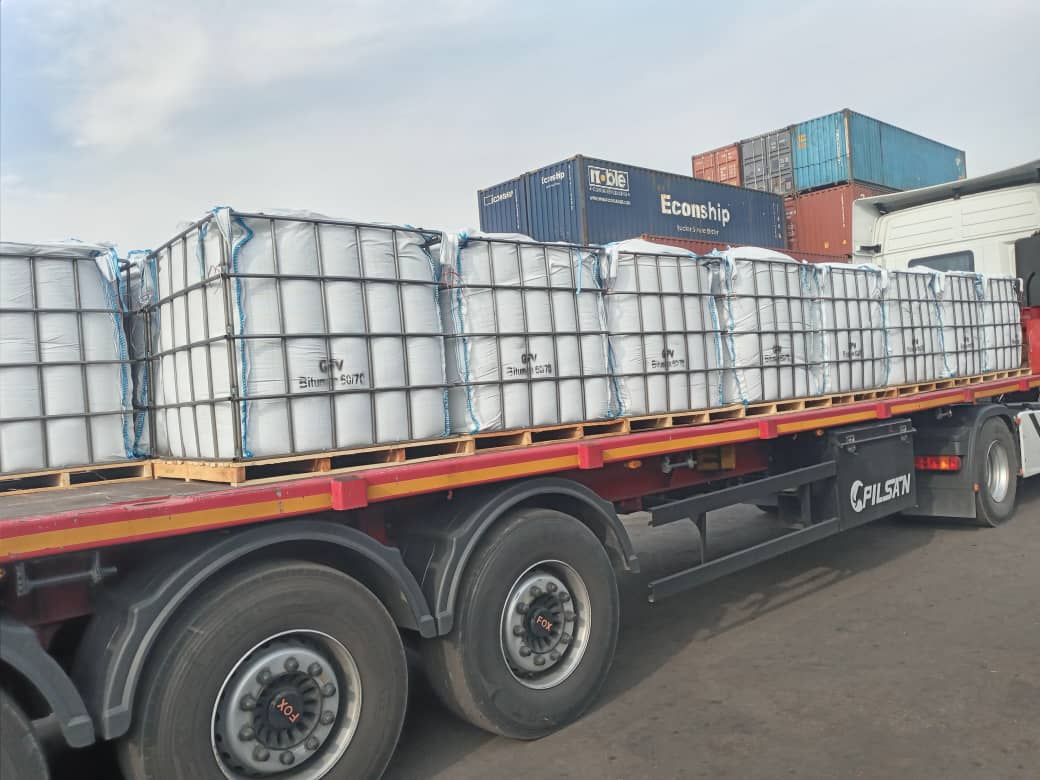
What Types of FIBCs are Available for Different Bitumen Grades?
Not all FIBCs are created equal. Standard FIBCs are suitable for some bitumen grades, but for hot melt bitumen bags and especially polymer modified bitumen bags, specialized options are crucial. Coated FIBCs provide an additional moisture barrier, preventing contamination and maintaining bitumen quality. Conductive FIBCs are essential for handling bitumen with low electrical conductivity, mitigating the risk of static discharge during filling and emptying. Bitumen storage bags 2025 trends indicate a growing demand for FIBCs with enhanced UV resistance and improved tear strength.
| Higher packaging & transport costs | Lower packaging & transport costs |
| Significant waste generation (drums) | Reduced waste, recyclable material |
| Lower storage density | Higher storage density |
As we look ahead to 2025, material innovations in FIBC construction – including the use of recycled polymers and bio-based materials – will further enhance the sustainability and cost-effectiveness of Jumbo Bitumen Bags. Compliance with bitumen packaging regulations and ensuring safe bitumen handling bags remain paramount, driving the need for robust and reliable packaging solutions.
As project managers navigate the complexities of road and bridge construction, efficient and safe handling of materials like bitumen is paramount. Understanding the nuances of Jumbo Bitumen Bags and their associated regulations is crucial for project success. This chapter delves into the specifications, regulations, and best practices surrounding these large volume bitumen packaging solutions.
What Bitumen Bag Specifications Must Project Managers Know?
Bitumen bulk bags, often referred to as jumbo bitumen FIBCs (Flexible Intermediate Bulk Containers), aren’t one-size-fits-all. Safe and effective use hinges on understanding key specifications. Safe Working Load (SWL) is the most critical factor, dictating the maximum weight the bag can safely bear – typically ranging from 1 to 2.5 metric tons. Construction involves woven polypropylene fabric, with fabric weight (gsm – grams per square meter) directly impacting strength. Seams, usually double-stitched, must be robust to prevent rupture. For hot melt bitumen bags, an inner polyethylene (PE) liner is essential, and coating options – such as a UV inhibitor – extend the bag’s lifespan. Filling and discharge mechanisms vary; some bags feature spouts for controlled emptying, while others require cutting. Polymer modified bitumen bags may require specialized liners to prevent adhesion.

What International Regulations Govern Bitumen Transport Solutions?
Bitumen is classified as a hazardous material, triggering stringent transport regulations. UN certifications (e.g., UN 3131) verify the bag’s suitability for transporting hazardous goods. Compliance with the IMDG (International Maritime Dangerous Goods) Code is vital for sea transport, dictating packaging, labeling, and documentation requirements. Proper labeling – including UN numbers, hazard pictograms, and shipping names – is non-negotiable. Accurate documentation, such as Safety Data Sheets (SDS), must accompany every shipment. These regulations directly impact cost effective bitumen packaging choices; investing in certified bags avoids costly delays and penalties.
How Can Project Managers Ensure Safe Bitumen Handling Bags Procedures?
Safe bitumen handling bags procedures are vital. Lifting should always be performed with appropriate equipment – forklifts with extensions or crane systems – and trained personnel. Stacking guidelines, typically limiting height to two or three bags, prevent instability. Emergency response protocols must be in place to address spills or leaks, including containment and cleanup procedures.
PROS
- Reduced material waste
- Improved site safety
- Lower labor costs
CONS
- Initial investment in handling equipment
- Need for trained personnel
- Strict adherence to regulations
Are There Bitumen Packaging Regulations Specific to the Middle East?
The Middle East region often adopts international standards but may have additional local requirements. Saudi Arabia, for example, has specific regulations regarding the import and handling of hazardous materials, often requiring Arabic labeling in addition to English. Understanding these nuances is crucial for seamless operations. Staying informed about evolving regulations is key to successful road construction bitumen packaging and bridge construction bitumen bags projects.
Chart illustrating the relative importance of key bitumen transport regulations.
As infrastructure projects grow in scale and complexity, efficient and safe material handling becomes paramount. This is particularly true for road and bridge construction, where bitumen is a critical component. Exploring Large Volume Bitumen Packaging, Transport Solutions & Regulations for Road & Bridge Construction – A 2025 Outlook details the evolving landscape of bitumen logistics, and within that, Jumbo Bitumen Bags are emerging as a preferred solution for many project managers.
Why Are Jumbo Bitumen Bags Ideal for Road & Bridge Construction Projects?
Large-scale road construction and bridge construction projects demand streamlined logistics. Traditional bitumen packaging methods, such as drums or smaller containers, often lead to increased on-site handling, higher labor costs, and potential for material waste. Jumbo Bitumen Bags, also known as bitumen bulk bags or bitumen super sacks, offer a significant improvement by providing high capacity containment – typically holding 1000kg or more – reducing the number of units to manage. This directly translates to fewer movements, less manual labor, and minimized risk of spills or damage during transport and storage.
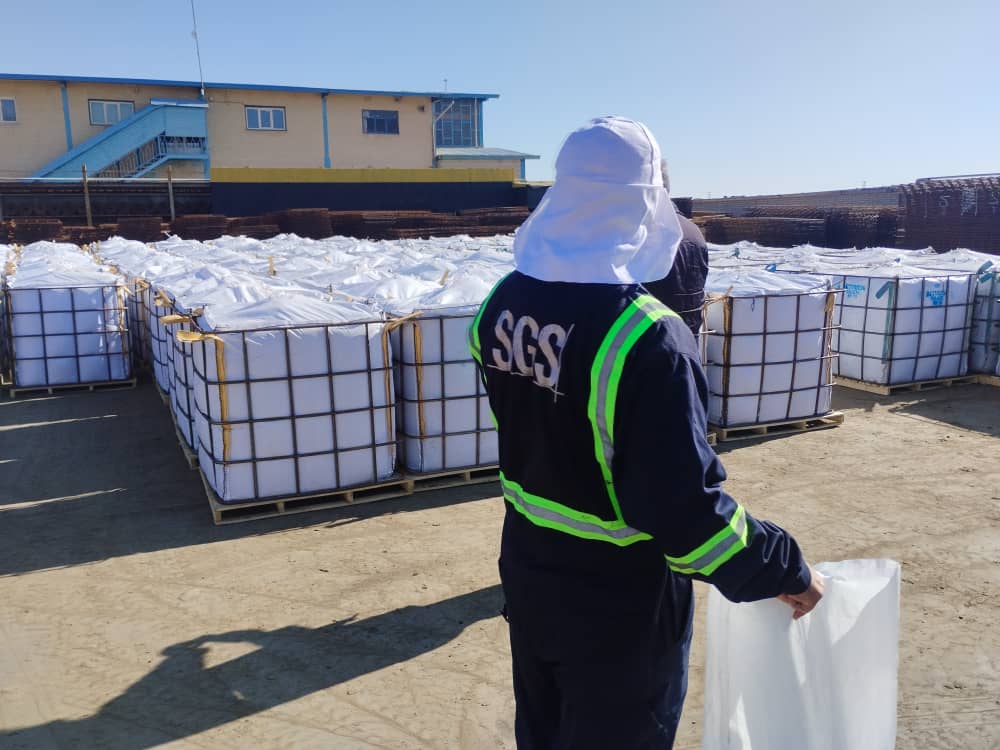
How Do These Bags Streamline Logistics?
For road construction bitumen packaging, the efficiency gains are substantial. Fewer bags mean quicker loading and unloading times, and reduced space requirements on-site. Similarly, bridge construction bitumen bags benefit from the same advantages, especially in challenging locations. The use of jumbo bitumen FIBCs (Flexible Intermediate Bulk Containers) is particularly advantageous for remote construction sites with limited access, as they optimize transport efficiency and reduce the number of trips required.
What About Cost Savings?
Cost Benefits
- Reduced Labor
- Minimized Waste
- Optimized Transport
The cost-effectiveness of using Jumbo Bitumen Bags extends beyond reduced handling. Minimized material waste, thanks to secure containment and reduced damage, contributes to overall savings. Optimized transport efficiency, achieved through fewer shipments, further lowers project expenses. The use of these bags also supports adherence to bitumen packaging regulations, minimizing potential fines and delays.
Are All Jumbo Bitumen Bags the Same?
The suitability of different bag types depends on the specific bitumen application. For hot mix asphalt, bags designed for high temperatures and with robust construction are essential – often utilizing specialized coatings. For cold mix applications, standard jumbo bitumen bags may suffice. Polymer modified bitumen bags require specific materials to ensure compatibility and prevent degradation. Selecting the correct bitumen bag specifications is crucial for maintaining product quality and ensuring safe handling.
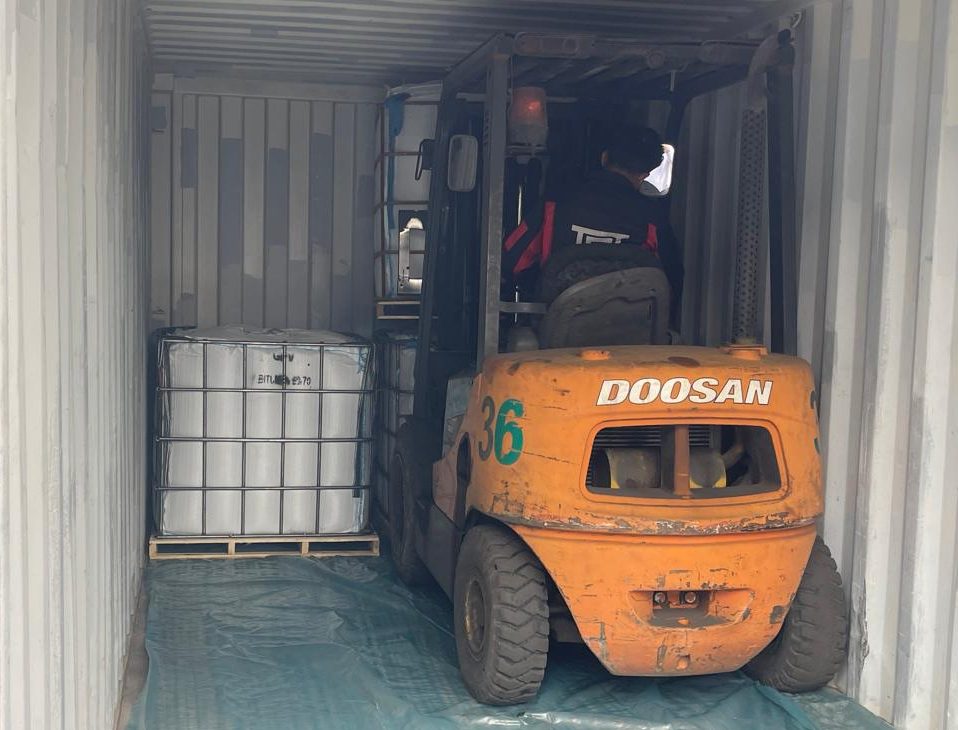
Case Study: Highway 17 Expansion Project
During the recent Highway 17 expansion project in California, the construction team implemented jumbo bitumen bags for all bitumen deliveries. This resulted in a 20% reduction in on-site handling time, a 15% decrease in material waste, and a significant improvement in overall project efficiency. The team also noted the ease of stacking and storing the bags, maximizing space utilization at the construction site.
As we look towards bitumen storage bags 2025 and beyond, the adoption of cost effective bitumen packaging solutions like jumbo bitumen bags is expected to continue growing, driven by the need for increased efficiency, safety, and cost savings in large-scale infrastructure projects.
Optimizing bitumen logistics is crucial for project success, and utilizing Jumbo Bitumen Bags offers significant advantages in cost, safety, and efficiency. Gulf Petro Vision L.L.C is dedicated to providing tailored bitumen solutions, including expert advice on packaging and transport. Contact us today to discuss your project needs and discover how we can streamline your bitumen supply chain.