Iran’s Oil Exports Surge Amid U.S. Naval Blockade Challenges
Iran’s oil exports have recently seen a significant increase, despite facing a U.S. naval blockade aimed at restricting their trade.
The number of Iranian oil tankers has surged in and around the Strait of Hormuz. This shift reflects Iran’s persistent efforts to challenge U.S. efforts to curtail its oil exports.
The situation escalated following the U.S. blockade initiated in mid-April. Financial Times analysis of shipping and satellite data reveals that Iranian crude now occupies 49 tankers, a substantial rise from just 29 before the blockade.
Oil Storage Near Chabahar
Reports from United Against Nuclear Iran (UANI) highlight a cluster of tankers near Chabahar, an Iranian port beyond the blockade’s reach. This location indicates Iran’s continuous attempt to load oil and find routes for exporting it.
While tankers that carry Iranian oil are accumulating outside the Strait of Hormuz, this indicates that U.S. efforts to intercept vessels are achieving some degree of success.
As of now, around 42 million barrels of Iranian crude are aboard various tankers throughout the region. This figure represents a remarkable 65% increase since the beginning of the conflict, according to Kpler estimates cited by the Financial Times.
Impact of Sanctions on Oil Trade
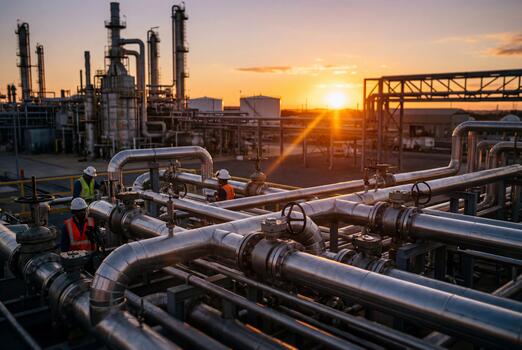
The blockade has caused notable disruptions at Kharg Island, Iran’s primary exporting facility. Maritime intelligence firm Windward has reported a complete halt in loading operations there.
Persistent ship-to-ship transfers and sustained activity around Iran’s territorial waters suggest a shift in strategy. Iran seems to rely increasingly on covert operations to mitigate export challenges.
Analysts from Windward note that dark tanker concentrations are appearing in various regions. This behavior underscores Iran’s need for alternative zones to maintain its oil export capabilities.
Challenges for Iranian Oil Tankers
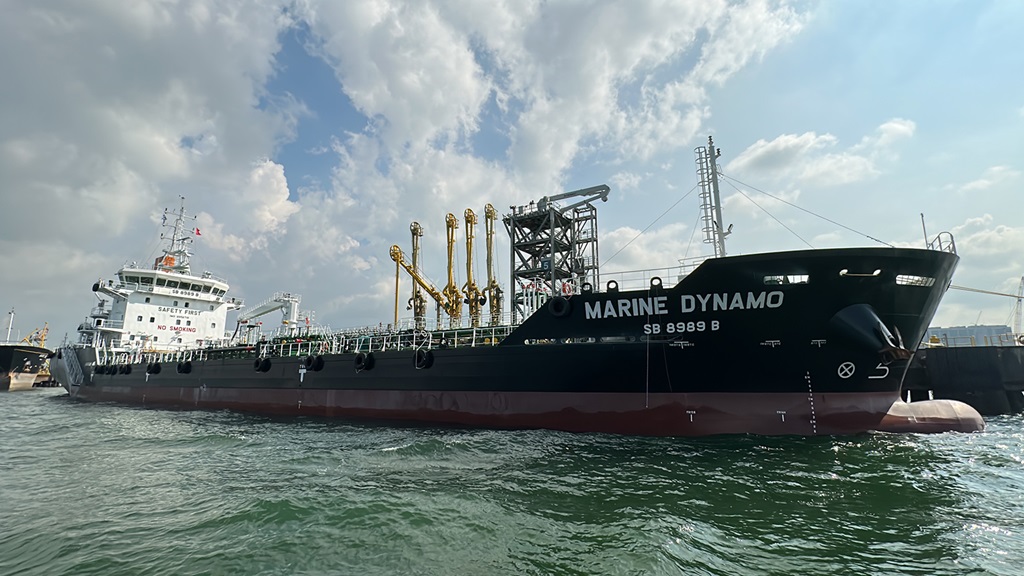
The Iranian fleet consists largely of older vessels, which poses significant challenges amid ongoing sanctions. Many of these tankers are routinely unable to reach international markets due to interception risks.
Notably, operations involving bunkering and dark anchorage are becoming more common. These tactics reflect Iran’s strategies for evading sanctions while positioning its crude exports.
An examination of maritime movements shows that clandestine activities are ramping up within Iranian waters. This behavior emphasizes Tehran’s commitment to maintaining its oil export flow despite immense pressure.
Future Prospects for Iranian Oil Exports
Iran’s oil exports face an uncertain future, particularly with ongoing geopolitical tensions. However, the recent increase in stored oil suggests resilience amidst adversity.
As tankers continue to cluster near Chabahar, analysts note that Iran will likely pursue more unconventional methods to navigate external pressures.
For readers looking to grasp the evolving situation in the oil sector, Gulf Petro Vision stands ready to provide expert consultation and deeper insights into navigating these challenges.
Conclusion: Navigating the Evolving Landscape
The persistence of Iranian oil exports makes it clear that despite the U.S. blockade, alternative strategies are being employed.
While the immediate future remains fraught with challenges, Iran’s ability to adapt reflects a determined pursuit of maintaining its oil exports. How these dynamics evolve will certainly continue to impact the global oil landscape.