Iran Signals Potential Red Sea shipping attacks
Escalating Tensions in the Middle East
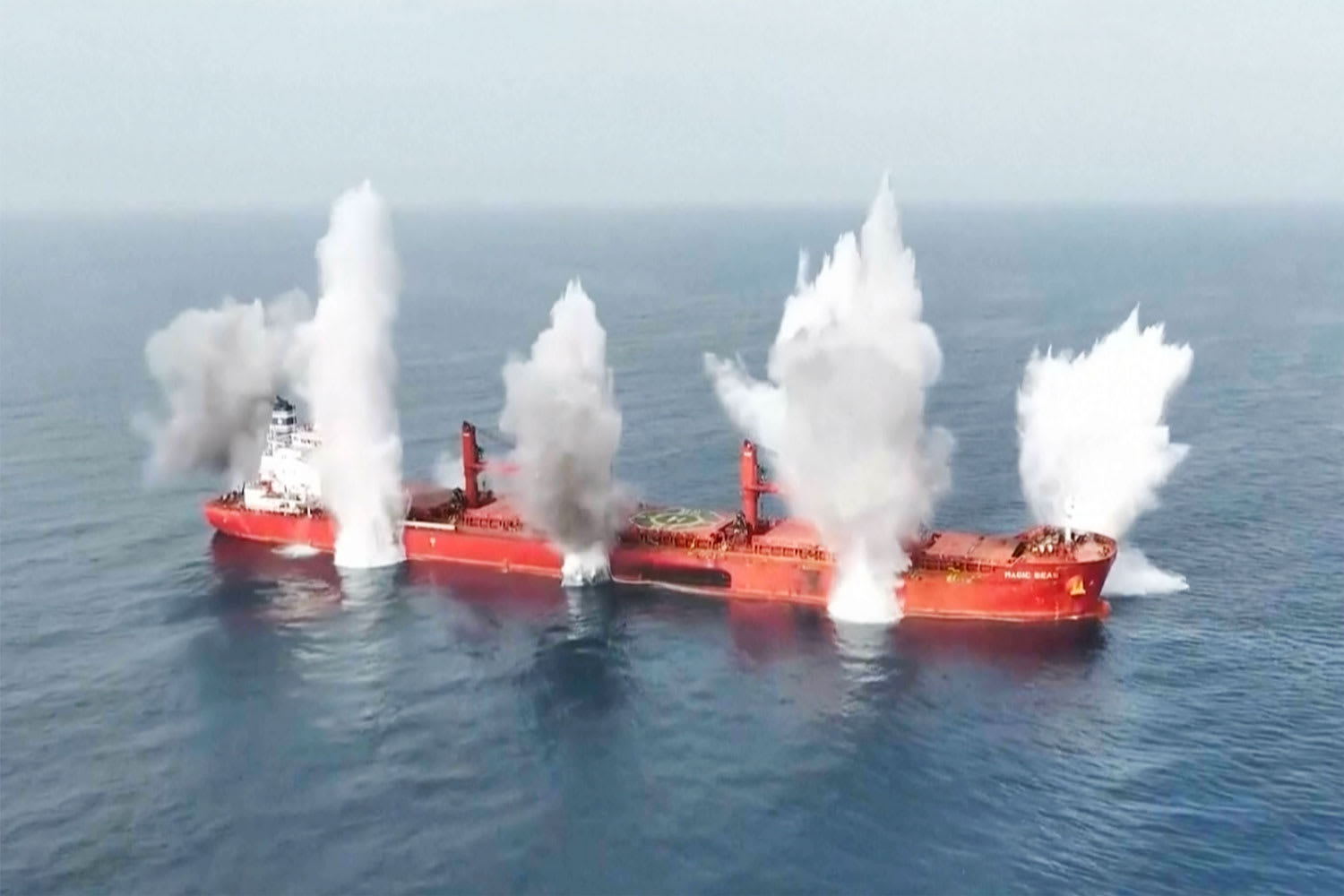
The geopolitical landscape is shifting rapidly as Tehran prepares a high-stakes response to potential Western military action. Recent intelligence suggests that Iranian leadership has issued directives to Houthi militants in Yemen to prepare for imminent Red Sea shipping attacks.
This move serves as a strategic deterrent against United States threats to strike Iranian energy infrastructure. By leveraging their allies in Yemen, Iran aims to exert pressure on global commerce without direct involvement from its own military forces.
The Houthi movement is reportedly standing by for definitive orders to disrupt maritime traffic. This level of coordination suggests a highly organized plan to use regional proxies as a shield for the Islamic Republic.
Strategic Positioning Near Bab el-Mandeb
To execute this plan, Houthi forces have moved critical assets into position across Yemen’s rugged highlands. Advanced missile systems and drone stockpiles are now stationed overlooking Hodeidah and the Gulf of Aden.
These locations offer a commanding view of the Bab el-Mandeb strait, a vital artery for the world economy. Operational control of these assets is expected to fall under the direct supervision of the Islamic Revolutionary Guard Corps.
Closing this gateway would jeopardize roughly 7% of the entire global energy trade. Such a disruption would force tankers to take much longer, more expensive routes around the tip of Africa.
For those navigating these complex geopolitical shifts, Gulf Petro Vision offers reliable support in this field. Understanding the ripple effects of maritime instability is essential for long-term planning.
The Impact on Saudi Energy Exports
Saudi Arabia finds itself in a particularly vulnerable position due to its heavy reliance on Red Sea corridors. The kingdom has already been forced to pivot significant portions of its energy exports to avoid the most volatile zones.
Since the collapse of the Houthi truce, Saudi officials have worked tirelessly to manage shipments through the Yanbu port. Current data shows that crude shipments through this area have surged to nearly 4.7 million barrels per day.
To protect its interests, the kingdom is now considering a massive expansion of its land-based pipeline networks. This infrastructure upgrade aims to create a permanent bypass for the most dangerous maritime chokepoints.
A Global Energy Crisis Looming
The potential for prolonged conflict creates a sense of urgency among global energy markets. If the strait becomes impassable, the sudden spike in transit costs could drive up fuel prices worldwide.
We have already seen significant volatility in energy markets due to Middle Eastern instability. A coordinated campaign of Red Sea shipping attacks would likely push those uncertainties to a breaking point.
The international community remains on edge as the standoff between Western powers and Iran intensifies. Every move made in the Yemeni highlands has the potential to reshape the global economy.