Iran–GCC Military Tensions: What Do They Really Mean for Bitumen and Crude Oil Markets?
Why Are Iran–GCC Tensions So Critical for Energy Markets?
In today’s energy landscape, geopolitical risk is no longer a background factor—it is a primary market driver. Among all global hotspots, tensions between Iran and the Gulf Cooperation Council (GCC) countries stand out for their direct and immediate impact on crude oil and bitumen markets.
For suppliers, traders, and infrastructure contractors across the Middle East, understanding how Iran-related military incidents affect oil price volatility, freight costs, and bitumen supply chains is essential for decision-making.
This article provides a comprehensive, data-driven analysis of how Iran–GCC military tensions influence:
- Crude oil pricing dynamics
- Bitumen production costs
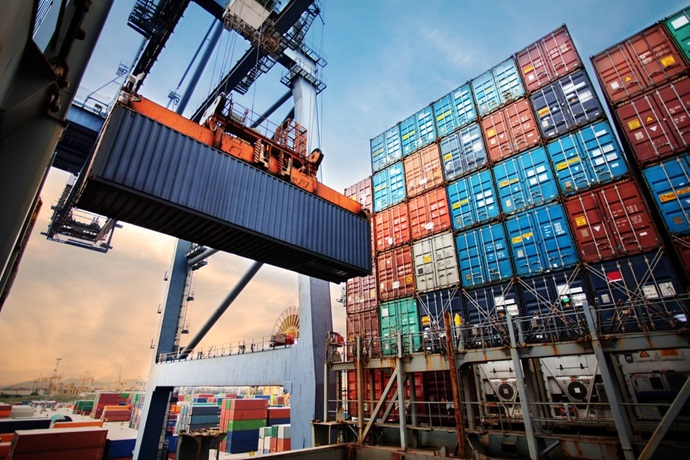
- Shipping and logistics risks
- Regional and global supply chains
It also offers practical insights to help industry stakeholders navigate uncertainty and manage risk effectively.
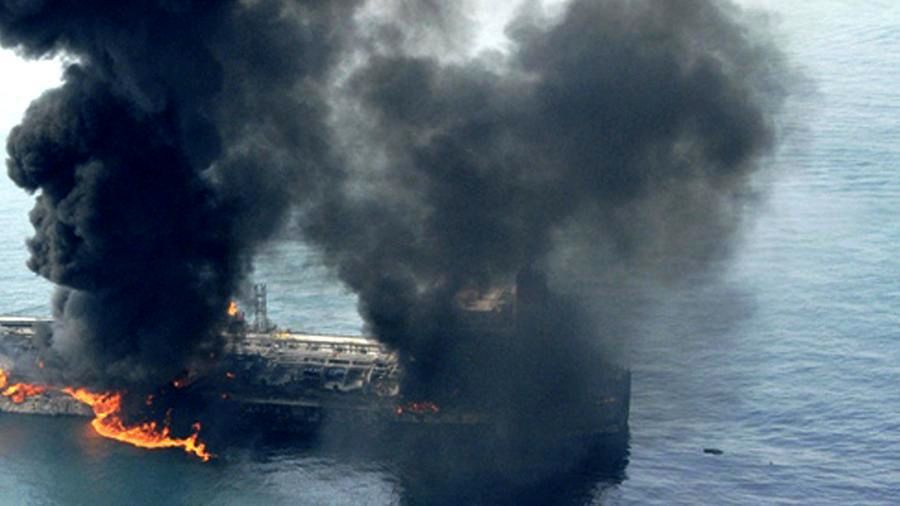
What Has Happened Before? Key Iran-Linked Attacks and Market Reactions
To understand current market behavior, it is important to examine past geopolitical shocks and their measurable impact on oil and bitumen markets.
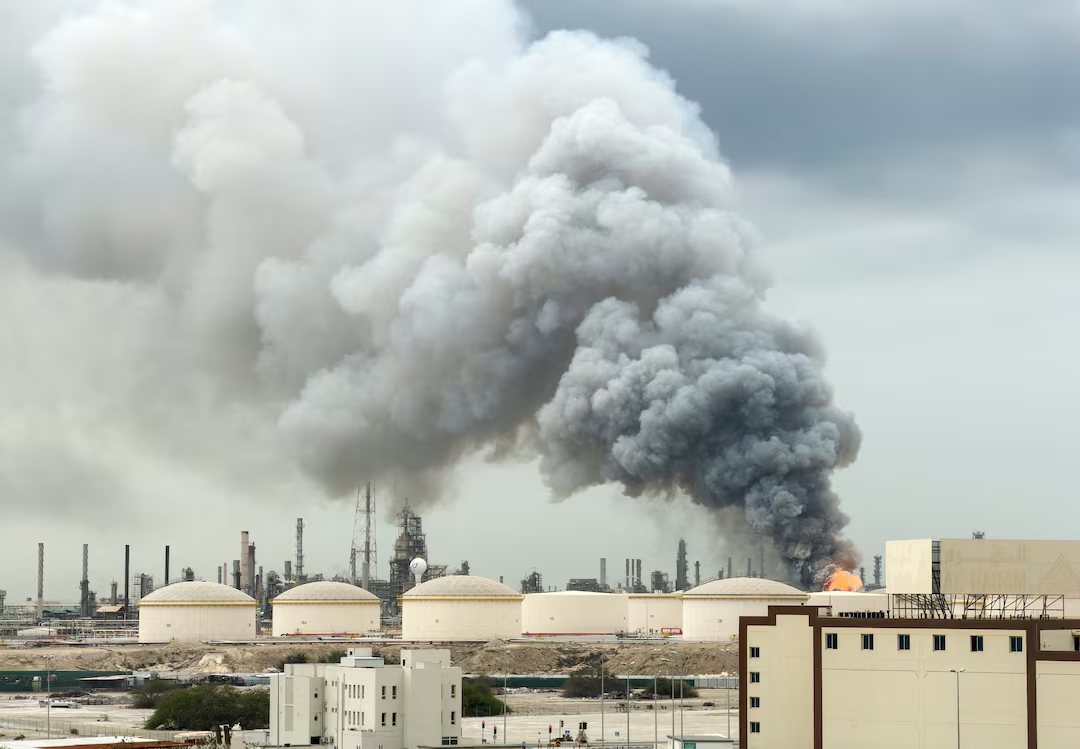
1. The 2019 Saudi Aramco Attack: A Turning Point?
In September 2019, drone and missile strikes targeted Saudi Arabia’s Abqaiq and Khurais oil facilities.
Market impact:
- حوالي 5.7 million barrels per day (bpd) of production temporarily disrupted
- Brent crude surged nearly 15% in a single trading session
- Bitumen prices in Asia increased by 8–12% within two weeks
Why did this matter?
This event demonstrated how vulnerable critical oil infrastructure is—and how quickly markets react to supply shocks.
2. Tanker Attacks in the Gulf of Oman (2019): How Did Shipping Costs React?
Market impact:
- War risk insurance premiums increased by 200–300%
- Freight rates for Middle East–Asia routes surged
- Delays in bitumen cargo deliveries became more frequent
Key takeaway:
Even without direct supply loss, perceived risk alone can disrupt logistics and increase costs.
3. Periodic Strait of Hormuz Tensions (2020–2024): A Constant Threat?
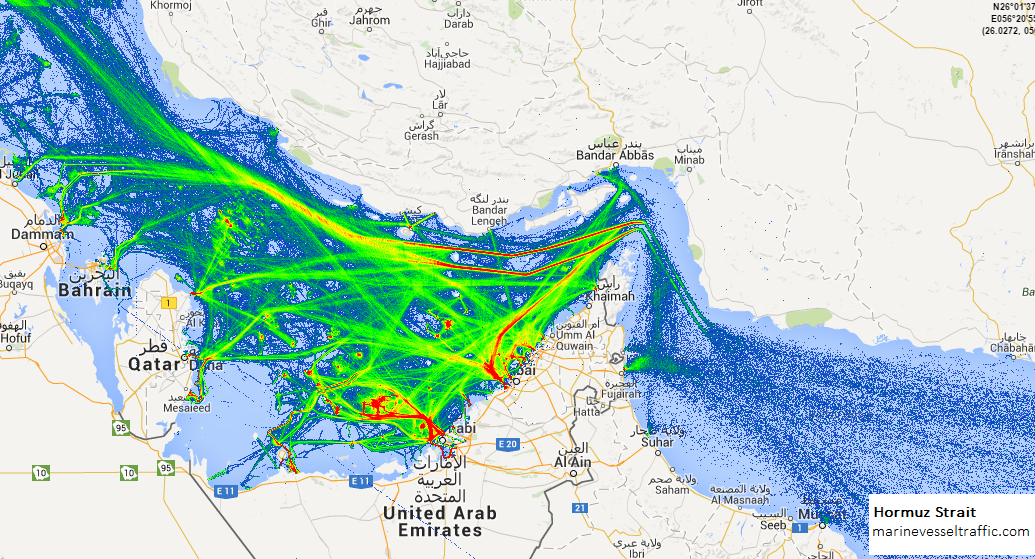
The Strait of Hormuz handles approximately 20% of global oil trade.
Market reactions typically included:
- Short-term oil price spikes (3–8%)
- Increased vessel rerouting or hesitation from shipowners
- Higher premiums on contracts linked to Gulf-origin cargoes
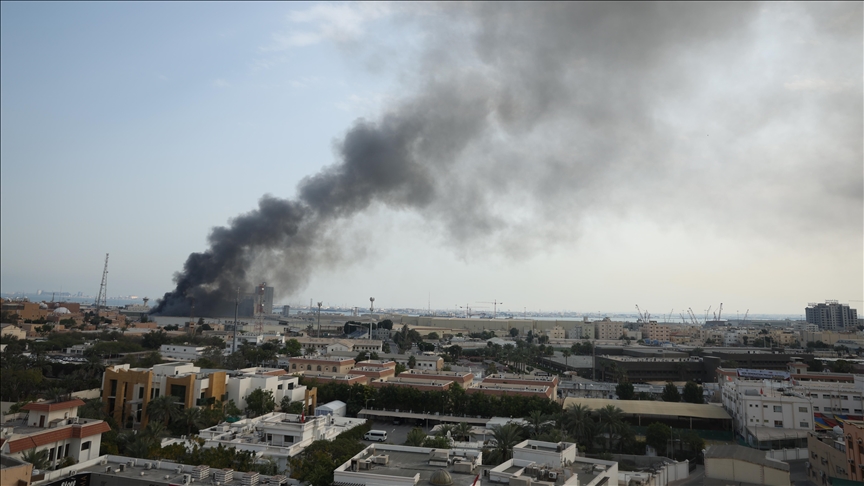
How Do Military Tensions Affect Oil and Bitumen Markets?
Understanding the mechanisms behind market reactions is key to anticipating future trends.
1. Does Conflict Directly Reduce Oil Supply?
Yes—when infrastructure is targeted.
Key Effects:
- Reduced crude oil output
- Tighter global supply
- Immediate upward pressure on prices
Since bitumen is a byproduct of crude refining, higher crude prices directly translate into higher bitumen production costs.
2. Why Is the Strait of Hormuz So Important?
The Strait of Hormuz is the world’s most critical oil transit chokepoint.
When tensions rise:
- Shipping companies factor in higher risk
- Insurance premiums increase significantly
- Some vessels avoid the route altogether
Impact on bitumen:
- Higher CFR (Cost and Freight) prices
- Longer delivery times
- Reduced competitiveness of Gulf exporters
3. How Do Insurance and Financial Risks Influence Trade?
In conflict scenarios:
- War risk premiums rise sharply
- Banks tighten trade financing conditions
- Letters of credit (LCs) may face delays or stricter scrutiny
This creates additional friction in the bitumen trade, especially for smaller suppliers.
4. Can Supply Chains Be Disrupted Without Physical Damage?
Absolutely.
Even in the absence of direct attacks, uncertainty can lead to:
- Port congestion
- Delays in vessel scheduling
- Storage bottlenecks
- Limited availability of shipping equipment
This reduces market efficiency and increases operational risk.
What Does This Mean for Bitumen Suppliers?
Bitumen suppliers are uniquely exposed to geopolitical risks due to the nature of their product and logistics.
1. Are Bitumen Prices More Volatile During Conflicts?
Yes, but with a nuance.
Price drivers:
- Rising crude oil prices → higher bitumen production costs
- Weak infrastructure demand → limits price increases
This creates a push-pull dynamic:
- Upward pressure from costs
- Downward pressure from uncertain demand
2. Does Demand Change During Geopolitical Instability?
Yes.
Common trends:
- Governments delay infrastructure projects
- Buyers shift to short-term procurement strategies
- Reduced appetite for long-term contracts
This leads to:
- Increased spot market activity
- Greater price fluctuations
3. What Are the Biggest Logistics Challenges?
Suppliers face multiple operational hurdles:
- Increased freight costs
- Vessel shortages
- Delayed shipments
- Route uncertainty
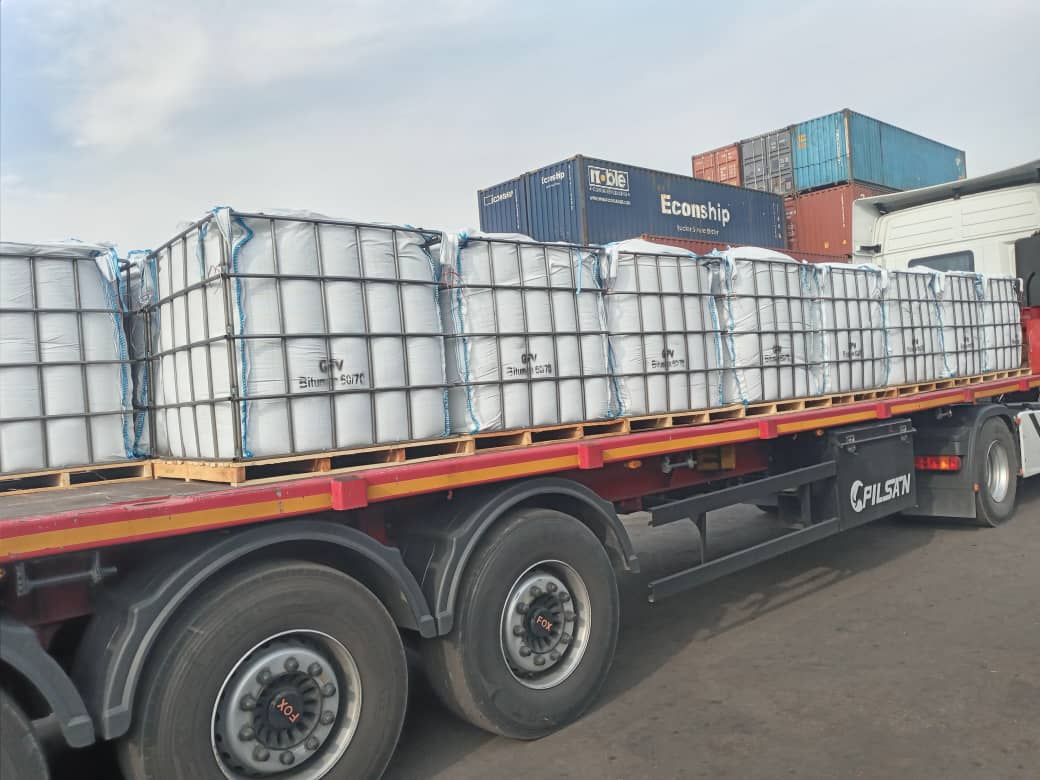
For bulk bitumen shipments, even small disruptions can significantly impact delivery schedules and margins.

How Do Markets React in the Short Term?
Short-term reactions are often driven by sentiment as much as fundamentals.
Typical short-term effects:
- Sharp oil price spikes
- Sudden increases in freight and insurance costs
- Panic buying or stockpiling
- Temporary supply shortages
However, these effects usually stabilize once the situation becomes clearer.

What About Long-Term Market Implications?
While short-term volatility grabs headlines, long-term shifts are more important for strategic planning.
1. Are Companies Diversifying Supply Routes?
Yes.
To reduce reliance on the Strait of Hormuz, companies are:
- Exploring alternative ports
- Using overland transport corridors
-
2. Is the Global Bitumen Trade Shifting?
Ongoing instability may lead to:
- Increased role of non-Gulf suppliers
- Shifting trade flows to other regions
- Greater competition in Asia and Africa
3. How Important Is Risk Management Today?
More than ever.
Key strategies include:
- Hedging against oil price volatility
- Diversifying suppliers and clients
- Flexible contract structures
- Strong logistics partnerships
What Should Industry Stakeholders Do Now?
In a volatile geopolitical environment, proactive planning is critical.
Practical recommendations:
1. Monitor geopolitical developments daily
Understanding regional dynamics can provide early warning signals.
2. Build flexibility into contracts
Allow adjustments for freight, insurance, and delivery timelines.
3. Diversify export markets
Avoid overdependence on a single region.
4. Strengthen logistics networks
Reliable shipping partners can reduce operational risk.
5. Manage inventory strategically
Balancing storage costs with supply security is key.

Are Iran–GCC Tensions the New Normal for Energy Markets?
The evidence suggests that geopolitical risk in the Middle East will remain a structural feature of global energy markets.
Rather than viewing these tensions as isolated events, industry participants should treat them as ongoing variables that influence:
- Pricing models
- Supply chain strategies
- Investment decisions
Conclusion: How Can Bitumen Suppliers Stay Competitive?
Iran–GCC military tensions have a clear and measurable impact on crude oil and bitumen markets. From production disruptions to shipping risks, the effects are both immediate and far-reaching.
For bitumen suppliers, success in this environment depends on:
- Deep market awareness
- Operational flexibility
- Strategic risk management
Those who can adapt quickly to geopolitical shifts will not only mitigate risks but also identify new opportunities in an evolving market landscape.