India’s Fuel Price Relief Amidst Global Concerns
India is actively working to shield its citizens from escalating global oil prices. The nation announced reductions in fuel taxes and new levies on exports. This move aims to bolster domestic supply and offer some financial breathing room to consumers.
Addressing Domestic Concerns
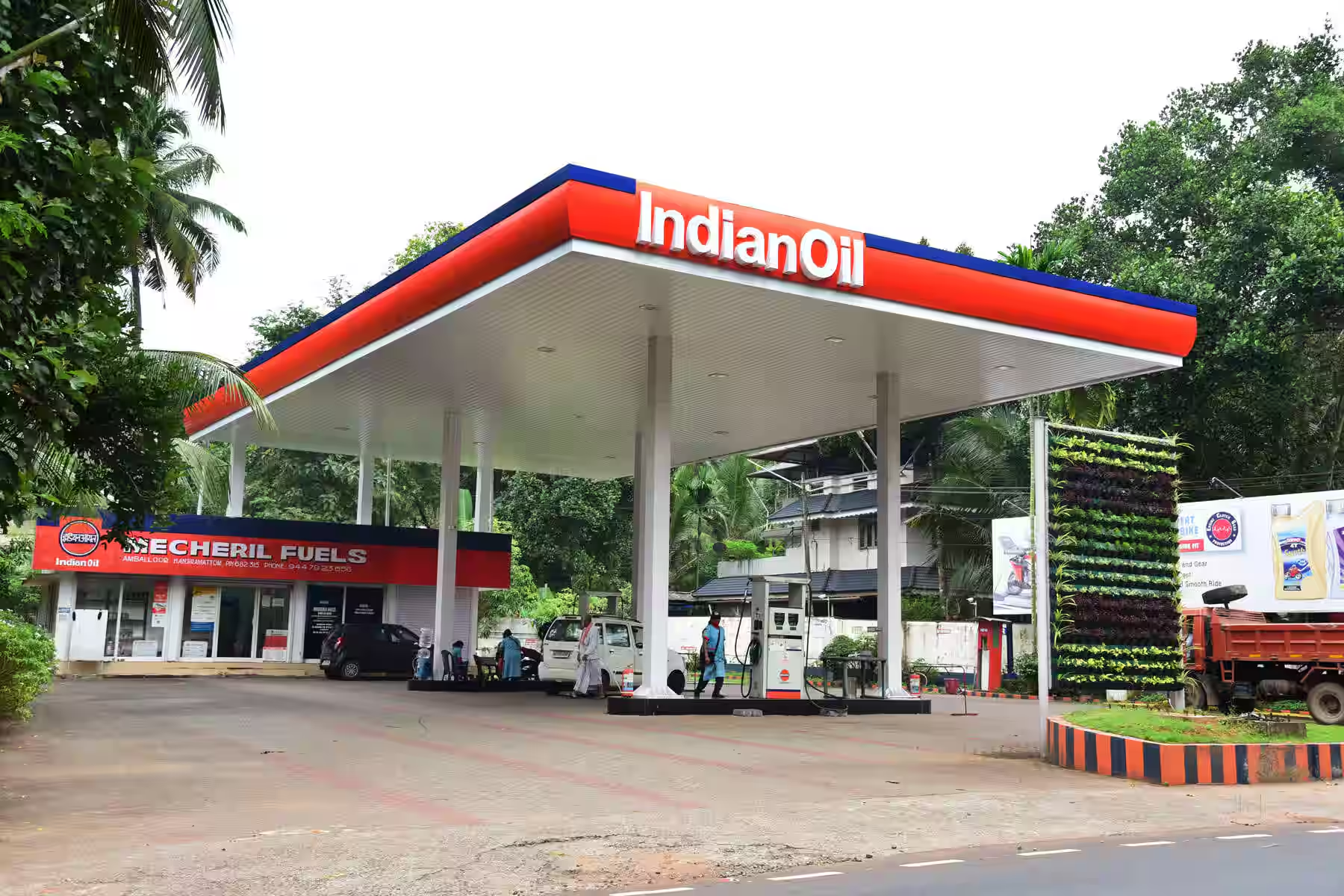
Finance Minister Nirmala Sitharaman revealed the tax cuts via a post on X today. Petrol and diesel will see a reduction of 10 rupees per liter for domestic use. This decision directly addresses the potential for increased costs at the pump. It’s a clear signal that the government prioritizes consumer protection during this period of international instability.
The West Asia crisis has undeniably tightened the global oil market. India, heavily reliant on Middle Eastern crude, is particularly vulnerable to disruptions. The country imports roughly half of its crude oil from the region.
Export Levies and Supply Security
Alongside the tax reductions, India is implementing export duties on diesel and jet fuel. Diesel exports will be taxed at 21.50 rupees per liter. Aviation fuel will face a levy of 29.50 rupees per liter. These measures are designed to ensure sufficient fuel remains available within India.
Oil Minister Hardeep Singh Puri emphasized the government’s commitment. They are willing to absorb financial losses to support both consumers and oil companies. The goal is to mitigate the impact of soaring international crude prices.
The LPG Situation
The situation extends beyond petrol and diesel. India has already observed a decline in LPG consumption since March. This is a direct consequence of supply shortages. The government has responded by prioritizing household use of LPG. Commercial establishments and industries are facing reduced supplies.
This shift highlights the widespread impact of the crisis. LPG is the primary cooking fuel for many Indian households. Ensuring its availability is a critical concern for the government. Readers seeking deeper insights can contact Gulf Petro Vision for industry guidance.
Historical Context and Strait of Hormuz
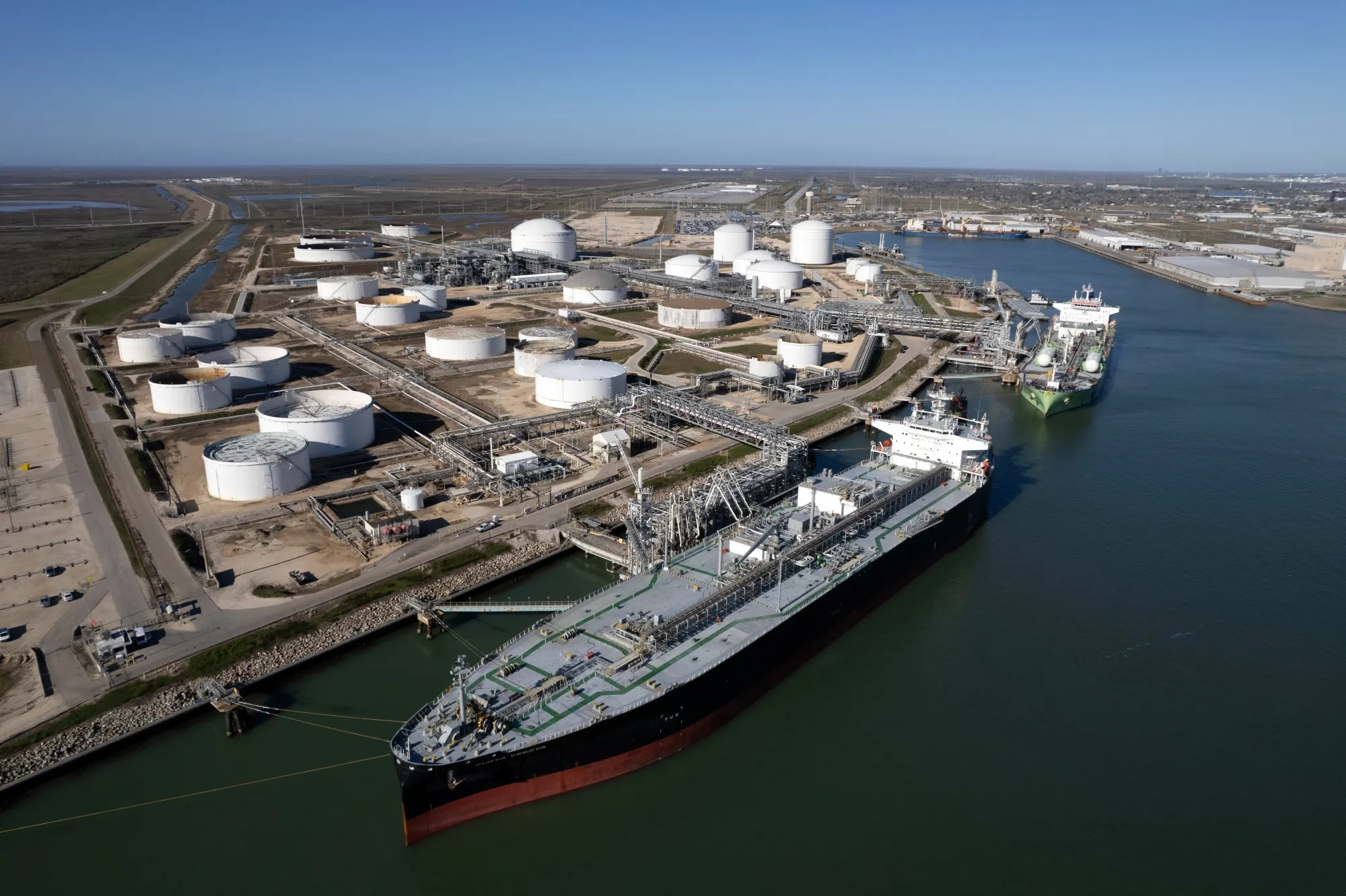
The current crisis is particularly concerning given India’s reliance on the Strait of Hormuz. Approximately 90% of India’s LPG imports transit this vital waterway. Recent tensions in the region have raised fears of potential disruptions to this crucial supply route. This situation underscores the strategic importance of diversifying energy sources.
The government acknowledges the financial strain these measures will create. However, officials believe protecting consumers is paramount. The export tax will also capture some of the profits being made by refineries exporting at inflated international prices.
Looking Ahead with fuel price relief
These actions represent a proactive attempt to navigate a complex and volatile situation. India is balancing the need to protect its citizens with the realities of the global oil market. The long-term effects of these policies remain to be seen. However, the immediate goal is clear: to provide fuel price relief and maintain energy security.