Impact of the US–China Ceasefire on the Global Bitumen Supply Chain: Strategic Insights for 2026
The evolving economic relationship between the United States and China has far‑reaching consequences for global commodities, particularly bitumen, a foundational material used in road construction and infrastructure development. As the world enters 2026 under a cautious US–China ceasefire, the bitumen supply chain is experiencing balanced continuity rather than full stability. This environment affects procurement planning, refining operations, logistics, and future demand in key regions such as the Middle East, Asia, Africa, and emerging markets.
What Is the US–China Ceasefire and Why It Matters
The current US–China trade truce is not a comprehensive agreement. Instead, it is a pause in escalating trade tensions, driven by a combination of economic pressures, domestic political interests, and acknowledged supply chain vulnerabilities. While tariff barriers and technology restrictions remain in place, the absence of fresh punitive measures has opened a narrow corridor of predictability for global supply networks.
For the bitumen industry, this temporary calm offers a chance to adapt operations, manage risk, and maintain cross‑border trade flows. Since bitumen markets are closely linked to refining activities, crude feedstock availability, and large‑scale infrastructure demand, even limited predictability influences strategic planning.
Bitumen Production and Refinery Adjustments
Bitumen production is highly sensitive to refinery configurations and crude slate decisions. Countries that rely on heavy crude processing — particularly in the Middle East and parts of Asia — have had to adapt to shifting global trade dynamics over recent years.
Under prolonged US–China tensions, investment in refinery upgrades was delayed, and output strategies shifted toward light products with relatively stable export access. However, the current trade truce has encouraged some refiners to cautiously readjust bitumen yields, recognizing the material’s importance to infrastructure projects worldwide.
This recalibration reflects operational prudence rather than renewed confidence. Refineries are tightening alignment with demand signals while avoiding long‑term commitments until a more substantial resolution is reached.

China’s Infrastructure Policy and Bitumen Demand
China’s infrastructure policy continues to be a pivotal factor shaping global bitumen flows. Despite slower overall construction growth, the country remains a major driver of paving bitumen demand through provincial road maintenance, urban redevelopment efforts, and regional connectivity initiatives.
Uncertainty in broader trade relations has prompted Chinese planners to place a higher priority on supply security over short‑term price advantages. As a result, sourcing strategies have diversified — with increased procurement of bitumen from the Middle East, Southeast Asia, and even Russia. These patterns influence export pipelines and production decisions in key supplier markets.

Middle Eastern Export Strategies
In the Middle East, the effects of the US–China ceasefire are evident but nuanced. Gulf producers — already navigating energy transition pressures and fluctuating oil demand — view bitumen as a stable export linked to ongoing global infrastructure needs.
The absence of renewed trade hostilities reduces the risk of abrupt demand shocks from China, enabling exporters to sustain shipment schedules and maintain contractual obligations. However, the lack of a comprehensive trade resolution tempers enthusiasm for major capacity expansions or aggressive market capture strategies.
Exporters are therefore emphasizing long‑term delivery frameworks and flexible contract terms that accommodate geopolitical uncertainty.
Logistics and Shipping Adjustments
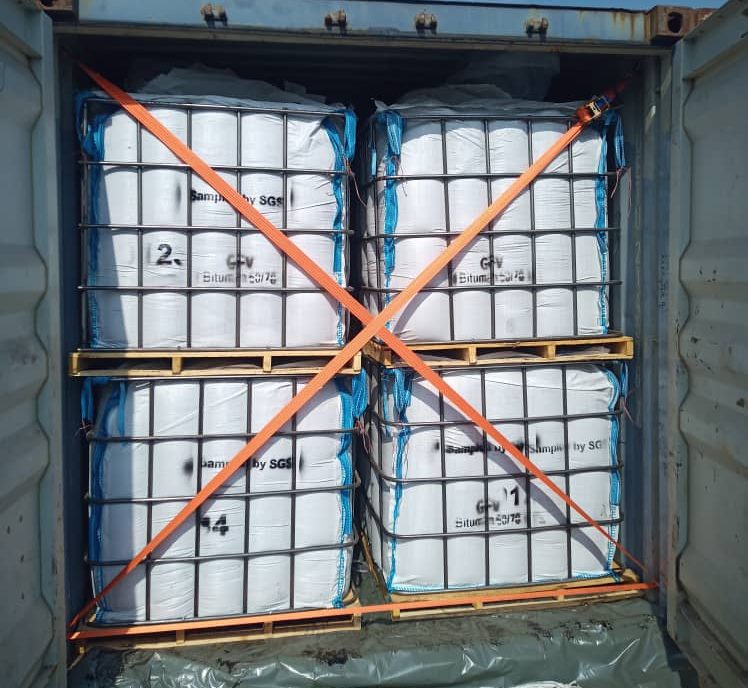
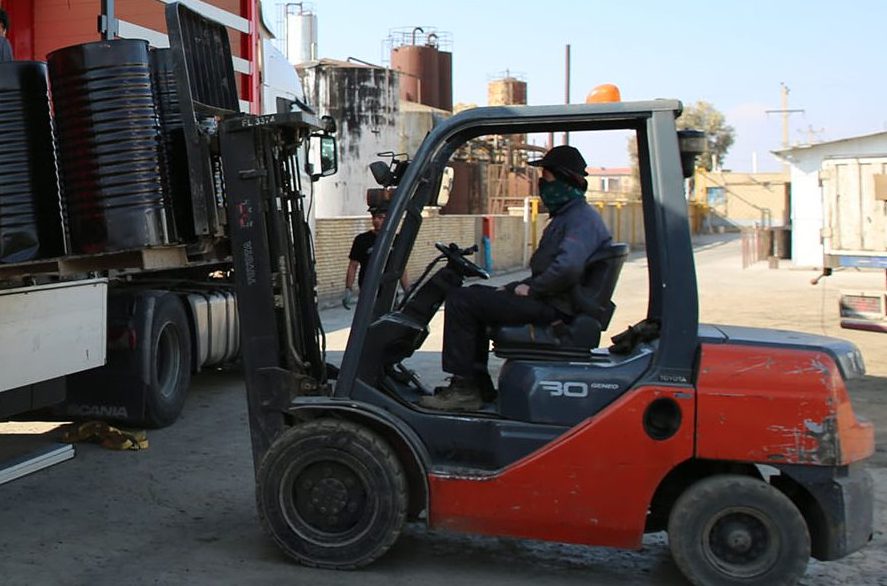
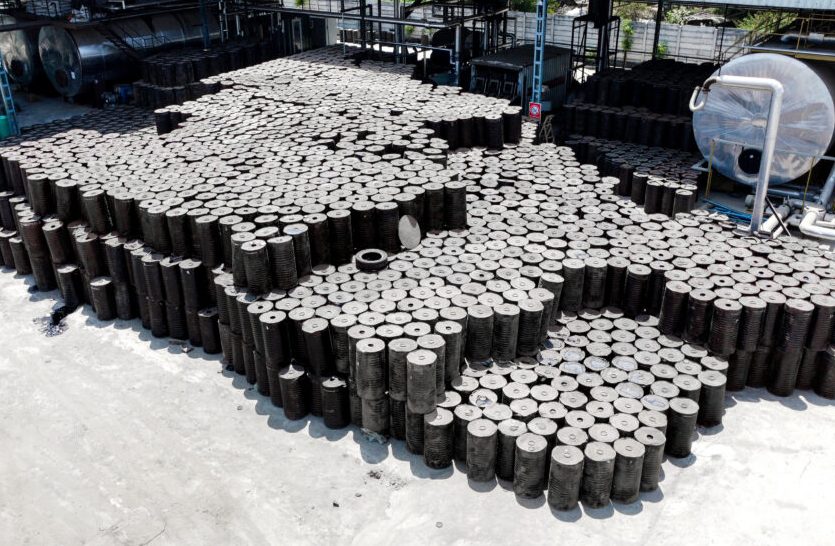
Global logistics infrastructure has adapted in response to heightened geopolitical risk over recent years. Shipping routes, freight costs, and insurance terms became more conservative during peak US–China tension periods. The current truce has eased some constraints, improving scheduling reliability and marginally enhancing freight availability for both bulk and drummed bitumen shipments.
Despite these improvements, logistics providers remain cautious, retaining flexibility clauses and avoiding overdependence on any single market route. This careful approach underscores how geopolitical conditions continue to shape operational decision‑making across the bitumen supply chain.
Policy and Regulatory Dynamics
Although the trade ceasefire reduces the likelihood of sudden trade sanctions, it does not fundamentally alter the strategic posture of either superpower concerning energy‑linked materials. The United States continues to prioritize supply chain resilience, encouraging diversification away from concentrated industrial processing capacity. While bitumen itself is not a direct target of trade restrictions, related industries — including refining technologies and transport infrastructure — remain influenced by broader regulatory frameworks.
China, meanwhile, uses the pause in escalation to reinforce domestic self‑sufficiency while maintaining international sourcing channels. For bitumen, this translates into sustained support for domestic refining capacity, supplemented by imports that balance seasonal demand and product specifications.
These dual strategies shape competitive pressures in global markets, where suppliers must now emphasize consistency, reliability, and technical compliance rather than competing solely on price.
Shifts in Marketing and Contract Practices
Marketing within the bitumen sector is adapting to geopolitical realities. Sellers emphasize stability and long‑term relationships, increasingly structuring contracts to manage uncertainty. Rolling agreements, diversified customer portfolios, and performance assurances are becoming more common, fostering trust within a climate of strategic ambiguity.
This shift in approach reflects broader industry recognition that growth will be driven by supply continuity, quality compliance, and adaptability rather than short‑term arbitrage.
Infrastructure Financing and Project Delivery
Infrastructure financing — one of the core drivers of bitumen demand — is also influenced by geopolitical risk assessments. Multilateral lenders and state‑backed funds now factor in potential material supply disruptions when approving major road, port, and connectivity projects.
While the current trade pause does not remove all risk factors, it reduces the likelihood of sudden disruptions caused by trade restrictions. This relative calm supports the gradual release of funding, enabling many bitumen‑dependent projects in Africa, Southeast Asia, and South Asia to move forward with less delay.
The ongoing alignment of financing with supply chain expectations thus indirectly sustains bitumen demand across multiple regions.

Environmental and Regulatory Pressures
Environmental considerations intersect with geopolitical conditions to shape industry responses. Both the United States and China are pursuing climate goals that affect heavy oil processing and emissions‑intensive products like bitumen. Although the trade truce does not alleviate regulatory pressure, it offers producers a window to invest in efficiency improvements, advanced processing technologies, and emissions compliance.
This trend underscores a broader industry shift toward sustainability — a factor likely to influence future market access and buyer preferences.
Emerging Market Effects
In emerging markets — particularly in Africa and Southeast Asia — the indirect benefits of the US–China ceasefire are tangible. Infrastructure projects dependent on Chinese supply chains face fewer procurement bottlenecks, reducing delays and supporting smoother material flows. This continuity enables improvements in road quality and regional connectivity, even amid broader economic uncertainty.
Conclusion: A Managed Pause, Not a Full Reset
The US–China trade ceasefire of 2026 represents a managed pause rather than a decisive turning point. For the global bitumen industry, its significance lies in the quiet normalization of operations under a framework of cautious expectation. Bitumen production continues, trade flows persist, and infrastructure projects advance — but without the confidence necessary for transformative investment.
Producers, traders, and end users are adapting to a market shaped by pragmatism rather than certainty. Strategic ambiguity now defines supply chain planning, reinforcing the notion that geopolitical restraint provides temporary stability but not long‑term assurance.
Bitumen’s role as a foundational material for infrastructure remains intact. Yet its movement through global channels will continue to reflect the broader geopolitical balance: steady yet cautious, predictable yet provisional.