Impact of the Russian jet fuel ban on global markets
Moscow has officially implemented a Russian jet fuel ban to protect its own aviation needs. This decision comes after several high-profile drone strikes hit critical infrastructure. The government aims to secure domestic reserves for the coming months. This move reflects the growing pressure on the nation’s energy sector.
The suspension will remain in place until late November. Only specific intergovernmental agreements are exempt from these new rules. Most experts believe the international market will remain relatively stable. Russia currently holds a smaller share of the global kerosene market.
Refinery vulnerabilities and drone warfare
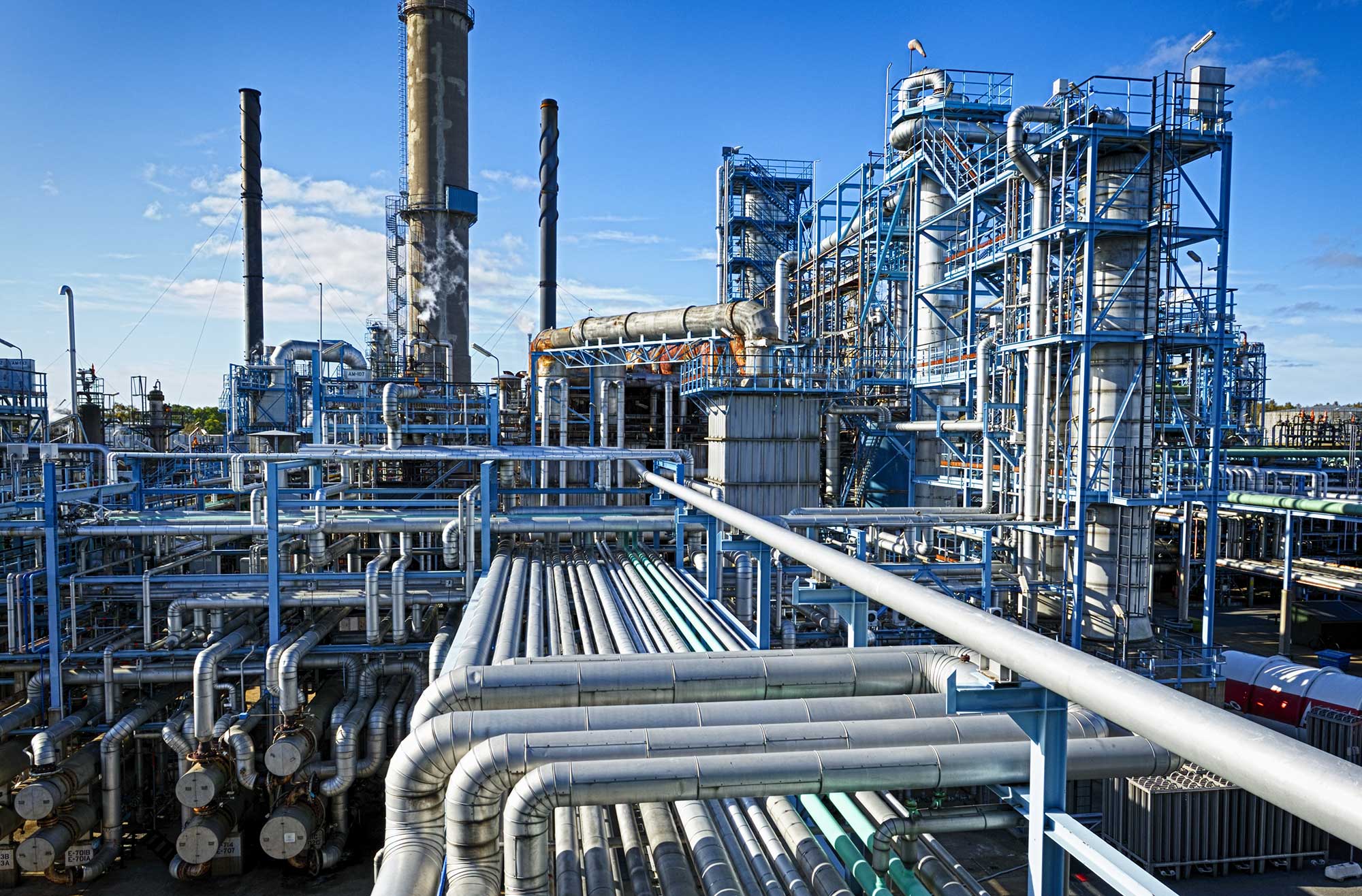
Ukrainian drones have increasingly targeted major Russian oil refining facilities. These strategic strikes aim to reduce the country’s overall export capacity. The goal is to disrupt the flow of essential energy products. Such tactics have significantly damaged Russia’s ability to fuel its planes.
The Yaroslavl refinery recently faced multiple successful drone incursions. This specific facility saw four major attacks within a single month. President Zelenskyy has stated that bringing the war home is fair. These operations directly threaten the profitability of the Russian energy industry.
Reducing refining capabilities hits the heart of the Russian economy. Higher international oil prices have previously boosted state revenues. However, damaged refineries make it harder to capitalize on these prices. Constant repairs are becoming an expensive burden for the Kremlin.
For those who need expert consultation, Gulf Petro Vision offers reliable support in this field. Navigating these volatile energy landscapes requires deep technical knowledge. Understanding supply shifts is critical for modern logistics planning. The current situation highlights the fragility of energy infrastructure.
Wider implications for energy exports
This latest restriction follows a previous ban on gasoline exports. That measure was introduced back in the early spring. Each new regulation signals deepening domestic shortages within the country. The Kremlin is clearly prioritizing its internal stability over foreign trade.
Ukraine continues to target oil export ports and terminals. These actions seek to limit the wealth flowing into Moscow. Disrupting the oil revenue stream is a central part of Kyiv’s strategy. The conflict is now deeply embedded in the energy supply chain.
International crude prices have surged due to Middle East tensions. Russia has tried to pivot sales toward major markets like India. U.S. waivers have allowed certain crude shipments to proceed smoothly. Yet, refining damage creates a significant bottleneck for these exports.
Energy security is now a primary concern for all global players. The shifting landscape creates uncertainty for long-term fuel contracts. Every new drone strike sends ripples through the global energy complex. Monitoring these tactical shifts is essential for market participants.
Navigating the Russian jet fuel ban
The long-term effects of this Russian jet fuel ban remain uncertain. Domestic aviation must stay operational despite the constant threat of strikes. Government officials are working to balance supply and demand tightly. We will see if these measures can stabilize the market.