Hormuz Shipping Crisis Leaves 40 India-Bound Vessels Stranded
Indian officials say more than 40 vessels bound for India remain stuck west of the Strait of Hormuz. The Hormuz shipping crisis is now threatening the country’s energy reserves and fertilizer supply at the same time.
The Growing Jam in the Gulf
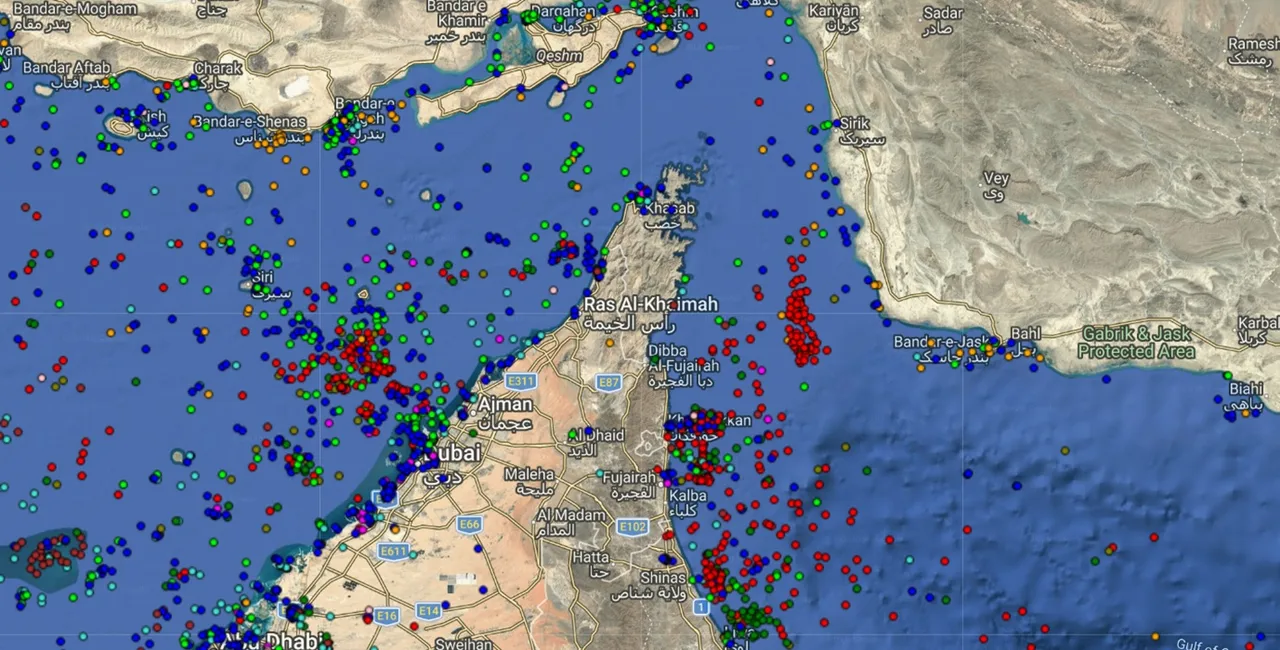
A total of 13 India-flagged ships are confirmed trapped in the Persian Gulf, unable to transit the strait. Indian authorities have identified 41 vessels for priority evacuation, including 18 tankers loaded with energy products.
Another 16 ships carry fertilizer. Seven more are hauling various other cargoes.
The bottleneck isn’t new, but it is getting worse. Weeks of restricted movement have turned the gulf into a floating parking lot of critical goods.
Energy and Food Supplies Under Pressure
The stranded fleet includes vessels carrying crude oil, LPG, and LNG. Fertilizer shipments are stuck too, raising concerns about agricultural supply chains.
Indian officials have been blunt about the consequences. The government views this as a direct hit to both energy and food security.
Every day these ships sit idle, the pressure builds on domestic reserves. For a country heavily dependent on imported energy, the math is uncomfortable.
A Fragile Ceasefire Tested Again
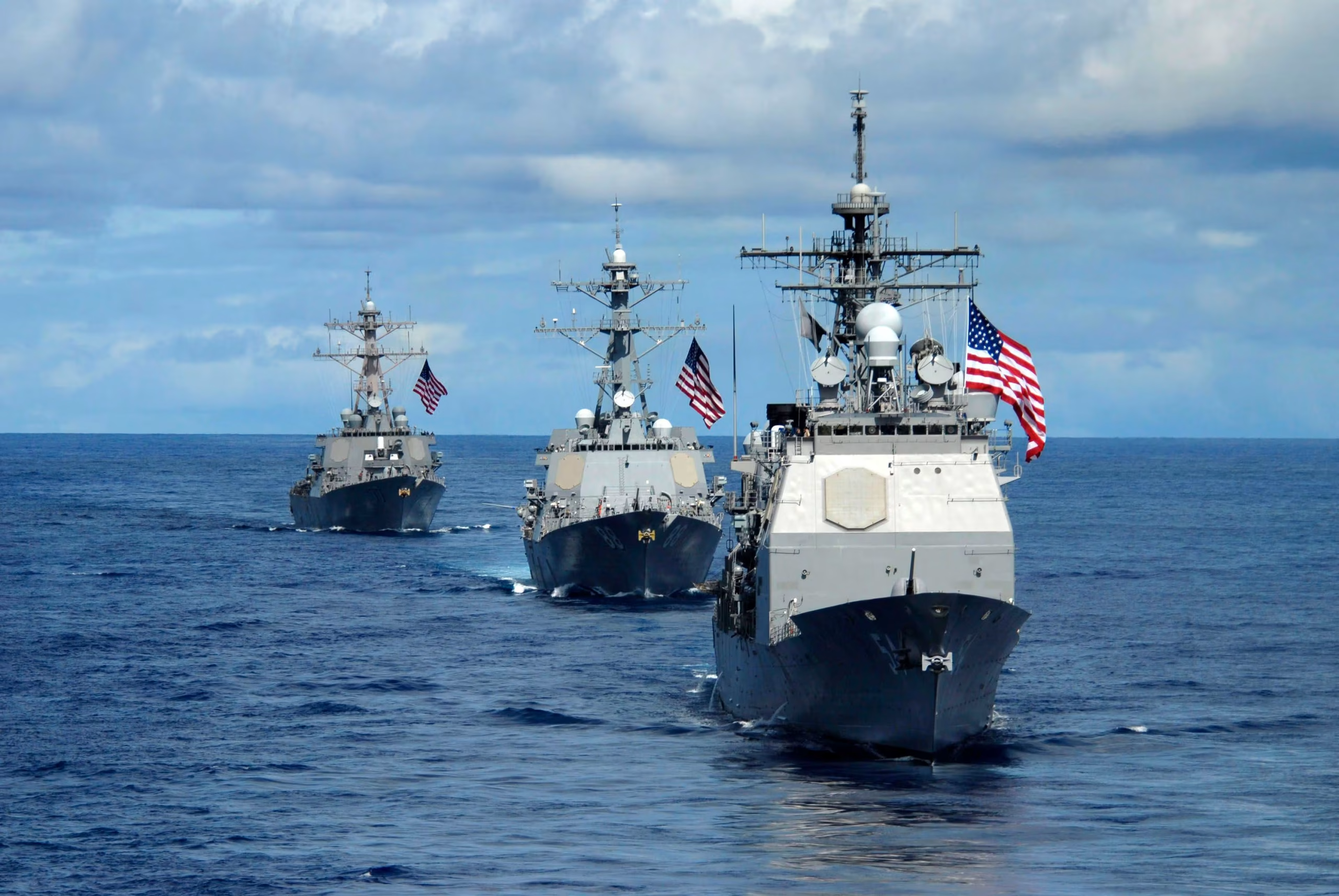
Just this past Friday, Iran and the United States exchanged fire near the strait. The clash came barely a month into a ceasefire that observers always described as tentative. Washington insists the ceasefire remains in effect despite the flare-up.
Tehran, meanwhile, is reportedly reviewing a U.S. framework proposal that could lead to broader negotiations. The goal would be reopening the Strait of Hormuz to normal commercial traffic.
Yet the back-and-forth strikes make any deal feel distant. Trust between the two sides is thin, and the region’s shipping lanes remain a flashpoint.
For context on how these tensions ripple through global energy markets, analysts at Gulf Petro Vision have been tracking vessel movements and geopolitical risk factors closely, offering guidance to stakeholders navigating the uncertainty.
A Small Breakthrough
There was a brief moment of relief last weekend. The MT Sarv Shakti, chartered by Indian Oil Corporation, became the first India-linked LPG carrier to pass through the strait since the U.S. blockade began. The vessel cleared the waterway on May 2 and is expected to dock at Visakhapatnam by May 13.
The crossing was a test run of sorts. It showed that movement is technically possible, even if the risks remain high.
That single transit does little to ease the larger backlog, though. Dozens of ships still wait, their cargo growing more urgent by the hour.
Searching for a Way Forward
Diplomatic channels remain active, but progress is slow. India finds itself in an unenviable position, watching critical shipments sit stranded while two global powers negotiate over the same waterway. The Hormuz shipping crisis has exposed just how vulnerable India’s supply lines are to regional instability. A lasting resolution would bring immediate relief, not just to shipping companies, but to millions of consumers depending on that fuel and fertilizer. Until then, the fleet waits.