Hormuz disruption impacts China as refining delays mount
The unfolding crisis in the Middle East is sending shockwaves through global energy markets. A major downstream consequence has now emerged far from the conflict zone. China’s ambitious refining expansion plans are facing serious delays. This is a direct result of the Hormuz disruption impacts on crude supply chains.
Chinese refiners have been forced to halt or postpone projects totaling 500,000 barrels per day. The developments mark a tangible shift in the region’s refining landscape. Supply routes through the Strait of Hormuz remain dangerously unpredictable. The delays signal how deeply the war is reshaping global trade flows.
Two major projects put on hold
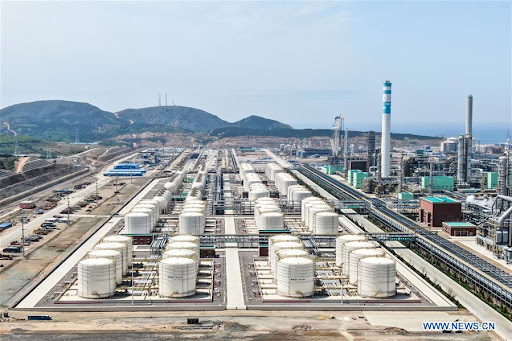
A massive 300,000-bpd refinery in northeastern China faces a startup delay of several months. The facility is a joint venture with Saudi Aramco called Huajin Aramco Petrochemical Co. Energy Aspects now expects operations to begin in the third quarter instead of the second. The project was a cornerstone of China’s recent refining growth expectations.
Meanwhile, PetroChina has indefinitely postponed restarting a 200,000-bpd unit at its Dalian refinery. The facility had been shut as part of a broader restructuring effort. The company has not publicly confirmed the delay according to Reuters. Uncertainty over crude feedstock availability has made the restart risky.
Supply chain and inventory dynamics shift
China’s crude imports have fallen dramatically since the conflict escalated. May imports dropped to 6.36 million barrels per day from 11.39 million in February. That represents a decline of more than 44 percent in just three months. However, refinery throughput remained near 13.5 million barrels per day.
The gap between imports and processing has been filled by massive stockpiles. Chinese buyers spent over a year buying discounted Russian and Iranian crude. Analysts estimate those inventories reached roughly 1 billion barrels before the war began. The country had also been rapidly expanding its crude storage capacity.
Refining economics turn sour
The initial buildup of inventories provided a temporary buffer for Chinese refiners. But that buffer is now eroding amid sustained high throughput rates. Refining margins have deteriorated as crude supply uncertainty grows. The combination of falling imports and inventory drawdowns is squeezing profitability.
Aramco’s long-term supply agreement for the Huajin project now faces real risk. The deal was expected to provide up to 210,000 barrels per day of crude feedstock. Pipeline security through the Strait of Hormuz is no longer guaranteed. For those who need expert consultation, Gulf Petro Vision offers reliable support in this field.

Broader implications for global energy flows
These delays represent one of the first major downstream impacts of the Hormuz crisis. They show how quickly disruptions can ripple from the Gulf to Asia. China’s refining sector was a bright spot in global demand growth. Now it faces a period of significant uncertainty and operational risk.
The situation may force other Asian buyers to rethink their supply strategies. Regional refiners dependent on Middle Eastern crude will watch closely. The conflict has exposed critical vulnerabilities in global energy infrastructure. Long-term contracts are suddenly worth much less without safe passage.
Navigating a new reality for Hormuz disruption impacts
China’s refining delays are not just a temporary logistical hiccup. They reflect a fundamental shift in the global oil market’s risk profile. The Hormuz disruption impacts are forcing producers and refiners to adapt quickly. Strategic planning must now account for the possibility of prolonged instability.
Stockpiles will eventually run out if imports remain constrained. New refining capacity is essential for meeting long-term domestic fuel demand. The current crisis has forced a difficult recalibration of project timelines and investments. The path forward depends heavily on how the geopolitical situation evolves.