Bitumen Market Overview 21 July 2025
Global Bitumen Market Update
President Trump unveiled a trade agreement with Indonesia, averting planned 30% tariffs and settling instead on a reduced rate of 19%. He also sanctioned 14 other countries about possible new trade penalties. In the Middle East, Israeli forces launched strikes on Syria, while peace negotiations with Hamas in Qatar made limited headway.
Meanwhile, Russia intensified its military operations in Ukraine. These geopolitical developments, along with steady supply and robust demand, pushed crude oil prices up to $67 per barrel.

Global Bitumen Market Update
Demand remained robust across most European markets. In the Mediterranean region, bitumen prices declined sharply. African markets saw stable bitumen prices, despite a slowdown in activity caused by cold and rainy conditions. In Singapore, tight regional supply continued to drive export prices upward.
Demand from northern Vietnam, the Philippines, and Indonesia was primarily fulfilled by Northeast Asian exports, as buyers resisted higher-priced cargoes from Singapore. Iranian bulk export prices held steady, despite limited supply and some sellers targeting higher rates.
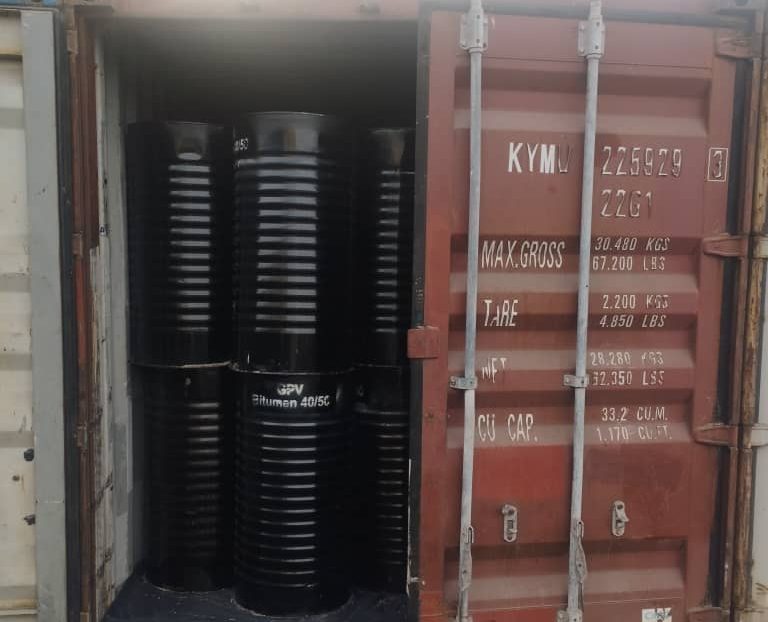
East Asia Market Overview
In Singapore, bitumen export prices rose due to tight supply, despite falling crude and fuel oil prices. Northeast Asian cargoes met demand from northern Vietnam, the Philippines, and Indonesia, as buyers resisted Singapore’s higher offers. Traders are offering August cargoes at $435-$440/ton FOB, though buyers remain hesitant. In Vietnam, southern buyers engaged with Singapore, while northern buyers preferred lower-priced South China supply.
On the other hand In Malaysia, demand improved, supported by road maintenance and small projects, despite no major infrastructure completions expected soon. In Indonesia, consumption increased, driven by government-funded road tenders. In Thailand, exports rose slightly as rainy weather reduced domestic demand.
Also In Vietnam, one cargo interest for July and August was limited. Demand stayed steady, but monsoon rains caused delays. China prices fell in East and South China as refinery cut offers due to weak demand. Rain slowed prices in multiple regions. Exports declined as refiners focused on domestic supply.

Africa Market Overview
- In West Africa, imported bitumen prices fell sharply, while persistent rainfall across many areas during the rainy season subdued activity and demand. However, allotments of bitumen to Niger, Angola, Cameroon, Guinea, Senegal, and Nouakchott, continued to meet road construction project needs.
- In East Africa, imported bitumen prices from the Middle East remained stable. Kenya’s construction sector stayed active, supported by increased government infrastructure spending ahead of the 2027 elections. In Ethiopia, Uganda, and Congo, slowed activity. Asian bulk export bitumen prices rose by $1.50/ton FOB BNG, while drummed bitumen prices fell by the same amount.
- In South Africa, regional activity remained stable, but cold weather reduced working hours. High bitumen imports volumes into Durban led to some shipments being diverted to storage tanks.
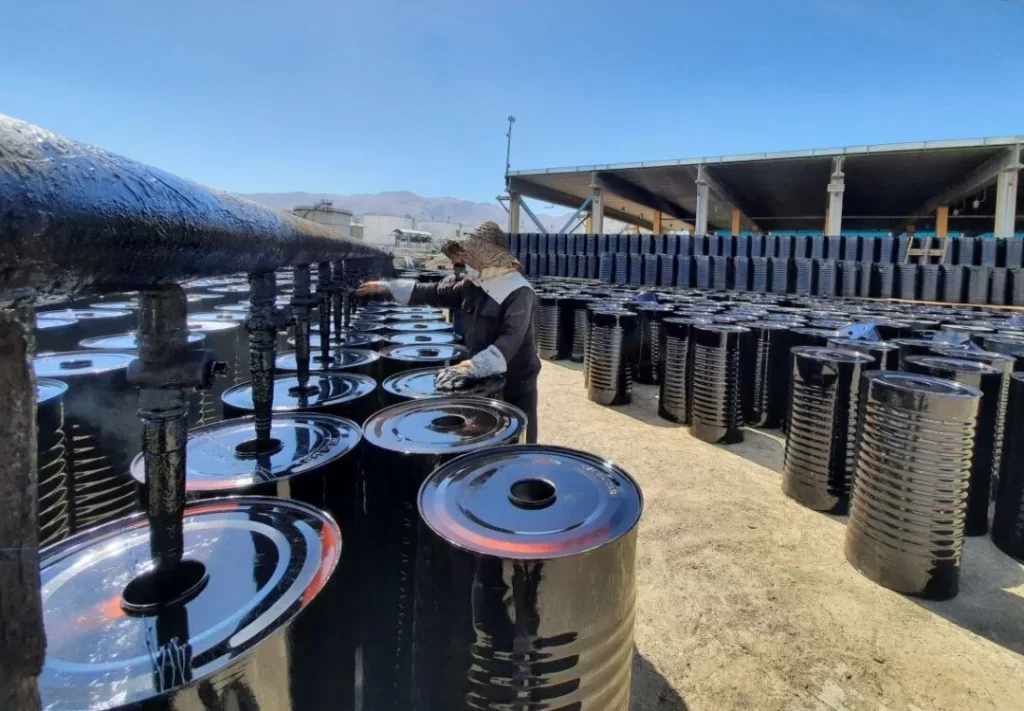
Middle East Market Overview
- In Bahrain, the limited pace for seaborne exports from Sitra port remained unchanged at $400 per ton FOB. Demand for Bahraini seaborne cargoes has gradually increased, but no transactions have been reported.
- In Iran, bulk export prices of Iranian bitumen showed little change, as supply remained tight and some sellers sought higher rates.
- In Iraq, bitumen prices remained mostly stable. Some suppliers refrained from offering to avoid stone attacks earlier in the week on northern Iraq’s oil fields, adopting a wait-and-see approach. These attacks may lead to tighter supply and higher feedstock costs, as up to 200,000 barrels per day of production could be affected.