East Africa Road Projects Increasing Bitumen Demand
East Africa is entering a major infrastructure growth cycle, with governments and private investors accelerating road construction, transport corridors, urban expansion projects, and regional trade connectivity. Countries including Kenya, Tanzania, Uganda, Ethiopia, Rwanda, Djibouti, and South Sudan are increasing investments in highways, bypass roads, industrial corridors, airport access roads, and logistics infrastructure. As a result, demand for bitumen in East Africa is rising steadily, creating new opportunities for bitumen suppliers, exporters, traders, and logistics companies.
For international bitumen suppliers and procurement managers, East Africa has become one of the most important growth markets for CFR bitumen exports. Contractors and infrastructure developers across the region are actively seeking reliable bitumen manufacturers capable of providing stable pricing, on-time delivery, quality assurance, and flexible shipping solutions.

Why East Africa Is Increasing Infrastructure Spending
Several factors are driving road development projects across East Africa:
- Rapid urban population growth
- Expansion of regional trade corridors
- Industrialization initiatives
- Public infrastructure financing
- Mining and energy sector development
- Port and railway connectivity projects
- International funding from development banks
Governments in the region increasingly recognize that transport infrastructure is essential for economic growth, cross-border trade, and foreign investment attraction. Roads remain the backbone of cargo movement in East Africa, particularly in landlocked countries such as Uganda, Rwanda, Burundi, and South Sudan.
This trend is directly increasing the demand for paving-grade bitumen, asphalt products, polymer modified bitumen (PMB), and bitumen emulsions.
Kenya Remains a Major Bitumen Consumer
Kenya continues to lead East Africa’s infrastructure development sector. Projects linked to the LAPSSET Corridor, Nairobi urban expansion, bypass roads, and industrial zone development are increasing asphalt consumption nationwide.
Road rehabilitation projects connecting Mombasa Port to inland trade routes are also contributing to higher bitumen imports. Contractors involved in highway expansion frequently search for:
- Bitumen 60/70 suppliers
- CFR Mombasa bitumen prices
- Bulk bitumen cargo availability
- Reliable drum bitumen exporters
- SGS certified bitumen manufacturers
Kenya’s position as a logistics hub for East Africa means that bitumen imported through Mombasa often serves neighboring countries including Uganda, Rwanda, Burundi, and parts of South Sudan.

Tanzania Infrastructure Expansion Supporting Asphalt Demand
Tanzania is another major growth market for bitumen exporters. Large transportation and logistics projects linked to Dar es Salaam Port, railway modernization, and regional highways are increasing demand for asphalt materials.
The government’s infrastructure strategy focuses heavily on improving regional connectivity with Zambia, Rwanda, Burundi, Uganda, and the Democratic Republic of the Congo. This is increasing demand for:
- Penetration grade bitumen
- Bitumen VG grades
- Bulk asphalt supply
- Bitumen packed in steel drums
- Competitive CFR East Africa prices
Importers in Tanzania increasingly prioritize suppliers capable of maintaining stable shipment schedules and prompt communication, particularly due to fluctuating freight rates and vessel availability.
Ethiopia’s Road Development Increasing Bitumen Imports
Ethiopia remains one of Africa’s largest long-term infrastructure markets despite economic and political challenges in recent years. The country continues investing in highway rehabilitation, industrial corridors, and urban transport systems.
Large road projects around Addis Ababa and regional industrial zones are increasing procurement activity among contractors and traders. Ethiopian buyers often seek suppliers offering:
- Competitive bitumen prices
- Flexible payment terms
- Quality certificates and COA documentation
- Consistent penetration values
- Reliable transit schedules
As domestic refinery capacity remains limited, imported bitumen continues to play a critical role in meeting infrastructure demand.

Uganda and Regional Oil Infrastructure
Uganda’s infrastructure market is increasingly linked to oil and energy development projects. Road construction related to logistics, refinery planning, and pipeline infrastructure is creating additional demand for asphalt products.
The country’s strategic position between Kenya, Rwanda, Tanzania, and South Sudan also increases its importance as a regional transport corridor. This is encouraging investment in road upgrades and transport connectivity.
Contractors and procurement departments increasingly look for:
- Long-term bitumen supply contracts
- CFR East Africa shipment solutions
- Bulk cargo logistics
- PMB for heavy-duty roads
- Technical support and quality testing
Why Bitumen Demand Is Growing Faster Than Local Supply
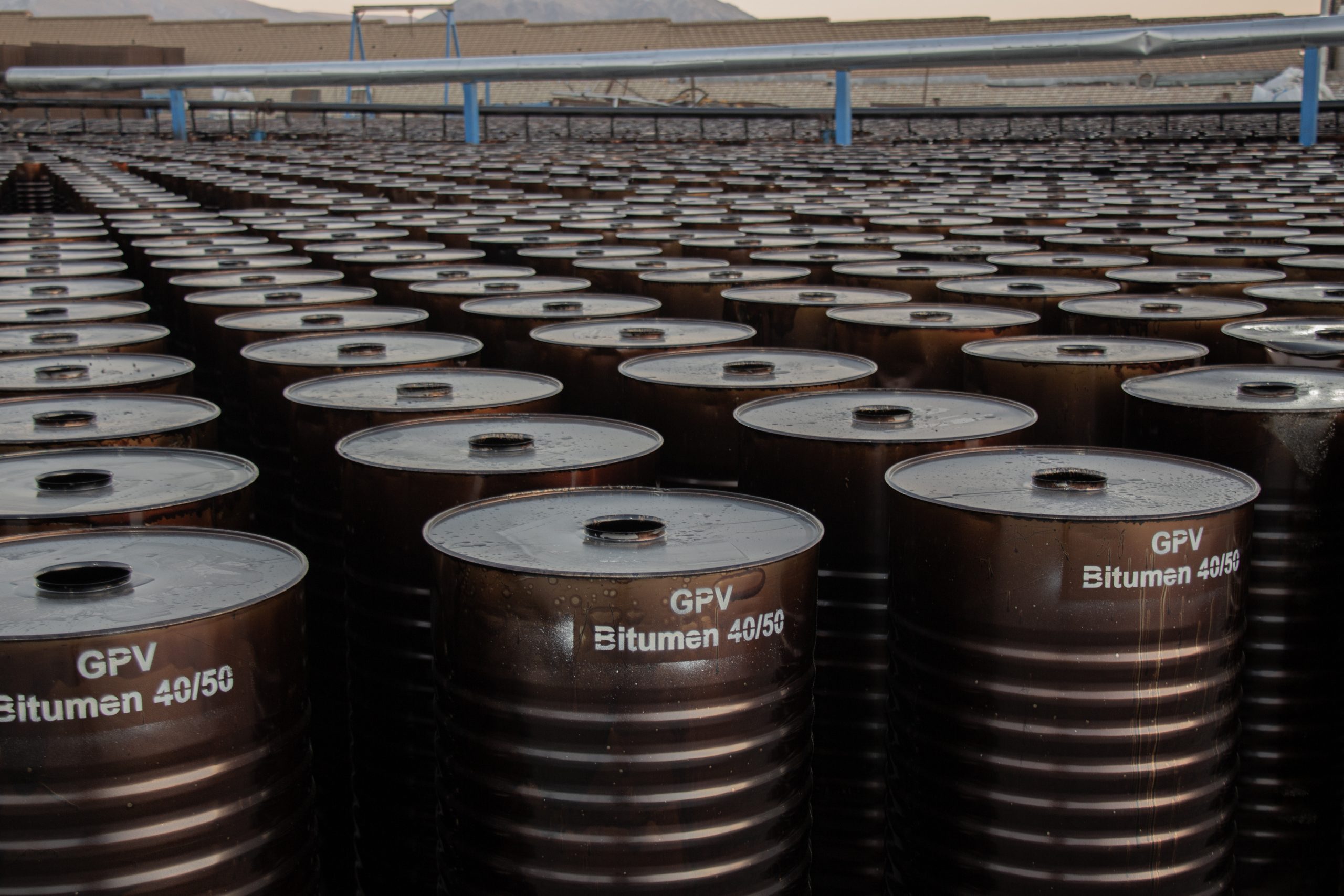
Most East African countries have limited domestic bitumen production capacity. As a result, they rely heavily on imported cargoes from major exporting countries and refinery hubs.
This creates strong opportunities for international bitumen manufacturers and exporters capable of offering:
- Stable production capacity
- Competitive pricing
- Efficient vessel loading
- Flexible packaging options
- Reliable shipping schedules
- International inspection standards
In many East African markets, importers prioritize reliability over extremely low pricing. Delayed cargoes can disrupt large-scale infrastructure projects and create substantial financial losses for contractors.

Bulk Bitumen vs Drum Bitumen in East Africa
Both bulk bitumen and drum-packed bitumen are widely used in East African markets, depending on project scale and local logistics infrastructure.
Bulk Bitumen
Bulk shipments are generally preferred for:
- Large highway projects
- Government infrastructure programs
- Long-term paving contracts
- Buyers with heating and storage facilities
Bulk cargoes usually offer lower unit costs and improved operational efficiency.
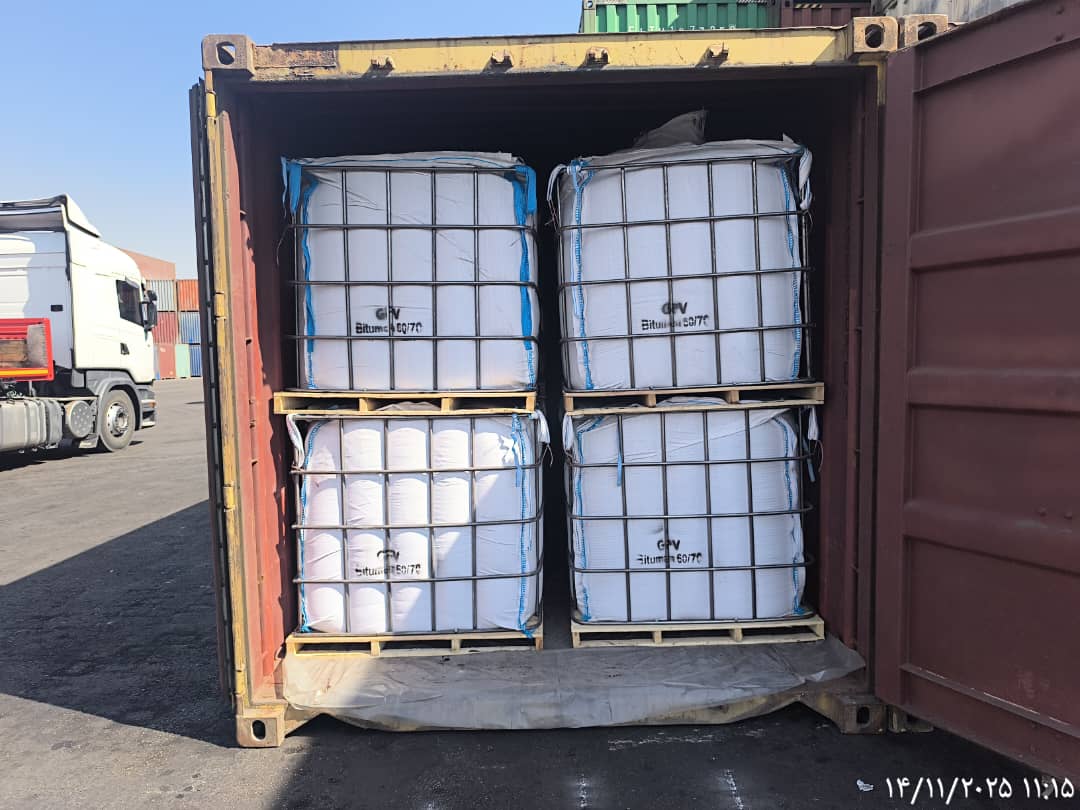
Drum Bitumen
Drummed bitumen remains highly popular in:
- Inland markets
- Remote project locations
- Smaller contractors
- Countries with limited bulk storage infrastructure
Steel drum packaging also simplifies inland transportation to landlocked countries including Rwanda, Burundi, and South Sudan.
Freight Costs and Shipping Challenges
Shipping costs remain one of the most important factors influencing East African bitumen markets. Freight volatility linked to geopolitical risks, vessel shortages, insurance costs, and fuel prices can significantly impact CFR prices.
Buyers increasingly monitor:
- Red Sea shipping conditions
- Freight availability
- Vessel transit times
- Port congestion
- Insurance surcharges
As a result, many procurement managers prefer working with exporters that can provide transparent logistics coordination and regular shipment updates.
Quality Assurance Becoming More Important
East African contractors are becoming more quality-conscious as infrastructure standards improve across the region. Buyers increasingly request:
- SGS inspection reports
- Certificate of Analysis (COA)
- MSDS documentation
- ISO certifications
- Laboratory testing data
- Penetration and softening point analysis
Low-quality bitumen can create severe pavement failures, especially under high traffic loads and extreme weather conditions. Therefore, reliable sourcing has become a key purchasing factor for government-linked projects and international contractors.
East Africa Becoming a Strategic Market for Bitumen Exporters
The long-term outlook for East African bitumen demand remains positive. Continued urbanization, regional trade expansion, industrial development, and international financing are expected to sustain infrastructure spending over the coming years.
Countries such as Kenya, Tanzania, Uganda, Rwanda, and Ethiopia are expected to remain among the region’s largest asphalt consumers. Meanwhile, emerging markets including South Sudan, Burundi, and the Democratic Republic of the Congo may also generate increasing import demand as transport infrastructure improves.
For bitumen suppliers and exporters, this creates significant commercial opportunities in:
- bitumen exports
- CFR East Africa shipments
- Bulk vessel supply
- Drum-packed bitumen exports
- Long-term infrastructure contracts
- Government procurement projects
Choosing the Right Bitumen Supplier for East Africa
Importers and contractors in East Africa increasingly prioritize suppliers that can provide:
- Consistent quality
- Competitive pricing
- Prompt response times
- Reliable shipment schedules
- Technical documentation
- Flexible commercial terms
In today’s market, the cheapest offer is not always the best option. Infrastructure projects require dependable supply chains and strong logistics coordination to avoid delays and financial risks.
Professional exporters with experience in African logistics, vessel operations, and international quality standards are better positioned to support long-term infrastructure growth across East Africa.
Conclusion
East Africa’s road construction boom is significantly increasing regional bitumen demand. Large-scale infrastructure investments across Kenya, Tanzania, Ethiopia, Uganda, Rwanda, and neighboring countries are creating strong opportunities for international bitumen suppliers and exporters.
As governments continue prioritizing highways, logistics corridors, industrial connectivity, and urban development, demand for reliable asphalt supply is expected to remain strong. Buyers are increasingly searching for trusted bitumen manufacturers capable of offering competitive FOB and CFR pricing, certified quality, prompt communication, and on-time delivery.
For global exporters, East Africa is no longer a secondary market. It is becoming one of the most strategic regions for long-term bitumen trade growth.
Gulf Petro Vision: Trusted Bitumen Supply Partner for African Infrastructure Projects
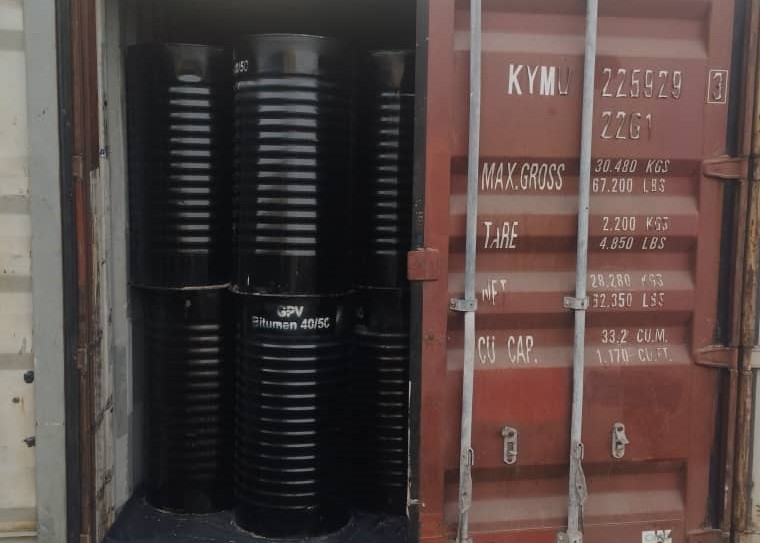
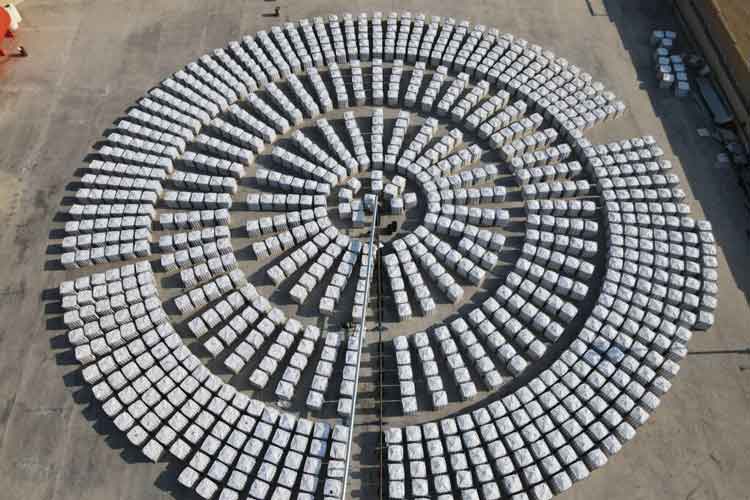
As infrastructure development accelerates across East Africa, reliable supply chains have become increasingly important for contractors, importers, and procurement teams. Gulf Petro Vision has established itself as an experienced and dependable bitumen supplier serving African and East Asian markets with a strong focus on quality, logistics efficiency, and customer support. Established in Oman in 2017, the company specializes in supplying various bitumen grades including Penetration Grade, VG, PMB, Emulsion, and Cutback Bitumen through bulk vessels, drums, jumbo bags, and bitutainers.
With extensive experience in FOB and CFR shipments to African destinations, Gulf Petro Vision supports infrastructure and road construction projects by providing competitive pricing, prompt communication, SGS inspection support, technical documentation, and reliable delivery schedules. The company’s expertise in logistics coordination and international trade enables customers across Kenya, Tanzania, Uganda, Ethiopia, Rwanda, South Africa, and other African markets to secure stable and efficient bitumen supply solutions for large-scale infrastructure projects.
For importers, traders, contractors, and procurement managers seeking a long-term business partner in the bitumen industry, Gulf Petro Vision continues to position itself as a trusted supplier committed to quality, transparency, and on-time execution in global bitumen trade.